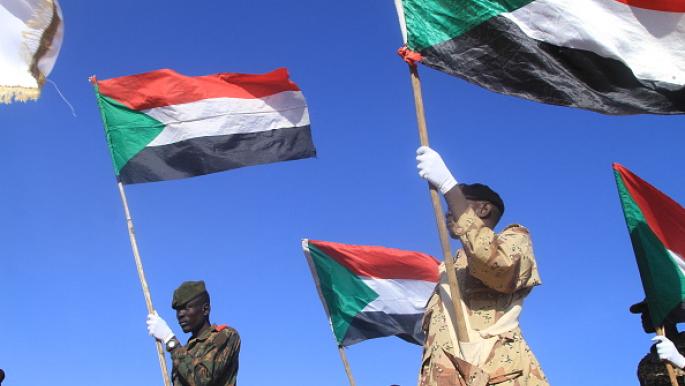
The Sudanese Army has announced comprehensive changes in its leadership, involving a reshaping of the General Staff and the promotion of several officers to higher ranks, while others have been retired. These changes come at a sensitive time for the country, as the Army seeks to enhance its efficiency and effectiveness in facing current challenges.
The new amendments include appointing officers to new leadership positions, reflecting the Army's strategy to modernize its command structure. This step occurs amid the complex political and security conditions facing Sudan, as the Army aims to improve its performance in light of increasing challenges.
Details of the Changes
The amendments announced by the Sudanese Army include changes in senior positions and the General Staff, where several officers have been promoted to higher ranks, demonstrating the Army's policy of enhancing efficiency and professionalism. Additionally, some officers have been retired, which is part of the military leadership renewal process.
This step is part of the Sudanese Army's efforts to strengthen its response to the security and political crises facing the country. The amendments were announced in an official statement, where the Army emphasized the importance of these changes in improving military performance and enhancing stability in the country.
Background & Context
Sudan has been experiencing a prolonged period of political instability, marked by widespread protests against the previous government. These protests led to significant changes in the political landscape, affecting the Army's role in the country. In this context, the new amendments come as part of the Army's efforts to reorganize its ranks and enhance its capabilities.
Historically, the Sudanese Army has played a prominent role in political life, witnessing several military coups. However, the current challenges require the Army to reassess its strategies and priorities, which it seems to be striving to achieve through these amendments.
Impact & Consequences
These amendments are expected to affect the security and political situation in Sudan. Enhancing military efficiency may contribute to improving the Army's response to crises, but at the same time, these changes may raise questions about the stability of military leadership and its ability to handle internal challenges.
Furthermore, these amendments could impact the relationship between the Army and the civilian government, as each party seeks to strengthen its position amid current conditions. The balance between military and civilian authority will be crucial in the upcoming phase, and these amendments may determine how this relationship evolves.
Regional Significance
The military amendments in Sudan are of great importance to the Arab region, reflecting the challenges faced by Arab countries in the realm of security and stability. Changes in military leadership may influence regional relations, especially amidst existing tensions in some neighboring countries.
The stability of Sudan could have positive implications for regional security, as it may contribute to enhancing cooperation among Arab countries in addressing common challenges. In this context, the importance of monitoring developments in Sudan and their impact on the region as a whole becomes evident.
In conclusion, the new amendments in the Sudanese Army represent an important step towards enhancing military efficiency, but they come at a sensitive time that requires all parties to work together to achieve stability and security in the country.