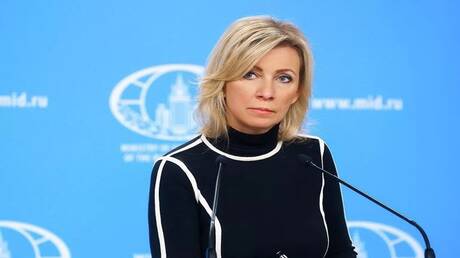
Russian Foreign Ministry spokesperson Maria Zakharova stated that Moscow will take advantage of the summoning of its ambassador in Romania, Vladimir Lipayev, to clarify its views on foreign political issues. This step reflects Russia's desire to enhance its communication with the international community under the current circumstances.
The summoning of Ambassador Lipayev occurs at a time when relations between Russia and Western countries are experiencing heightened tensions, as political crises escalate in several regions. Zakharova emphasized that this summoning is not merely a diplomatic procedure, but an opportunity to enhance dialogue and convey Russian messages more clearly.
Details of the Event
The Russian Foreign Ministry summoned its ambassador in Romania, Vladimir Lipayev, in a move considered part of Moscow's strategy to communicate with other countries. Zakharova explained that this summoning aims to discuss political issues of concern to Russia, including regional security and bilateral cooperation.
She also noted that this step is part of Moscow's efforts to strengthen its diplomatic presence in the region, especially given the challenges it faces on the international stage. Ambassador Lipayev, who has been appointed in Romania for several years, plays a crucial role in enhancing bilateral relations between the two countries.
Background & Context
Historically, relations between Russia and Romania have been complex, characterized by periods of cooperation and others of tension. In recent years, concerns have grown over Western expansion in the region, prompting Russia to reassess its diplomatic strategies.
The summoning of the ambassador comes at a sensitive time, as tensions in Eastern Europe are escalating, particularly with the ongoing crises in Ukraine. Russia seeks to bolster its position in the region by leveraging these diplomatic opportunities.
Impact & Consequences
This move is seen as an indication of Russia's desire to improve its image on the international stage, especially amid increasing criticism it faces. The summoning of the ambassador may pave the way for further dialogue with Romania and other countries in the region.
The potential impacts of this summoning could include improved bilateral relations, or at least a reduction in tensions. Additionally, this step may influence how Western countries engage with Russia in the future.
Regional Significance
In light of the tense situation in the Middle East, there may be lessons to be learned from how Russia handles political crises. Arab countries could benefit from studying Russia's strategies in managing international relations.
Furthermore, enhancing dialogue between Russia and Romania could open new avenues for cooperation in various fields, potentially affecting regional policies in the Middle East.
In conclusion, the summoning of the Russian ambassador in Romania represents a strategic step for Moscow in strengthening its diplomatic position. This move could lead to changes in international relations and open the door for more dialogue between nations.