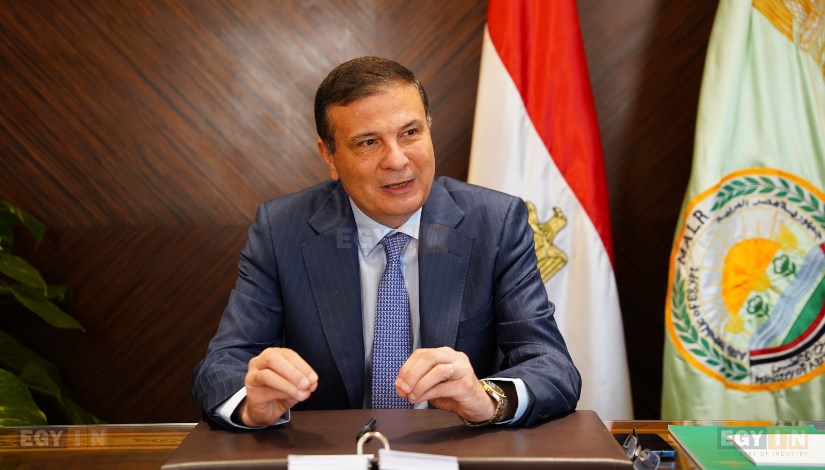
Egypt's Minister of Agriculture and Land Reclamation, Alaa Farouk, announced that the total amount of wheat supplied since the start of the current harvest season has reached approximately 400,000 tons. Farouk confirmed that the ministry aims to achieve 5 million tons during this season, in cooperation with the 'Future of Egypt' authority, the Ministry of Supply, and all relevant entities.
The minister pointed out that the state continues its efforts to enhance the efficiency of the local wheat supply system, providing necessary facilitations to farmers to ensure the achievement of the announced targets. This initiative is part of the government's strategy to ensure food security and boost local production.
Details of the Event
The Egyptian Commodity Exchange is one of the main projects representing a partnership between the 'Future of Egypt' authority and the Ministries of Supply and Agriculture, in addition to the private sector. This exchange aims to achieve price stability in the local market and reduce monopolistic practices, thereby enhancing transparency in commodity trading.
Farouk explained that activating the commodity exchange contributes to regulating markets and achieving stability, which supports the state's efforts to secure citizens' needs for essential goods. This step is crucial in light of the economic challenges facing the country.
Background & Context
These efforts come as part of the Egyptian government's pursuit of self-sufficiency in strategic crops, especially given the challenges related to water scarcity and climate change. The areas designated for rice cultivation have been coordinated with the Ministry of Water Resources and Irrigation, with approximately 1 million acres allocated for agriculture this year.
The minister emphasizes the importance of adhering to the designated areas due to challenges associated with the Grand Ethiopian Renaissance Dam crisis, which directly affects the amount of water available for agriculture. Optimal use of water resources is a top priority to achieve the desired returns from the agricultural land.
Impact & Consequences
These measures underscore the Egyptian government's commitment to achieving food security, particularly amid global crises affecting supply chains. Enhancing local production of wheat and rice is a strategic step to ensure price stability and meet market demands.
Moreover, these efforts reflect the government's ability to face economic challenges, thereby boosting citizens' confidence in the agricultural policies being implemented. The success of these strategies is vital for ensuring the sustainability of food security in the country.
Regional Significance
Egypt's experience in enhancing local wheat production serves as a model for the Arab region, especially given the common challenges many countries face in food security. Strengthening cooperation among Arab nations in this field could contribute to achieving regional food stability.
Egypt's success in achieving its agricultural goals could have a positive impact on neighboring countries, enhancing opportunities for cooperation and economic integration in the region.
In conclusion, the Egyptian government's efforts to boost local production of wheat and rice are an important step towards achieving food security, reflecting the state's commitment to meeting citizens' needs and ensuring market stability.