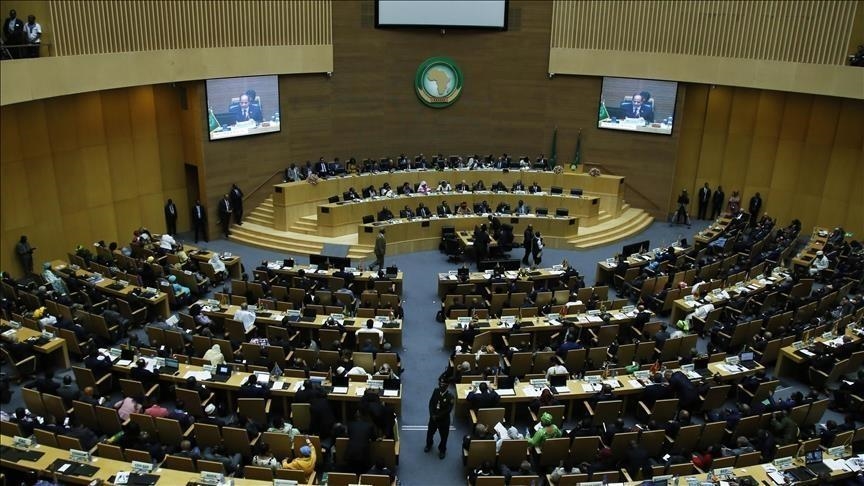
The African bloc has announced its support for the Chinese-Pakistani efforts aimed at achieving peace in the Middle East, asserting that a five-point plan represents an urgent diplomatic pathway amid escalating conflict in the region. This announcement comes at a time when concerns are rising over worsening security and humanitarian conditions, necessitating an immediate response from the international community.
The plan proposed by China and Pakistan seeks to provide practical solutions to the increasing crises in the Middle East, including clear steps aimed at de-escalation and enhancing dialogue among the conflicting parties. This initiative has been welcomed by many member states of the African bloc, which sees it as a timely opportunity to establish peace and stability in the region.
Details of the Initiative
The African plan includes five main points, calling for an immediate ceasefire, facilitating humanitarian assistance, and enhancing dialogue among the concerned parties. Additionally, the plan urges the international community to intensify diplomatic efforts to ensure tangible results. The African bloc has confirmed that this initiative comes at a critical time, as tensions escalate in multiple areas of the Middle East, requiring swift and effective action.
This step is part of the ongoing efforts by the African bloc to promote peace and security on the continent, as it seeks to play an active role in international issues. Member states of the bloc have expressed their readiness to support this initiative by providing necessary assistance and pressuring the involved parties to come to the negotiation table.
Background & Context
Historically, the Middle East has witnessed numerous armed conflicts and political struggles that have exacerbated humanitarian crises. For decades, there have been multiple attempts to achieve peace, yet tensions always seem to resurface. In recent years, crises in the region have noticeably escalated, making the need for diplomatic solutions more urgent.
In this context, the Chinese-Pakistani initiative comes as part of a broader strategy aimed at enhancing international cooperation in addressing global challenges. China has shown increasing interest in Middle Eastern issues, seeking to bolster its influence in the region by offering peaceful solutions to existing crises.
Impact & Consequences
If the proposed peace plan is implemented, it could lead to a reduction in tensions in the Middle East, contributing to improved humanitarian conditions in many conflict-affected countries. This initiative could also enhance the role of the African bloc on the international stage, contributing to its position as an effective mediator in global issues.
Moreover, the success of this initiative could open avenues for further cooperation between African and Asian countries, enhancing development and stability opportunities in both regions. Conversely, the failure of these efforts could exacerbate existing crises, negatively impacting regional and international security.
Regional Significance
Arab countries are a crucial part of the Middle Eastern equation, directly affected by political and security developments in the region. The success of the Chinese-Pakistani initiative could help alleviate conflicts in Arab nations, providing an opportunity for greater stability in the area.
This initiative may also pave the way for Arab countries to collaborate with the African bloc and Asian countries in various fields, such as economics and security, enhancing the chances of achieving sustainable development. Ultimately, hope remains that these efforts will yield positive results benefiting all parties involved.