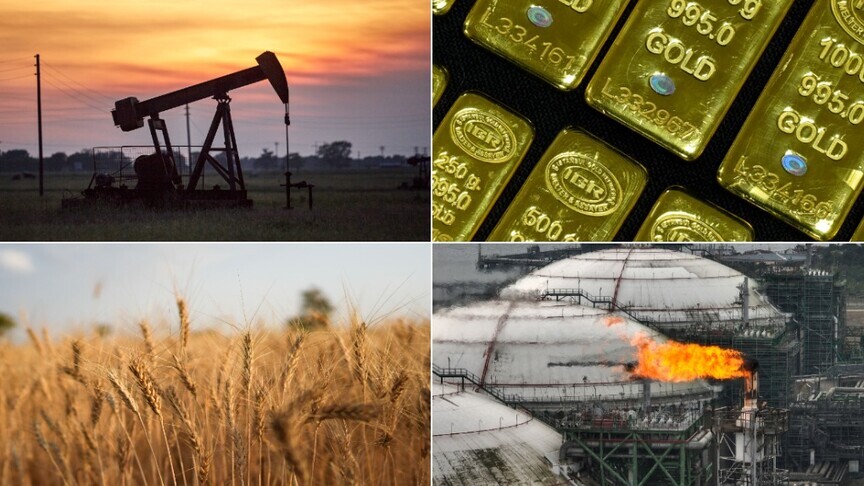
Global commodity markets experienced a significant rise in energy and aluminum prices in the first quarter of this year, driven by supply disruptions linked to the Strait of Hormuz. These disturbances occur during a sensitive time marked by considerable market volatility, raising concerns among investors and analysts about the future of prices.
Energy prices are particularly affected by geopolitical tensions in the region, as the Strait of Hormuz is a vital point for transporting oil and natural gas. Any disruptions in this waterway can lead to substantial price increases, which has indeed occurred over the past few months.
Details of the Event
Recently, oil prices recorded unprecedented increases, surging by as much as 10% on certain days, reflecting fears of supply shortages. Aluminum prices also saw a notable rise, climbing by 15% due to production cuts in some producing countries.
Reports indicate that this price increase is not solely a result of local factors but is also influenced by the growing global demand for energy and metals. In the wake of economic recovery following the COVID-19 pandemic, demand for these commodities is rising, putting additional pressure on markets.
Background & Context
Historically, the Strait of Hormuz is considered one of the most important waterways in the world, through which approximately 20% of the world's total oil passes. Any tension in this area can significantly impact global markets. Over the years, we have witnessed numerous crises affecting oil supplies, leading to sharp price fluctuations.
In recent years, tensions in the region have escalated due to political and military conflicts, making investors more cautious. This historical backdrop underscores the importance of monitoring ongoing events in the region and their impact on global markets.
Impact & Consequences
The increase in energy and aluminum prices affects various economic sectors. For instance, rising energy costs can lead to higher consumer goods prices, impacting consumers' purchasing power. Additionally, higher aluminum prices may affect the construction industry, as many projects rely on this metal.
Moreover, this price increase could lead to inflationary pressures in many countries, presenting central banks with new challenges in managing monetary policies. Under these circumstances, we may see movements from governments and central banks to address these challenges.
Regional Significance
For the Arab region, rising energy prices can have varied effects. Oil-producing countries like Saudi Arabia and Iraq may benefit from higher prices, boosting their revenues. Conversely, energy-importing countries may face economic challenges due to increased energy costs.
Arab nations must be prepared to navigate these fluctuations in global markets by diversifying their economies and reducing reliance on oil as a primary source of revenue. Additionally, regional cooperation in the energy sector could help address future challenges.