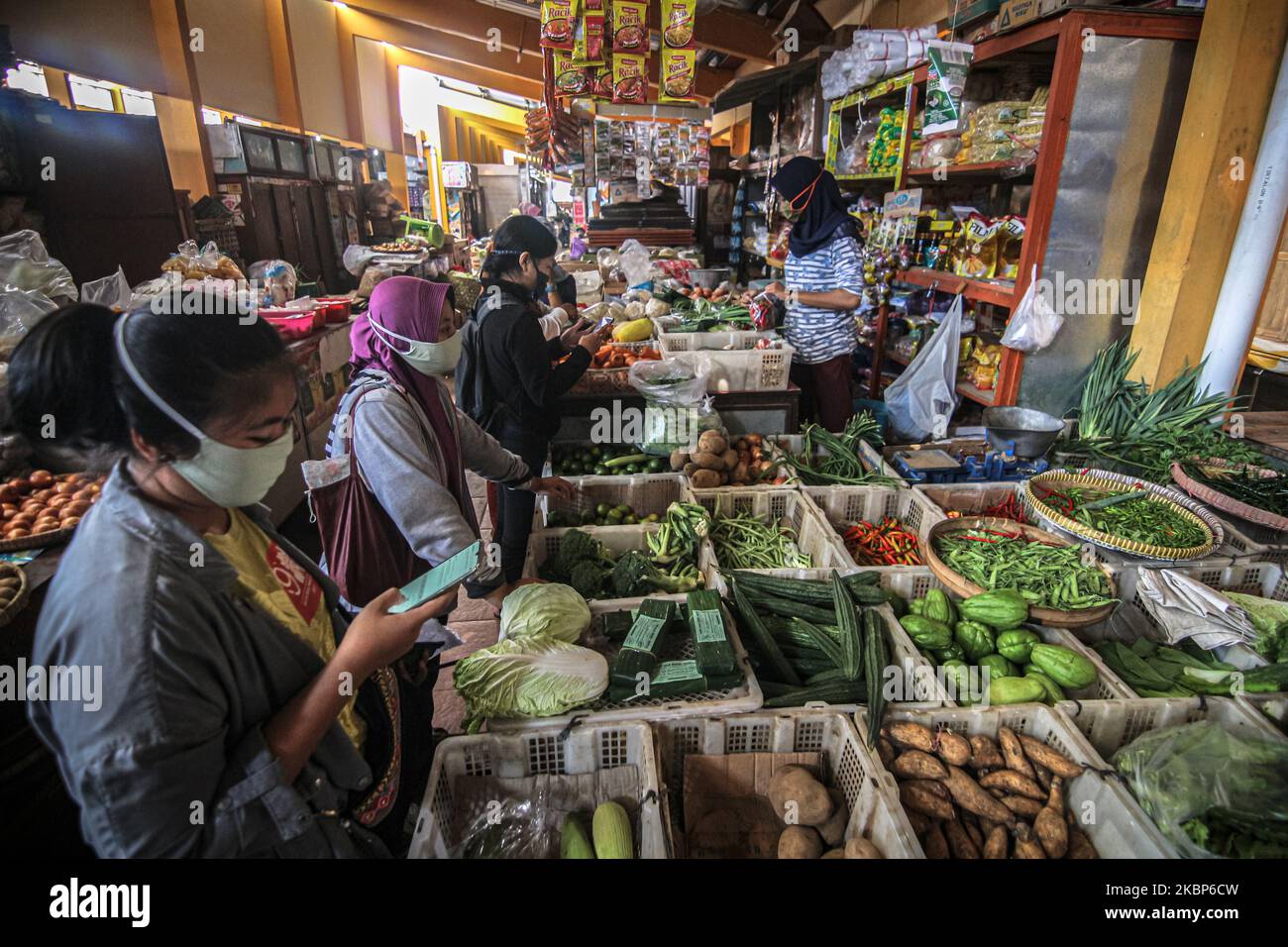
Indonesian markets are experiencing notable activity in lemon sales with the approach of Eid al-Fitr, as the demand for this traditional product rises during the occasion. Sellers have reported that this influx has contributed to improving their economic conditions, reflecting the importance of this product in Indonesian culture.
Lemons are considered a staple food used in preparing many traditional dishes during Eid al-Fitr, which further increases the demand. As the holiday nears, people rush to buy lemons to prepare the delicious dishes served on this occasion.
Event Details
Reports indicate that markets in various Indonesian cities have seen significant crowds, with buyers flocking to purchase lemons and other holiday-related products. Sellers have confirmed that prices have risen slightly due to the increased demand, but they view this price hike as acceptable given the boost in sales.
Some sellers have noted that they have expanded their lemon stock to meet the rising demand, expecting this trend to continue until the final days before the holiday. Lemons are an integral part of holiday preparations, as they are used in making juices and desserts.
Background & Context
Eid al-Fitr is one of the most important religious occasions in Indonesia, where Muslims celebrate the end of the holy month of Ramadan. This holiday is characterized by its unique traditions, including the preparation of traditional foods that feature lemons as a key ingredient. Historically, lemons are seen as a symbol of hospitality in Indonesian culture, often used in serving dishes to guests.
The lemon markets in Indonesia are influenced by various factors, including climate and seasonal demand. As the holiday approaches, the demand for lemons rises significantly, impacting prices and enhancing commercial activity in the markets.
Impact & Consequences
This significant demand for lemons demonstrates how cultural and religious events can impact the local economy. The increase in demand for food products during holidays boosts sellers' incomes and contributes to improving living standards. Additionally, this commercial activity strengthens social bonds among people, as individuals gather around food tables during these occasions.
Moreover, this trend is seen as an indicator of the local economy's recovery after the challenges faced by the country in recent years, including the impact of the COVID-19 pandemic. Many hope that this positive dynamic will continue in the future.
Regional Significance
Although Indonesia is far from the Arab world, there are similarities in some customs and traditions associated with holidays. Just as Arabs celebrate Eid al-Fitr by serving traditional dishes, Indonesians share the same spirit by preparing foods that include lemons.
This cultural interaction could enhance trade exchanges between Arab countries and Indonesia, where food products like lemons could find a market in Arab nations, contributing to strengthening economic and cultural relations.
As Eid al-Fitr approaches, the significant demand for lemons in Indonesia illustrates how cultural traditions can influence the local economy. Sellers hope this trend will continue in the coming years, enhancing their financial stability and strengthening social ties within the community.