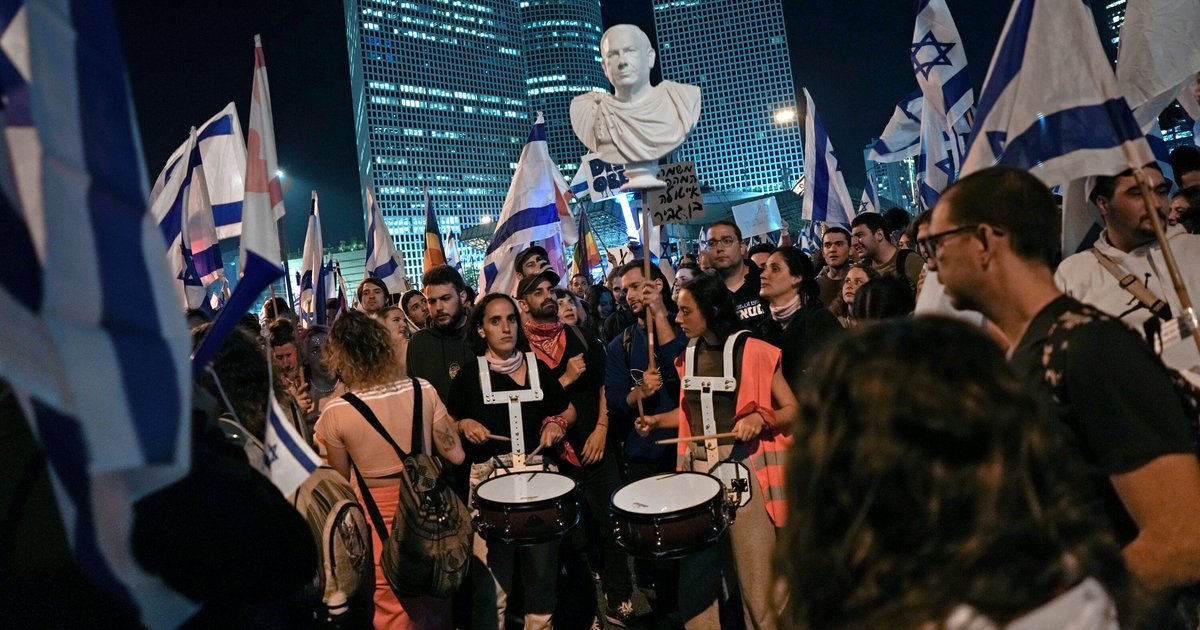
A recent survey has highlighted a clear gap between Israeli support for the war in Gaza and declining trust in Prime Minister Benjamin Netanyahu. Many citizens express dissatisfaction with the government's performance despite backing military operations.
The survey, conducted by an Israeli research institution, revealed that 60% of participants support the continuation of military operations against Hamas, while trust in Netanyahu has plummeted to just 35%. These figures reflect a state of tension and anxiety within Israeli society, as pressure mounts on the government to deliver tangible results in the war.
Details of the Event
The study indicated that support for the war comes in the context of escalating rocket attacks from Gaza, with military operations seen as part of the Israeli government's strategy to confront security threats. However, the decline in trust in Netanyahu suggests citizens are dissatisfied with how the crisis is being managed, particularly in light of the human and material losses sustained by the country.
Criticism directed at Netanyahu from the opposition is increasing, accusing him of failing to achieve the declared objectives of the war. There are also growing calls from some political and social circles for changes in political leadership, reflecting a general sense of discontent.
Background & Context
These results come at a sensitive time for Israel, as the country has been experiencing an escalation in the conflict with Hamas for several weeks. Military operations have resulted in the deaths of many civilians, sparking widespread international criticism. In this context, many are questioning the efficacy of continuing the war amid rising internal and external pressures.
Since taking office, Netanyahu has faced numerous challenges, including economic and political crises. With the situation in Gaza escalating, it has become evident that his political standing could be significantly affected if public dissatisfaction continues.
Impact & Consequences
The decline in trust in Netanyahu could lead to serious political ramifications, potentially paving the way for new coalitions or even early elections. Additionally, continuing the war without achieving tangible results may exacerbate public discontent, threatening the stability of the current government.
On the international front, these developments could impact Israel's relations with Western countries, which are closely monitoring the conflict's developments. Increased criticism may lead to greater pressure on the Israeli government to alter its strategy in dealing with Hamas.
Regional Significance
The ongoing events in Gaza are pivotal for the Arab region, evoking feelings of solidarity with the Palestinians. The decline in Israeli trust in their government may also reflect a decrease in Arab support for Israel, which could affect future peace efforts.
At the same time, the continuation of the conflict could escalate tensions in the region, threatening stability in neighboring countries such as Lebanon and Syria. These dynamics may influence relations between Arab states and Israel, especially amid current political developments.
In conclusion, the gap between support for the war and declining trust in Netanyahu reflects a state of political and social instability in Israel, necessitating a reassessment of government strategies in addressing internal and external crises.