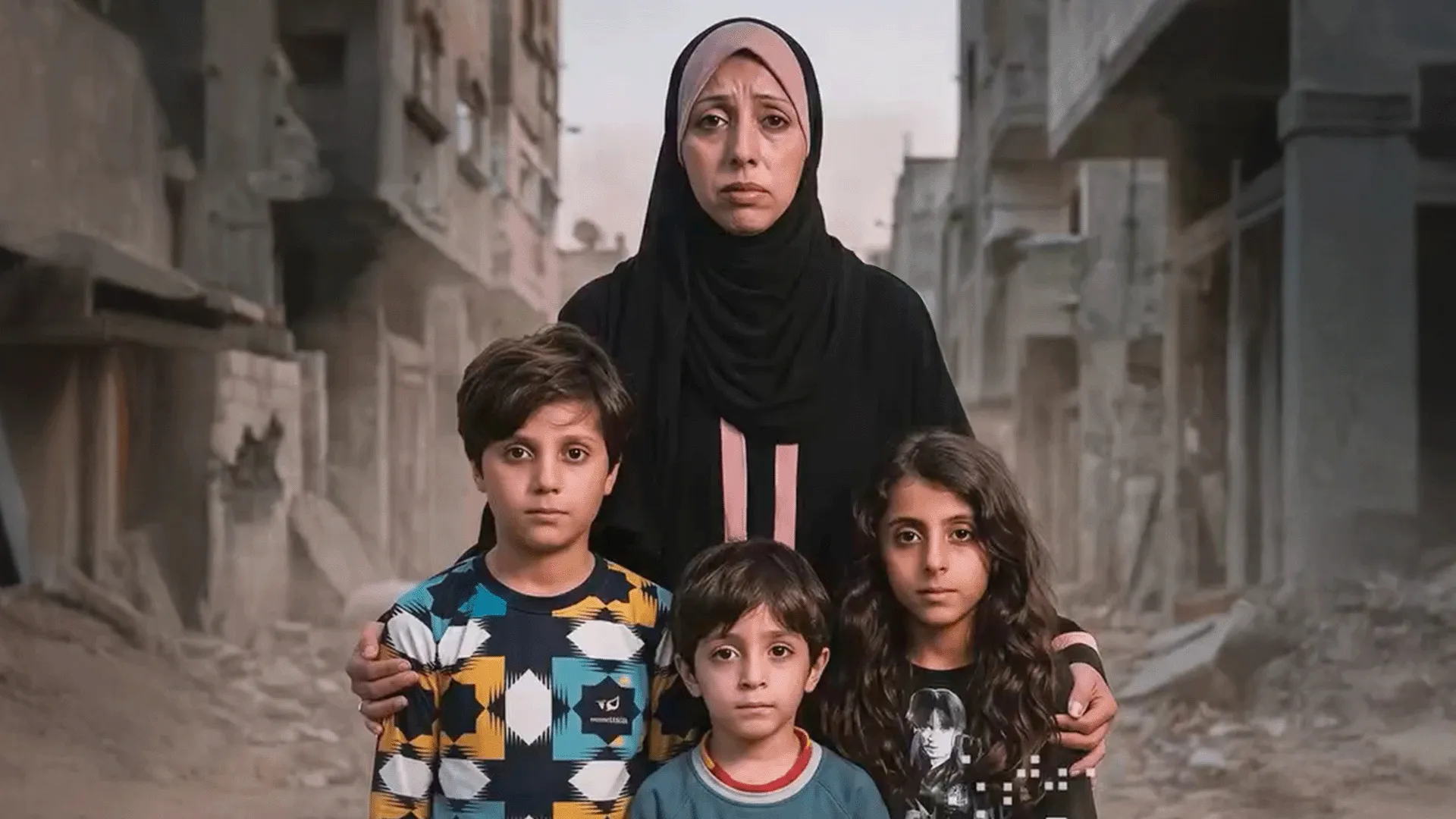
The Sheikh family’s children survived the Israeli genocide in the Gaza Strip, but they found themselves in a new tragedy after being kidnapped by a French welfare organization. The children, Rabhi (11 years old), Noor (10 years old), and Hossam (8 years old), arrived in France with their father and grandfather, while their mother, Raghad Sheikh, was left in distress after losing contact with them.
Despite Raghad escaping death, she has been unable to communicate with her children for a whole year. She believes that the organization holding them is brainwashing them and altering their values, convincing them that their Palestinian identity is the source of their problems.
Details of the Incident
The tragedy began when the family met women working for the organization “Palestine Unites Us,” who claimed to be Palestinians and shared details of their lives with the family. After a period of acquaintance, the organization kidnapped the children under the pretext of their father’s alleged mistreatment, despite the absence of any evidence to support such claims.
When the children’s father sought legal recourse, the French court ruled to keep the children in the organization for a year and prohibited any communication with their father. This decision exacerbated the family’s suffering, as they could no longer contact the children or receive any updates about them.
Context and Background
This incident occurs against the backdrop of the difficult circumstances faced by Palestinians abroad, where they encounter discrimination and racism in many countries. Raghad Sheikh, who holds memories of her children, sees that while the family succeeded in fleeing war, they failed to save them from the racism that haunts them in the international community.
Raghad considers her children to be kidnapped by the French authorities, who prefer to separate the family rather than work towards reuniting them. This situation highlights the challenges faced by Palestinian refugees in Western countries.
Impact and Consequences
This case underscores the importance of supporting Palestinian families abroad, who are subjected to discrimination and persecution. It also highlights the need for intervention from human rights organizations to protect the rights of children and refugees.
The Palestinian authorities, which have failed to provide legal support to the family, face severe criticism from Raghad, who demands urgent action to retrieve her children. This situation reflects the challenges faced by Palestinian families in the diaspora.
Significance for the Arab Region
This case exemplifies the suffering of Palestinians in the diaspora, where they face discrimination in the countries they seek refuge in. The inability of families to reunite reflects a painful reality experienced by many.
In conclusion, Raghad Sheikh calls upon every person of conscience to return her children to her or to reunite her with them, emphasizing the necessity of working towards the reunification of Palestinian families.