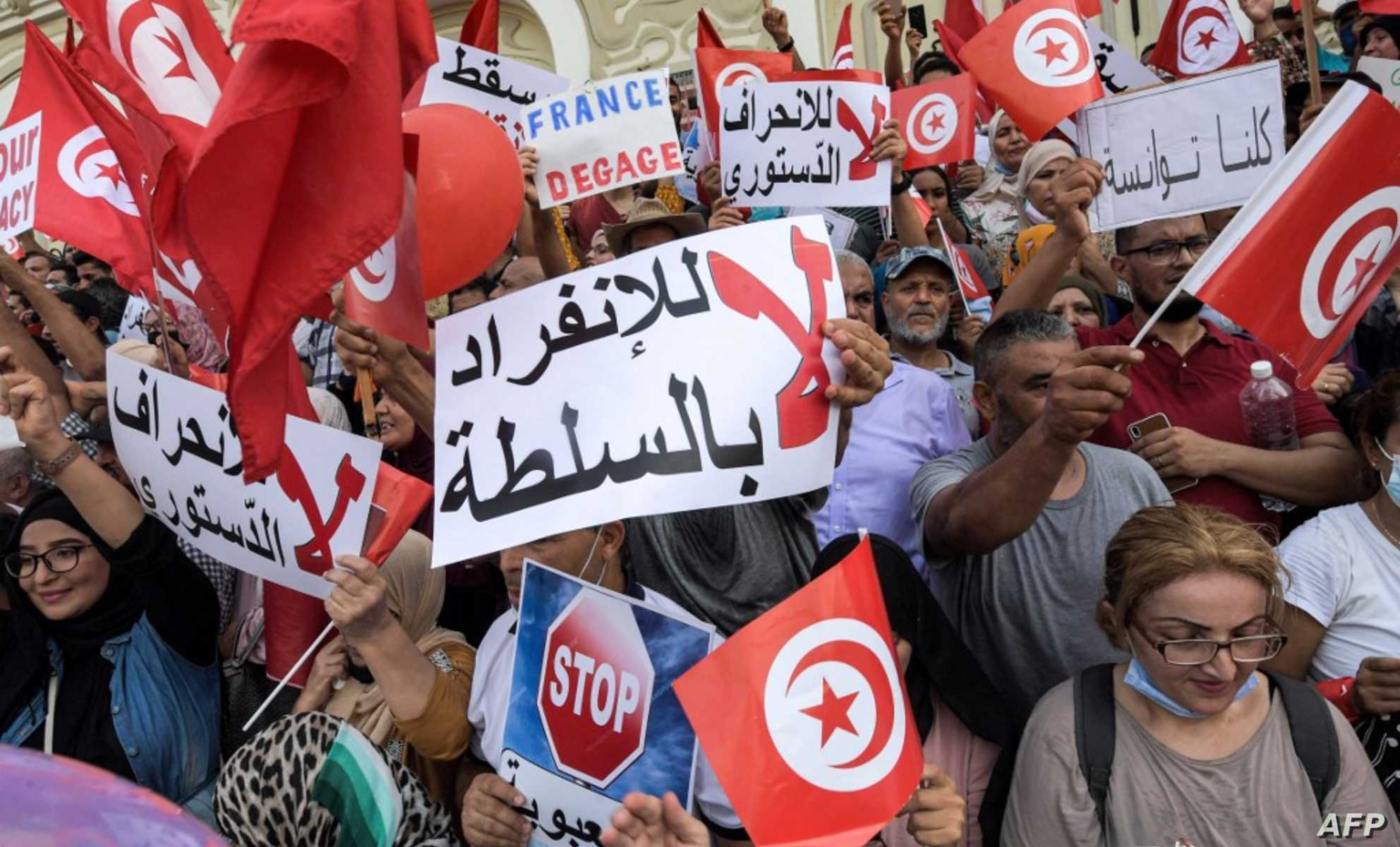
The Tunisian authorities have announced the suspension of the Tunisian Human Rights League, raising concerns about the future of public freedoms in the country. This decision comes at a time when pressures on civil society organizations are increasing, reflecting a growing trend towards the contraction of civil space.
The Tunisian Human Rights League is one of the oldest human rights organizations in the country and has played a significant role in defending individual rights and promoting democratic values. However, the decision to suspend its activities reflects the significant challenges faced by human rights organizations in Tunisia.
Details of the Suspension
In an official statement, the Tunisian authorities confirmed that the suspension of the League's activities was due to non-compliance with certain local laws. This decision has sparked angry reactions from human rights activists, who view this measure as another step towards restricting fundamental freedoms.
It is noteworthy that the Tunisian authorities have taken several similar actions recently, including closing the offices of non-governmental organizations and arresting activists. These policies reflect an environment hostile to civil rights, raising concerns about the future of democracy in Tunisia.
Background & Context
The Tunisian Human Rights League was founded in 1977 and has played a pivotal role in the struggle for human rights during periods of political repression. Following the Tunisian revolution in 2011, the country experienced a relative easing of freedoms, but the situation has begun to deteriorate again in recent years.
These developments coincide with rising political and economic pressures in Tunisia, where the country faces significant challenges including high unemployment rates and deteriorating economic conditions. These circumstances may exacerbate social and political crises, increasing the need for human rights organizations.
Impact & Consequences
The suspension of the Tunisian Human Rights League could have far-reaching implications for civil society in Tunisia. This action may lead to a decline in trust in government institutions and increase discontent among citizens.
Additionally, this decision could affect Tunisia's international relations, as international organizations monitor human rights in the country. This could result in diplomatic pressures on the Tunisian government from Western countries that support human rights.
Regional Significance
Tunisia has been seen as a model in the Arab region following the revolution, but the decline in freedoms could impact other countries seeking to promote democracy. Any regression in Tunisia may encourage authoritarian regimes in the region to take similar actions against civil society organizations.
In light of these circumstances, the international community must make greater efforts to support human rights in Tunisia, as the stability of the country is closely linked to the level of freedoms available to its citizens.
The suspension of the Tunisian Human Rights League represents a significant milestone in the trajectory of human rights in Tunisia. The current situation requires concerted efforts from all stakeholders to preserve democratic gains and ensure individual rights.