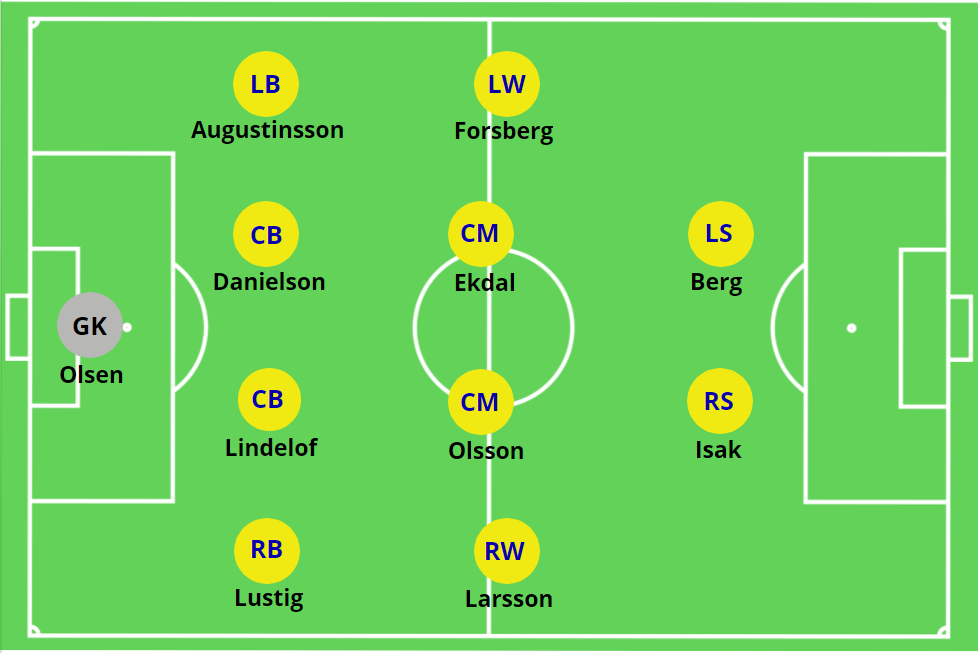
Sweden has achieved a historic milestone by qualifying for the 2026 World Cup after a thrilling victory over Poland in the playoff final, with the match ending 3-2 in favor of Sweden. This win comes after a difficult period for the team during the qualifiers, where they finished last in their group without any wins.
Player Victor Gyökeres scored the qualifying goal in the 88th minute, bringing Sweden back to the global stage after missing the last World Cup in Qatar. Despite a disappointing performance in the qualifiers, Sweden managed to seize the opportunity to qualify through the playoffs, marking a significant achievement for the team.
Event Details
During the qualifiers, Sweden only managed to secure two points from six matches in Group B, in addition to a friendly loss to Luxembourg. In contrast, Italy, which hoped to reach the World Cup, was eliminated after losing to Bosnia in the playoffs.
After the dismissal of coach Janne Andersson last October, Graham Potter took over the responsibility, restoring hope to Swedish fans. Potter demonstrated his ability to regain the team's balance, leading them to a thrilling semifinal victory over Ukraine 3-1, showcasing a significant psychological turnaround in the players' performance.
Background & Context
Historically, Sweden has been one of the major forces in football, having reached the World Cup finals several times. However, their absence from the last edition in Qatar was a shock to fans of the game. This return to the World Cup represents an opportunity for Sweden to correct its course and reclaim its status on the international stage.
It is noteworthy that coach Graham Potter previously led Östersund to success in the Europa League, reflecting his experience and ability to handle pressure. During his first press conference after taking over, Potter demonstrated familiarity with the Swedish language, which helped him gain the trust of the fans.
Impact & Consequences
Sweden's qualification for the World Cup is seen as a victory for collective spirit and the strong leadership exhibited by coach Potter. The team has returned to a competitive atmosphere after a period of failures, reflecting the importance of leadership change and its impact on overall performance.
This qualification may open doors for Sweden to achieve new accomplishments in the future, enhancing its position in both European and international arenas. Additionally, success in the playoffs may encourage Swedish clubs to invest in developing young players, contributing to the overall enhancement of Swedish football.
Regional Significance
Football is one of the most popular sports in the Arab world, with millions of fans following international tournaments. Sweden's qualification may have a positive impact on Arab audiences, potentially encouraging Arab teams to improve their performance in upcoming qualifiers.
Moreover, Sweden's success may highlight the importance of developing sports infrastructure in Arab countries, which contributes to enhancing the level of the game in the region. By learning from successful experiences like that of Sweden, Arab nations can strive to achieve similar accomplishments in the future.