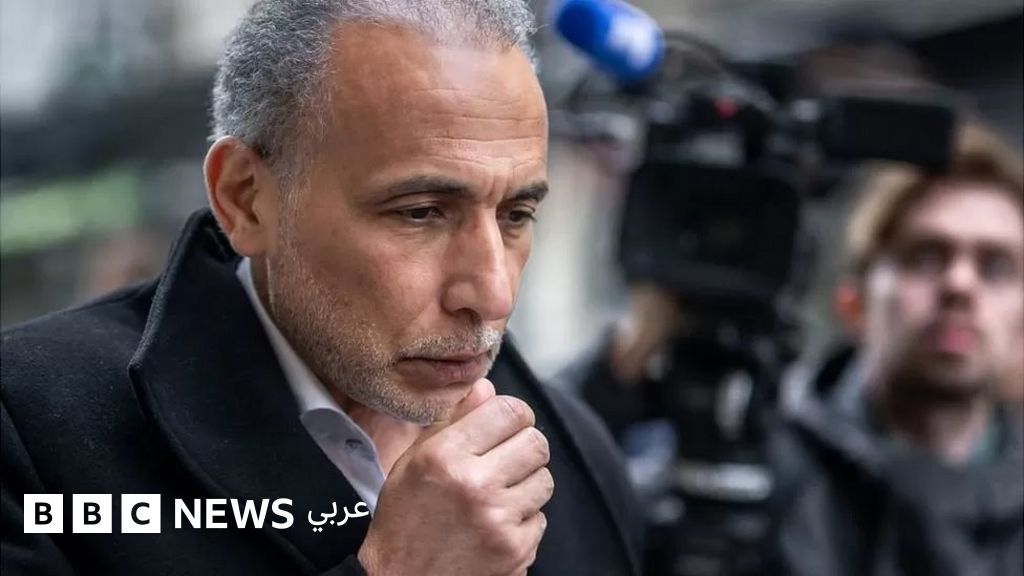
A Swiss court has sentenced Islamic thinker Tariq Ramadan to 18 years in absentia after he was convicted of charges related to rape and assault against vulnerable individuals. This case, which has sparked widespread controversy in cultural and religious circles, comes at a sensitive time as Ramadan faces multiple allegations that have emerged over several years.
The ruling also includes the imposition of eight years of judicial monitoring, during which Ramadan is prohibited from communicating with or approaching the victims. This step reflects the court's seriousness in addressing such crimes and underscores the importance of protecting the rights of victims.
Details of the Case
Tariq Ramadan, considered one of the most prominent Islamic thinkers in the world, was absent from the trial session in which he was convicted, raising questions about his motives and decisions. Evidence and testimonies supporting the allegations against him were presented, leading to the issuance of the in absentia ruling.
The charges against Ramadan relate to incidents that occurred between 2012 and 2014, during which several women accused him of sexual assault and rape. Ramadan has categorically denied these allegations, complicating the legal proceedings surrounding the case.
Background & Context
Tariq Ramadan is the grandson of the founder of the Muslim Brotherhood and is known for his controversial ideas about Islam and the Western world. Since 2017, Ramadan has faced a series of sexual assault allegations, significantly impacting his reputation and academic work. This case is not the first of its kind; recent years have seen an increase in sexual assault cases worldwide, reflecting a shift in how societies address these crimes.
This case coincides with the global #MeToo movement, which has raised awareness about sexual assault issues and led to accountability for many celebrities and public figures. In this context, Ramadan's case exemplifies how this movement influences Islamic and Arab societies.
Impact & Consequences
The sentencing of Tariq Ramadan could have significant repercussions for the Islamic community, potentially sparking discussions about the role of Islamic thinkers in society and how to address sexual assault issues. This ruling may empower victims in similar cases, encouraging more women to speak out about their experiences.
Furthermore, this ruling may affect the reputation of Islamic institutions in Europe, leading to increased skepticism about their ability to effectively handle sexual assault issues. Additionally, this ruling could ignite debates about freedom of expression and the rights of thinkers in Western societies.
Regional Significance
The case of Tariq Ramadan holds particular importance for the Arab region, reflecting the challenges faced by Islamic communities in dealing with sexual assault issues. While many Arab countries strive to enhance women's rights, sexual assault cases remain a sensitive topic that requires comprehensive handling.
This case could bolster efforts to protect women's rights in the Arab world, serving as a model for how to address such crimes. It may also contribute to raising awareness about the importance of supporting victims and providing them with legal protection.
In conclusion, the ruling against Tariq Ramadan represents a turning point in how sexual assault cases are handled in Islamic communities, reflecting the cultural and social changes occurring in the world. It is crucial that discussions around these issues continue to ensure the protection of victims' rights and the promotion of justice.