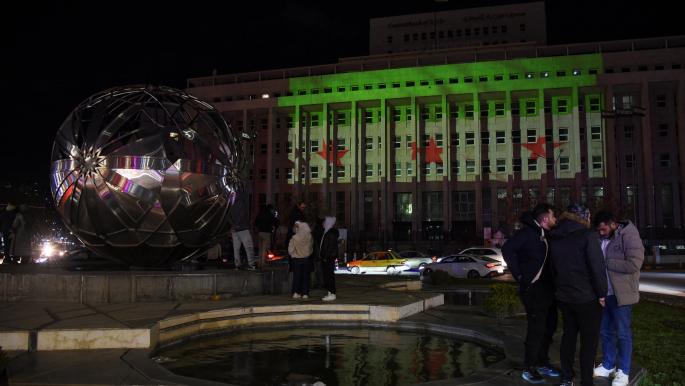
Syria's 2026 budget seeks to create a new model for the state, where evaluation extends beyond mere size to the quality of objectives it aims to achieve. As economic and social challenges intensify, the importance of defining the government's vision in this budget becomes paramount.
The 2026 budget is considered the largest in modern Syrian history, but the more pressing question is: what aspirations and hopes does this budget reflect for the Syrian people? While some hope this budget will be a step towards economic recovery, others view it as mere numbers on paper with no real impact on living conditions.
Details of the Budget
The 2026 budget includes a significant increase in public spending, reflecting the government's desire to bolster vital sectors such as health and education. However, this approach raises questions about how to finance this increase in spending, especially amidst ongoing economic crises.
On the other hand, reports indicate that the expected accounting surplus could be a double-edged sword, serving as a tool to enhance financial stability but also potentially exacerbating crises if resources are not directed appropriately.
Background & Context
Historically, Syria has faced successive economic crises due to the ongoing conflict and imposed sanctions. These crises have led to a significant decline in living standards, making it essential for the 2026 budget to reflect an effective response to these challenges.
In recent years, the Syrian government has attempted to implement economic reforms, but it has faced significant difficulties in achieving tangible results. Therefore, the 2026 budget represents a new opportunity to rebuild trust between the government and citizens.
Impact & Consequences
If the government succeeds in achieving the objectives of the 2026 budget, it could lead to improved living conditions for citizens and increased investments in vital sectors. However, if the government fails to manage this budget effectively, economic and social crises may worsen, increasing frustration among citizens.
The next phase requires the Syrian government to make decisive decisions regarding resource allocation and ensure transparency in spending, which will have a direct impact on the country's future.
Regional Significance
The 2026 Syrian budget is part of a broader landscape in the Arab region, where many countries face similar economic challenges. Syria's success in achieving economic recovery could serve as a model for other nations suffering from crises.
Moreover, economic stability in Syria could contribute to enhancing regional security, benefiting neighboring countries and fostering economic cooperation among Arab states.
In conclusion, the 2026 Syrian budget represents a true test of the government's will to achieve economic recovery. The government must adopt a clear and comprehensive vision that ensures the achievement of desired goals and meets citizens' needs.