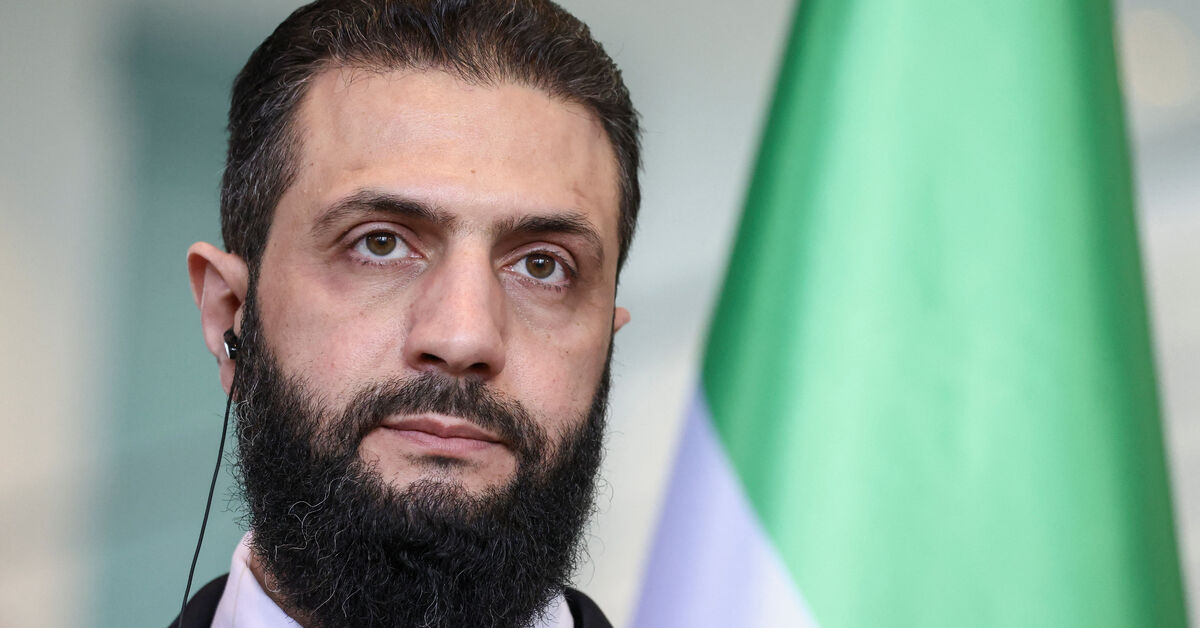
Syrian President Ahmad al-Shahrour recently stated that Syria will remain distant from the ongoing conflict between the United States and Israel on one side and Iran on the other, unless the country is subjected to any form of aggression. This declaration was made during an event organized by the Chatham House in London, where al-Shahrour emphasized that his country does not wish to become a battleground, but the current circumstances do not bode well.
Al-Shahrour pointed out that "Syria will not intervene in any conflict unless it is targeted by any party," adding that "the situation today is characterized by fragility and randomness, where wisdom does not prevail in managing affairs." This statement reflects the growing concerns in the region regarding escalating tensions between major powers.
Event Details
During his talk, President al-Shahrour addressed the challenges facing Syria amid the tense regional conditions. He affirmed that his country seeks to maintain its sovereignty and stability, noting that any escalation could negatively impact the internal situation in Syria, which has been suffering from the effects of ongoing conflict for over a decade.
He also highlighted the importance of diplomatic solutions, clarifying that Syria prefers dialogue and negotiation as a means to resolve disputes, rather than slipping into new armed conflicts. These remarks come at a sensitive time as pressure on Iran from the United States and its allies in the region is increasing.
Background & Context
Historically, Syria has been a center for regional and international conflicts, playing a pivotal role in many disputes in the Middle East. Since the onset of the Syrian crisis in 2011, the country has been significantly affected by external interventions, exacerbating the humanitarian and political situations.
In recent years, Syrian-Iranian relations have seen a notable rapprochement, with Iran considered a key ally for Syria in facing regional challenges. However, the recent statements by President al-Shahrour indicate Syria's desire to maintain its independence and avoid being dragged into new conflicts that could affect its internal stability.
Impact & Consequences
President al-Shahrour's statements are significant in the context of the increasing tensions between Iran and the United States, as any escalation in the region could have serious repercussions for regional security. If Syria were to face aggression, it might find itself compelled to enter a new conflict, further worsening the humanitarian and political conditions in the country.
Moreover, Syria's non-intervention in the conflict could contribute to maintaining some stability in the region, especially amid the multiple crises facing neighboring countries. Nevertheless, the situation remains fragile and depends on how events unfold in the future.
Regional Significance
Arab countries are significantly affected by developments in Syria, as events there serve as an indicator of regional stability. If Syria continues to avoid being dragged into new conflicts, it may contribute to bolstering peace efforts in the region.
At the same time, Arab nations must closely monitor developments in Syria, as any escalation could impact the national security of neighboring countries. Maintaining dialogue and cooperation among Arab states may be key to avoiding further conflicts in the region.
In conclusion, amid the tense conditions in the Middle East, President Ahmad al-Shahrour's statements serve as a call to maintain stability and peace, reflecting Syria's desire to avoid further conflicts that could impact its future and that of the region as a whole.