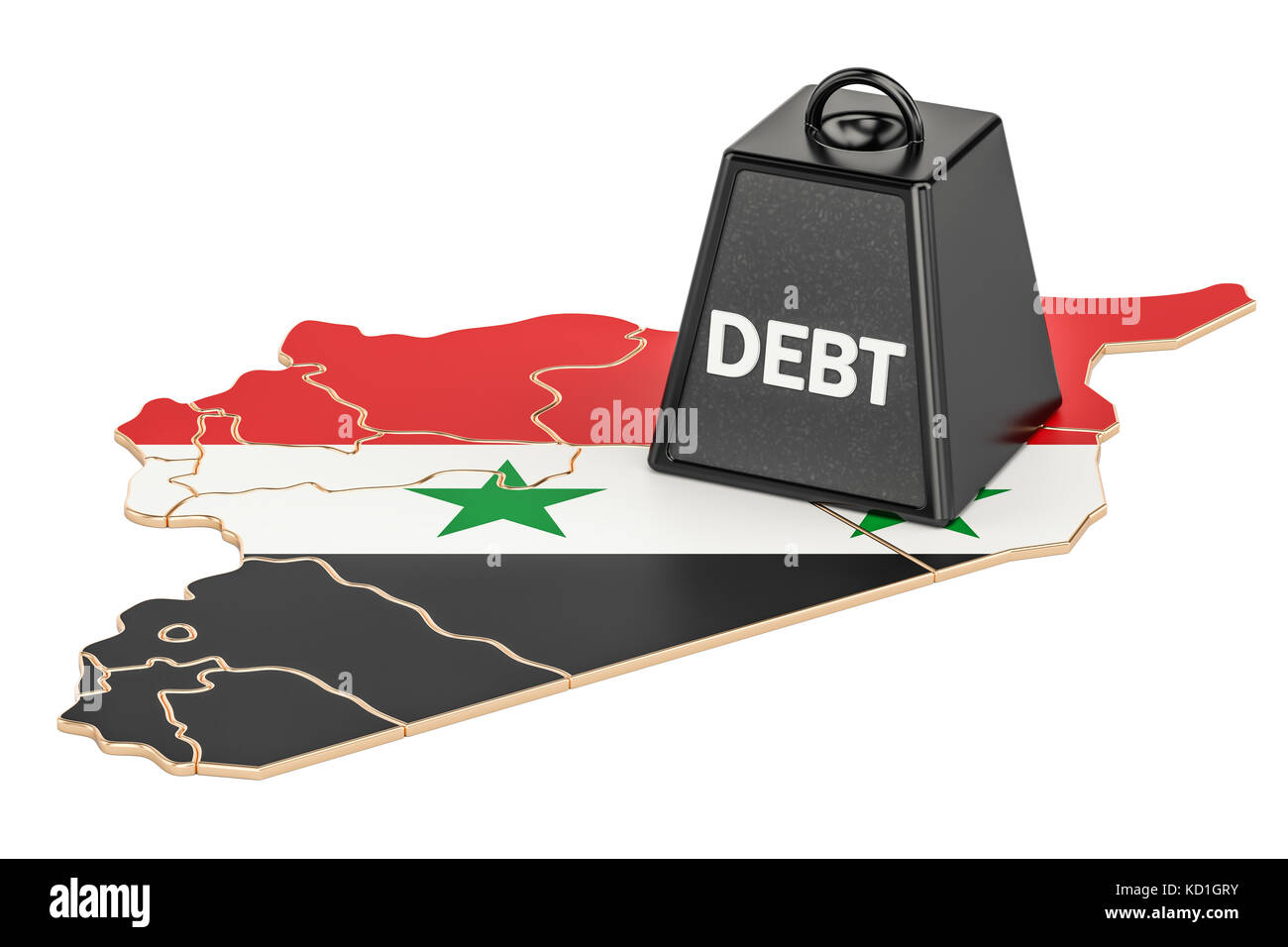
Syrian President Ahmad al-Shara has issued a new decree aimed at settling troubled bank debts, a move considered essential for restoring confidence in the country's banking system. This decree seeks to recover a cash block estimated at $440 million, which was lent during the previous regime before the outbreak of the Syrian revolution in 2011.
This step comes at a time when Syria is suffering from a severe economic crisis, with poverty and unemployment rates significantly increasing. Experts believe that this initiative could help improve the financial situation of banks and enhance trust between citizens and the banking system, which has seen a significant decline in recent years.
Details of the Decree
The new decree includes clear mechanisms for settling troubled debts, allowing borrowers to reschedule their debts under easier terms. However, the decree excludes the regime's loyalists, raising questions about the impact of this exclusion on the settlement process. Some analysts suggest that this exception may contribute to increasing discontent among certain segments of Syrian society.
This move is part of the Syrian government's efforts to improve the economic situation, yet many citizens still feel distrust toward the banking system due to rampant corruption and mismanagement.
Background & Context
Since the outbreak of the Syrian revolution in 2011, the Syrian economy has deteriorated significantly, with the Syrian pound losing much of its value and inflation rates rising to unprecedented levels. This has exacerbated economic and social crises, leaving many citizens unable to repay their debts.
In recent years, the Syrian government has taken several steps aimed at improving the economic situation, including issuing decrees to encourage investment and alleviate burdens on citizens. However, these steps often face criticism for their lack of inclusiveness and transparency.
Impact & Consequences
The new decree could contribute to improving the financial situation of banks, potentially leading to increased loans granted to individuals and businesses. However, the exclusion of regime loyalists may exacerbate social divisions, as many feel marginalized from the economic process.
Additionally, this step may affect the relationship between the government and civil society, with some expecting an increase in protests and demands for economic and political reforms. Under these circumstances, the question remains about the government's ability to achieve economic stability in the country.
Regional Significance
The economic situation in Syria serves as an indicator of the challenges faced by many other Arab countries, as many of these nations suffer from similar economic crises. Syria's experience in settling troubled debts could provide a lesson that other countries in the region might benefit from.
In conclusion, hope remains that this step will contribute to improving the economic conditions in Syria, despite the significant challenges the country faces.