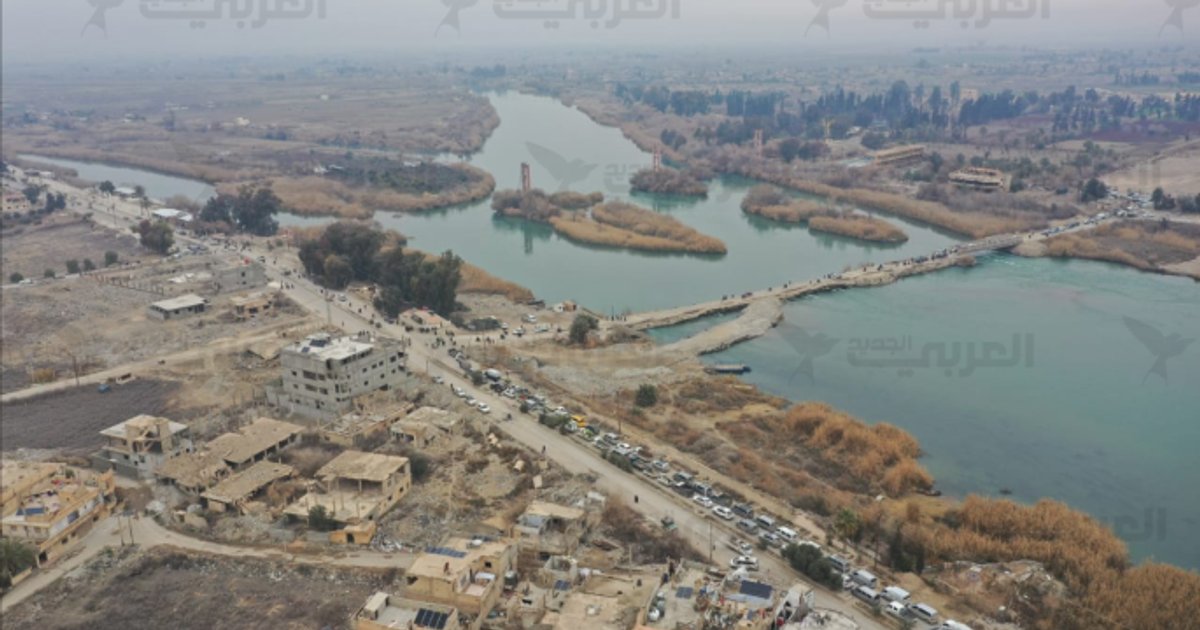
The Syrian Ministry of Emergency and Disaster Management has announced the establishment of a joint operations room to address the risk of flooding from the Euphrates River, which threatens Deir ez-Zor and Raqqa provinces. This decision comes amid growing concerns over the impact of floods on the population and infrastructure.
The Syrian government aims to coordinate efforts among various stakeholders, including rescue and relief teams, to ensure a swift and effective response to protect citizens. This decision was made after observing rising water levels in the river, which indicate potential flooding that could lead to significant damage.
Details of the Event
Reports indicate that the Euphrates River has experienced a notable increase in water levels due to heavy rainfall in the region recently. Aerial images have shown alarming rises in water levels, prompting authorities to take urgent measures. Emergency teams have been equipped with the necessary resources to handle any potential emergencies.
The action plan developed by the Ministry of Emergency includes deploying rescue teams in the most vulnerable areas, as well as providing humanitarian assistance to affected populations. Additionally, shelters have been identified in case of flooding to ensure the safety of citizens.
Background & Context
The Euphrates River is one of the most important rivers in the region, flowing through several countries and serving as a vital water source. However, climate change and increased human activities have exacerbated the risks associated with flooding. Historically, the region has experienced several floods that have resulted in significant loss of life and property, making it essential to implement effective preventive measures.
These events come at a sensitive time for Syria, which has been suffering from the effects of ongoing conflict for over a decade. The infrastructure has deteriorated significantly, complicating the response to any natural disasters. Therefore, cooperation between government entities and civil society is crucial to address these challenges.
Impact & Consequences
If the flood risk is not effectively managed, it could worsen the humanitarian situation in the region. Flooding could destroy homes and farms, exacerbating the suffering of populations already facing shortages of essential resources. The impact on infrastructure could hinder relief efforts and make it more difficult to access affected areas.
Moreover, flooding could lead to the outbreak of diseases due to water contamination, posing an additional threat to public health. Thus, early preparedness and effective coordination among stakeholders are vital to minimize potential damages.
Regional Significance
Flooding in Syria is part of a larger phenomenon affecting many Arab countries, as the region increasingly faces climate changes leading to severe weather fluctuations. The challenges faced by Syria may also reflect the challenges encountered by other countries in the region, necessitating regional cooperation to address these risks.
Under these circumstances, Arab countries must enhance their strategies for climate change adaptation, develop early warning systems for floods, and strengthen cooperation among nations to tackle natural disasters.
In conclusion, the emergency mobilization in Syria to confront the risk of flooding from the Euphrates River underscores the importance of preparedness for natural disasters. The current situation requires a collective effort among all stakeholders to ensure the safety of citizens and reduce potential damages.