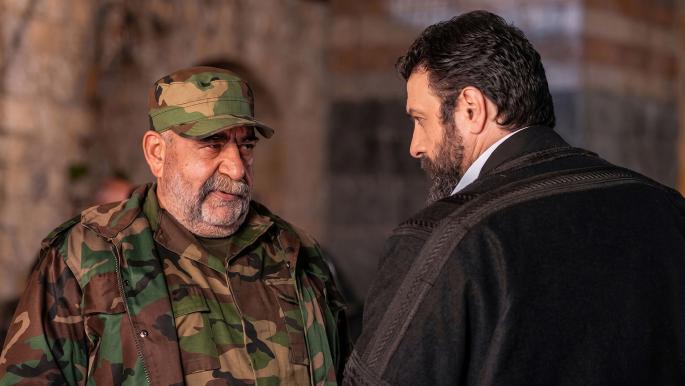
The Syrian art scene is striving to regain its vibrancy after years of tension and absence, with numerous artists expressing their supportive positions towards the revolution. This return is not easy, as the current circumstances require adaptation to the substantial changes that the country has undergone.
Many names have emerged in this context, but covering all the artists who supported the Syrian revolution remains a challenging task. Therefore, some journalistic treatments focus on specific examples, reflecting the diversity of opinions and positions within the artistic community.
Details of the Event
The positions of Syrian artists range from support to rejection, with some expressing their backing for the revolution through their artistic works, while others prefer to distance themselves from politics and focus solely on art. This dynamic reflects the internal conflicts faced by artists under the current circumstances.
Among the artists who have returned to the scene, we find well-known names who have created works that reflect their personal experiences and the suffering of the Syrian people. These works are not limited to drama but also encompass music and visual arts, showcasing the diversity of artistic expression in the face of crises.
Background & Context
The Syrian revolution began in 2011, leading to radical changes in the social and political landscape. Artists have been significantly affected by these events, with many finding themselves in difficult positions that require them to make critical decisions about their artistic careers.
Over the past years, the Syrian art scene has witnessed a noticeable decline due to the ongoing conflict, resulting in the absence of many artists from the scene. However, some cultural initiatives have begun to emerge, helping to revive artistic activity in certain areas.
Impact & Consequences
The impact of the revolution on Syrian art extends beyond individuals; it encompasses society as a whole. Art serves as a means of expressing suffering and hope, reflecting the social and political changes occurring in the country.
This impact is evident in artistic works that address themes of war and displacement, as artists strive to document their experiences and those of others through their creations. These works are not merely art; they are living testimonies of what the Syrian people have endured.
Regional Significance
The experience of Syrian artists serves as a model in the Arab region, illustrating how political events influence the arts. Many Arab artists closely follow what is happening in Syria, reflecting their solidarity with their colleagues in facing challenges.
Moreover, the return of Syrian artists to the scene may inspire other artists in Arab countries suffering from conflicts, reinforcing the role of art as a means of change and expression of social issues.
In conclusion, the Syrian art scene remains in a state of continuous change, as artists seek to rebuild their artistic identities under difficult circumstances. Their positions and opinions reflect a complex reality that requires deep understanding from the audience.