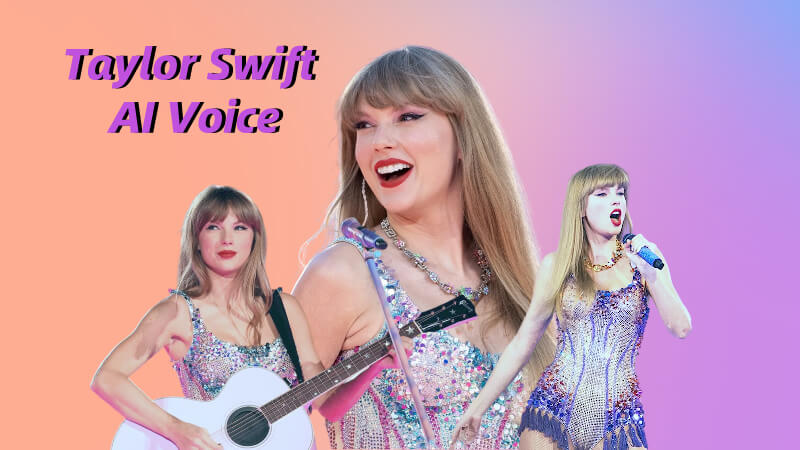
In an unprecedented move, global superstar Taylor Swift has filed requests to register her voice and image rights in an effort to protect herself from artificial intelligence technologies that could mimic her. The requests include three registrations in the United States, featuring an image of her during her Eras Tour performance, as well as promotional audio clips for her latest album.
This initiative comes in response to the emergence of fake versions of Swift through AI technologies, including inappropriate images and fake advertisements portraying her urging votes for Donald Trump. This phenomenon has raised concerns among many celebrities, prompting them to take legal actions to protect their rights.
Details of the Requests
The requests submitted by Swift include an image of her holding a pink guitar, along with audio clips featuring phrases like "Hello, I'm Taylor." These clips were recorded as part of the promotion for her album The Life of a Showgirl, which she released last fall. Through these requests, Swift aims to prevent any unauthorized use of her voice and image in contexts that may be misleading or offensive.
According to intellectual property attorney Josh Gerben, registering these rights may grant Swift the ability to confront any imitation or illegal use of her voice and image. She could take legal action against any use that confusingly resembles her registered rights.
Background & Context
This step is part of a growing trend among celebrities to protect their rights amid the increasing use of AI technologies. Matthew McConaughey was the first celebrity to take similar legal steps to safeguard his voice and image from unauthorized use. This trend reflects the growing concern about how AI is used to imitate public figures.
Historically, there has not been a clear legal framework to protect celebrities' rights in this context, leaving them vulnerable to exploitation. With the rise of AI usage, it has become essential to establish clear laws to safeguard individuals' rights.
Impact & Consequences
This move by Swift signifies the importance of protecting artists' rights in the modern technological era. Such actions could lead to a shift in how the law addresses intellectual property rights in light of technological advancements. Additionally, this step may encourage more celebrities to take similar actions to protect themselves.
If Swift succeeds in registering her rights, it could set a legal precedent that helps protect the rights of other artists, enhancing the significance of intellectual property protection in the age of AI.
Regional Significance
In the Arab region, the increasing use of AI technologies across various fields raises questions about how to protect the rights of artists and creators. Swift's experience may motivate Arab celebrities to take similar steps to safeguard their rights, especially amid the rising use of digital content.
In conclusion, Swift's initiative underscores the importance of protecting individual rights in the technological era and highlights the necessity for a legal framework to shield these rights from exploitation.