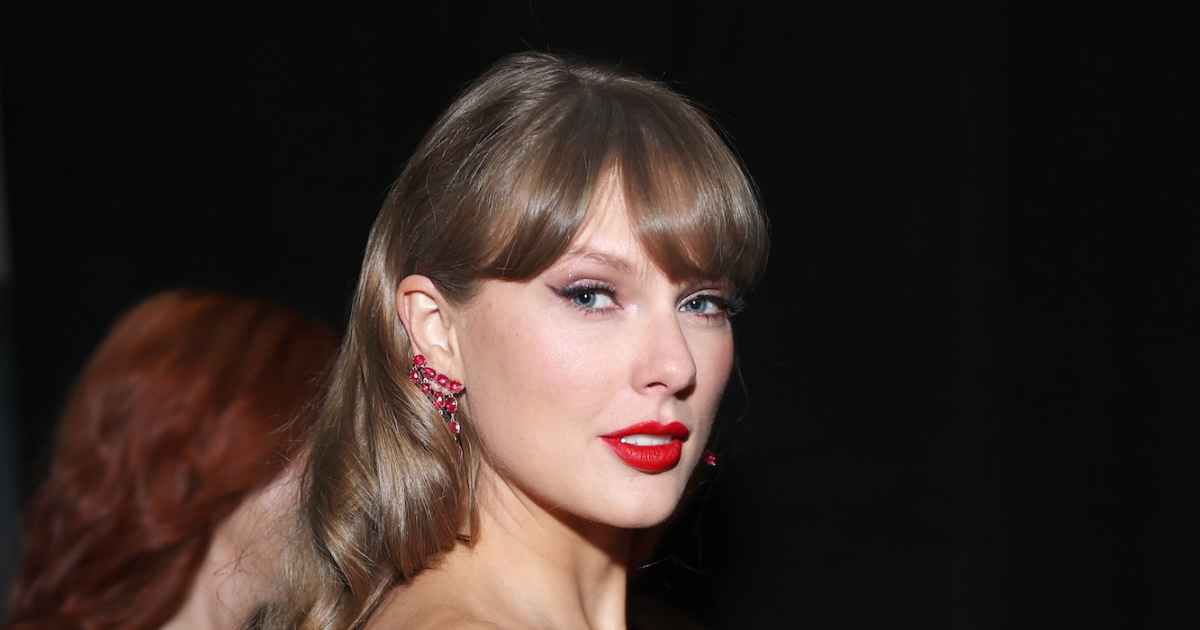
American star Taylor Swift is taking measures to protect herself from AI imitation, as her legal team has filed new trademark applications related to two of her famous phrases. This move comes at a time when concerns are rising over the use of artificial intelligence to mimic voices and appearances, raising questions about artists' rights in the modern technological era.
The applications submitted by Swift's team include protection for her phrases: "Hello, it's Taylor Swift" and "Hi, it's Taylor." These requests were filed by the TAS Rights Management on behalf of Swift and include audio clips of her discussing her new album. This action demonstrates how laws are interacting with complex technological developments, as Swift's legal efforts may face challenges under current circumstances.
Event Details
Swift, who has previously faced issues related to AI imitation, is seeking to protect her rights through these applications. In one of the clips, Swift states: "Hello, it's Taylor Swift, and you can listen to my new album The Life of a Showgirl on Amazon Music Unlimited." A request has also been made to register an image of her holding a pink guitar, reflecting her unique artistic style.
Although Swift's team has not explicitly stated that these trademarks aim to protect her from AI use, the context suggests otherwise. Swift has faced challenges regarding music generated by AI, as well as attacks related to fake images created using AI technologies.
Background & Context
Historically, artists have used copyright laws to protect their works, but the rise of AI-generated music has complicated the defense of their rights. Copyright protects songs but not voices. Legal teams have had to think innovatively, as Universal Music Group has filed requests to remove AI-generated music content, citing producer tags that appear at the beginning of songs.
Intellectual property attorney Josh Gerben explained that trademarks could help bridge the gap created by AI imitation. Instead of targeting exact copies of her music, Swift could challenge versions that closely resemble her works.
Impact & Consequences
Trademarks could serve as an additional legal tool in Swift's arsenal against AI imitation, even if the legal landscape remains unclear. Law professor Shien Tang states that trademarks may help warn unaware infringers by directing them to the federal registration number, potentially convincing them to cease imitation.
So far, only the state of Tennessee has passed a law specifically addressing AI-generated voice imitation. Additionally, fake image detection tools on YouTube, which allow celebrities and politicians to remove fake copies, currently only apply to facial imitation.
Regional Significance
Highlighting this issue reflects the challenges artists in the Arab world may also face, as the use of AI in art and music is increasing. There may be a need to develop similar laws to protect Arab artists' rights from AI imitation, underscoring the importance of this issue at the regional level.
In conclusion, Taylor Swift's move represents a significant step toward protecting artists' rights in the age of AI and reflects the legal challenges all artists may face in the future.