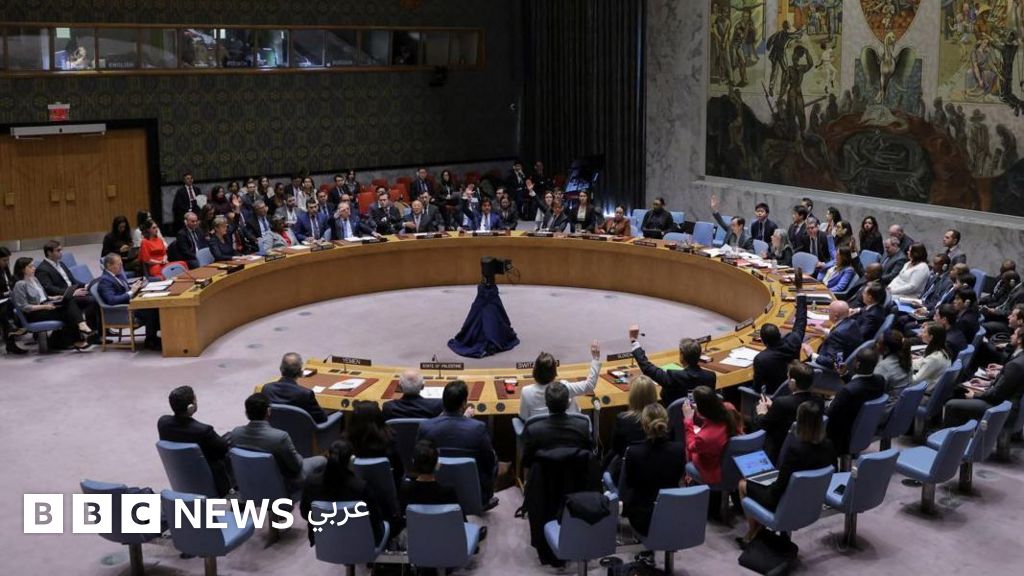
An Iranian high-ranking official confirmed that Tehran rejects the US proposal calling for a ceasefire in the region, indicating that this proposal does not align with Iran's strategic interests. This statement comes at a time when the region is witnessing heightened military tensions, raising concerns about a larger escalation that could impact regional stability.
This move follows a series of tense events between Iran and the United States, with both nations exchanging accusations regarding support for armed groups in the region. These tensions have increased following recent attacks targeting US interests in Iraq and Syria, prompting Washington to demand a halt to hostilities.
Details of the Event
In his statements, the Iranian official noted that the US proposal reflects a misunderstanding by Washington of the realities in the region, asserting that Tehran will not back down from its defensive policies. He also added that Iran will continue to support its allies in the region, complicating the security situation further.
This Iranian rejection comes at a sensitive time, as the United States seeks to bolster its military presence in the region, increasing the likelihood of military escalation. Tehran has expressed its readiness to confront any threats, placing the region in a state of ongoing tension.
Background & Context
Historically, relations between Iran and the United States have been strained, especially following Washington's withdrawal from the Iranian nuclear deal in 2018. Since then, the US has imposed strict sanctions on Iran, affecting its economy and leading to heightened military tensions.
In recent years, Iran has increased its support for armed groups in Iraq, Syria, and Lebanon, raising concerns among the United States and its allies in the region. These groups are considered part of Iran's strategy to enhance its influence in the Middle East, complicating the security situation even further.
Impact & Consequences
Iran's rejection of the US proposal for a ceasefire carries significant implications for regional security. This refusal could lead to potential military escalation, increasing the risk of a comprehensive conflict in the region. Additionally, the continuation of tensions may impact oil prices and global financial markets.
Moreover, escalating tensions could lead to increased international support for Iran from its allies, complicating peace efforts in the region. This situation poses a significant challenge to diplomatic efforts aimed at achieving stability in the Middle East.
Regional Significance
The tensions between Iran and the United States directly affect Arab countries, particularly those sharing borders with Iran or influenced by its presence. Countries such as Iraq, Syria, and Lebanon may face negative repercussions due to escalating tensions, exacerbating humanitarian and political crises in those nations.
Furthermore, the ongoing conflict could lead to increased divisions among Arab states, as positions toward Iran and the United States vary. This could weaken the ability of Arab countries to confront shared challenges, further complicating the regional situation.
In conclusion, the situation in the region remains tense as Iran rejects the US proposal for a ceasefire, reflecting the ongoing conflict between major powers in the Middle East. Intensive diplomatic efforts are required to achieve peace and stability in the region.