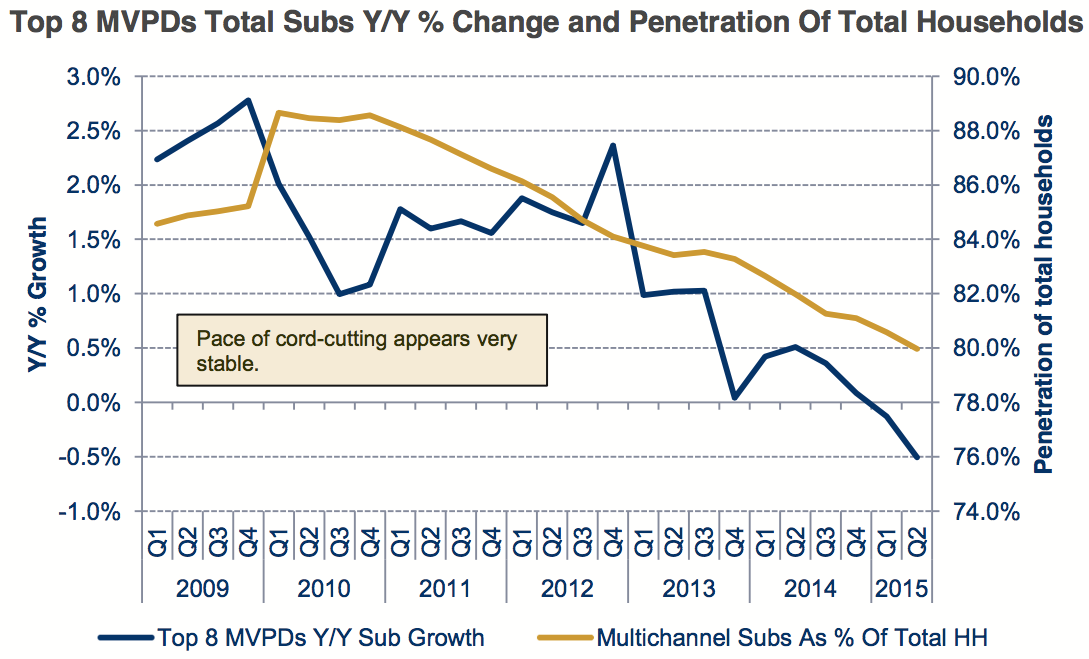
Television channels have recorded a notable decline in viewership during peak hours, raising concerns about the future of traditional media. This trend coincides with significant changes in the sector due to competition from digital platforms. Reports indicate that many channels have struggled to attract audiences as they did in previous years, placing them in a challenging position.
In recent years, traditional television channels have witnessed a decline in viewership, with statistics showing that many once-popular programs no longer attract the same number of viewers. This decline reflects a significant shift in audience viewing habits, with viewers increasingly leaning towards digital platforms such as Netflix and YouTube.
Details of the Decline
According to new data, viewership ratings during peak hours have dropped by as much as 30% on some channels. This decline is not limited to a single channel but encompasses several major networks that were once considered leaders in the field. Experts suggest that this trend may continue in the near future, presenting significant challenges for these channels.
This decline comes at a sensitive time, as channels are seeking to reassess their strategies to attract audiences. Some channels have already begun experimenting with new content, including interactive programs and live broadcasts, in an effort to regain lost viewers.
Background & Context
Historically, television channels were considered the primary source of information and entertainment. However, this dominance has begun to erode with the advent of the internet and technological advancements. In the last decade, we have witnessed a significant increase in the number of digital platforms offering diverse content, leading to a radical change in how content is consumed.
In past years, television channels relied heavily on advertising as their main source of revenue. However, with declining viewership, it has become challenging for them to maintain the same level of revenue, prompting many to rethink their business models.
Impact & Consequences
This decline in viewership could have significant repercussions for the media industry. It is expected to lead to cuts in production budgets, which may affect the quality of the content provided. Additionally, channels that cannot adapt to these new changes may face the risk of closure or merging with larger companies.
Moreover, this decline could result in job losses in the media sector, as channels will be forced to reduce staff numbers in an attempt to cut costs. This situation could negatively impact creativity and innovation within the media industry.
Regional Significance
In the Arab region, this global trend also reflects the challenges faced by local channels. Many Arab channels have already begun exploring digital platforms, seeking to attract the younger audience that prefers digital content. This shift could contribute to reshaping the media landscape in the region.
Furthermore, the decline of traditional channels may lead to increased competition among digital platforms, potentially resulting in more diverse and creative content. Ultimately, traditional television channels must adopt new strategies to face these challenges or risk permanently losing their audience.