Economic reports indicate that the recently announced two-week ceasefire may provide some immediate relief to markets, as global financial markets have shown a notable recovery, and oil prices have significantly decreased. Nevertheless, there are still concerns that long-term economic damage may have already begun.
In the past month, ships carrying oil, liquefied natural gas, and fertilizers have been banned from passing through the Strait of Hormuz, leading to production halts at many facilities in the Gulf. Even if the ceasefire continues and a peace agreement is reached, analysts expect it will take months to resume production and restore supplies to normal levels.
Details of the Ceasefire
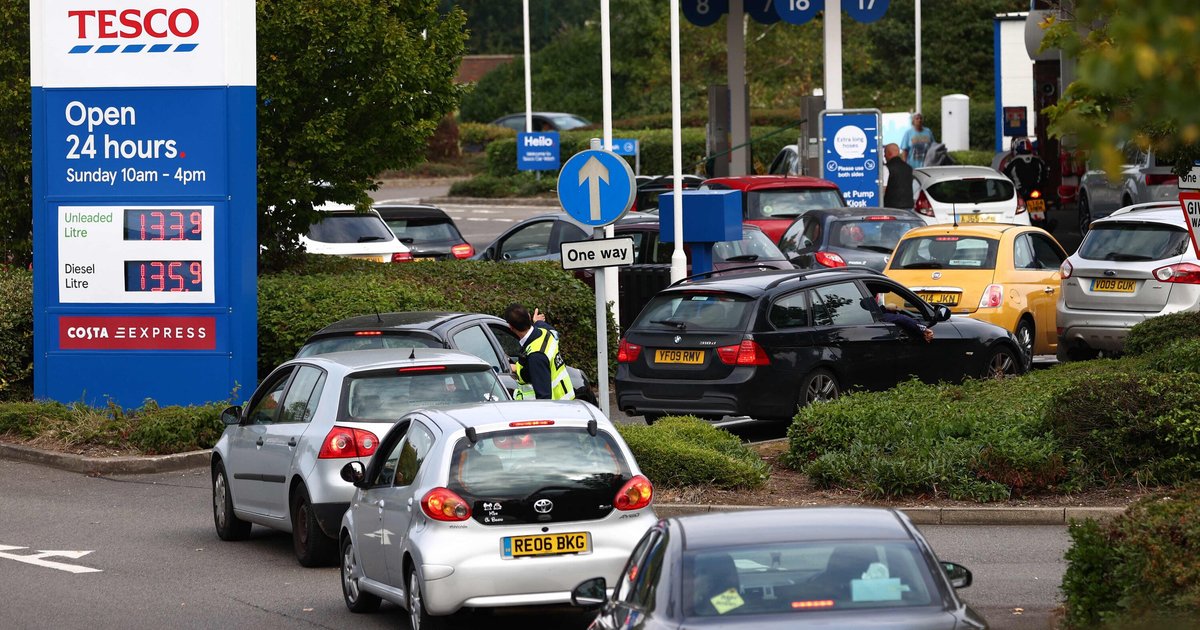
Despite the significant drop in crude oil prices, they remain above pre-war levels, meaning that drivers in the UK should not expect a substantial decrease in fuel costs anytime soon. Simon Williams, head of policy at the RAC, states that there is considerable uncertainty for drivers, and their best hope is that pump prices will stop rising in the coming days.
Williams adds that some smaller independent fuel stations may be quicker to pass on reductions, as they purchase oil based on current prices rather than pre-set prices. However, much depends on the stability of the ceasefire, whether oil shipments can move freely through the Strait of Hormuz, and the long-term impact on oil production in the Gulf.
Background & Context
Historically, the Strait of Hormuz is one of the most critical waterways in the world, through which about one-third of global oil supplies pass. Any disruption in this strait can significantly affect energy and food prices worldwide. In recent weeks, fertilizer prices have surged, impacting agricultural costs in the UK, where farmers have found it increasingly difficult to operate agricultural machinery due to high diesel prices.
The UK Food and Drink Federation anticipates that disruptions in supply and energy chains in the Gulf will last between six months to a year, keeping costs under pressure for an extended period. Even if the conflict ends within the next two weeks, food inflation in the UK is expected to reach at least 9% before the end of the year.
Impact & Consequences
Analyses show that the ceasefire may alleviate some immediate pressure on gas markets, but it does not erase the negative impact left by previous disruptions. If the strait opens and continues to operate, it may help ease prices, but it is unlikely that prices will return to pre-conflict levels.
Additionally, the damage to gas infrastructure in Qatar will take years to rebuild, meaning supply constraints will persist for a long time. Therefore, even with the ceasefire, wholesale gas prices are likely to remain high for some time, limiting the extent to which prices can decrease in July.
Regional Significance
Events in the Arabian Gulf directly affect Arab countries, as many nations rely on energy and food supplies from this region. Rising fuel and food prices could increase economic pressures on Arab households, necessitating government interventions to support the most affected groups.
In conclusion, the economic situation in the UK remains under scrutiny, as analysts expect price fluctuations to continue for a long time, impacting the daily lives of citizens.