Russian-European relations are escalating to unprecedented levels of tension, as Germany announced the suspension of oil imports from Russia following the arrest of a German citizen in Russia. These developments raise numerous questions about the dimensions of the existing tension between Germany and Russia, and whether we are witnessing the beginning of a long-term conflict in Europe.
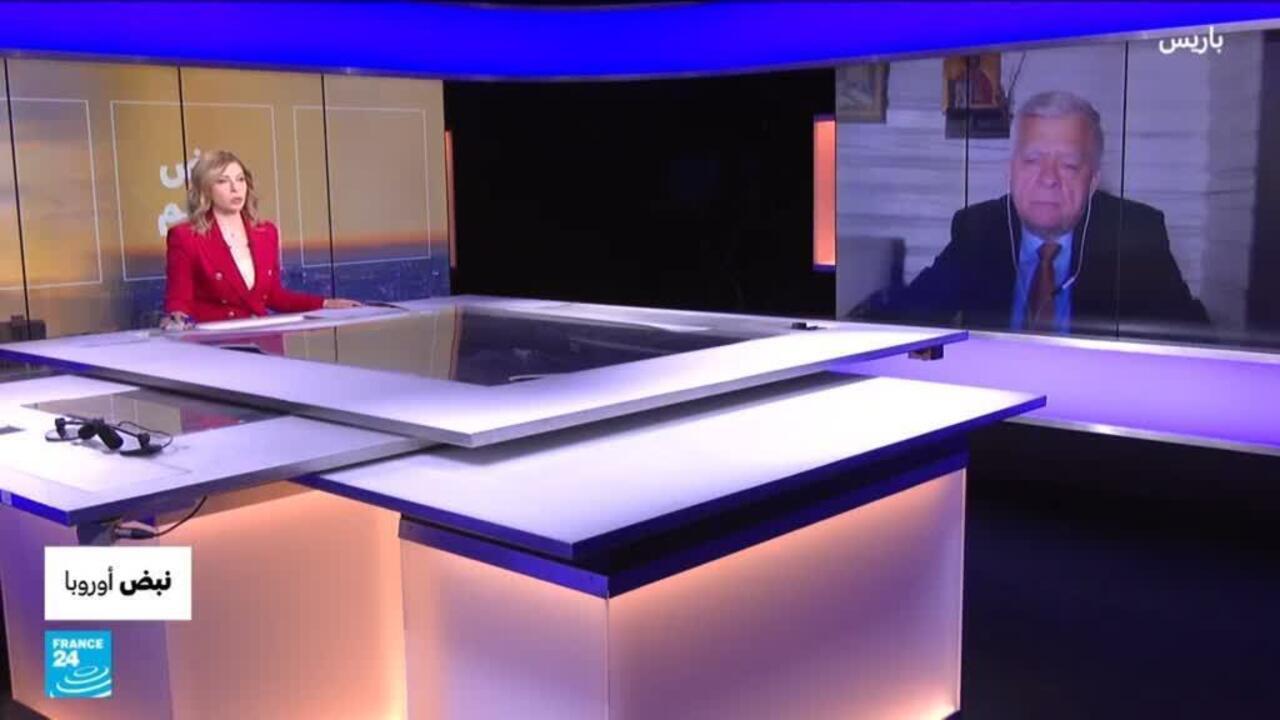
On the program "Pulse of Europe," these strained relations were highlighted, featuring former Russian diplomat Alexander Zasypkin, who provided a comprehensive analysis of the current situation. Zasypkin pointed out that these events are not merely a transient escalation, but rather reflect deeper tensions in the relations between Russia and European countries, especially amidst the political and economic crises affecting the region.
Details of the Incident
The German government announced the suspension of oil imports from Russia as part of its measures to pressure Moscow over the arrest of the German citizen. This decision comes at a sensitive time, as European pressures on Russia are increasing due to its foreign policies, particularly regarding Ukraine. The arrest of the German citizen has also provoked strong reactions from the German government, which deemed this act a violation of human rights.
These events occur amid the deterioration of relations between Russia and Western countries, where recent years have witnessed an escalation of tensions due to several issues, including Russia's intervention in Ukraine, espionage allegations, and cyberattacks. All these factors have contributed to creating an environment of mistrust between the two sides.
Background & Context
Historically, Russian-European relations have been characterized by complexity, experiencing periods of cooperation and competition. Following the collapse of the Soviet Union, European countries began to reassess their relations with Russia, but tensions resurfaced clearly after Russia's annexation of Crimea in 2014. This event marked a turning point in relations, leading Western countries to impose economic sanctions on Russia, further intensifying tensions.
In recent years, concerns have grown over the escalation of conflicts in the region, especially with the increase of Russian military activities near European borders. These activities have raised alarms among European countries, which are seeking to bolster their security and stability in the face of potential threats.
Impact & Consequences
Recent developments confirm that Russian-European relations may enter a new phase of tension, which could lead to negative consequences for the European economy. The suspension of Russian oil imports may affect energy supplies in Europe, increasing pressure on European governments to seek alternatives. Additionally, these tensions could lead to rising energy prices, impacting the lives of European citizens.
Moreover, these events may escalate political conflicts in the region, as European countries may seek to strengthen their alliances to face upcoming challenges. This situation could contribute to increasing divisions between European countries and Russia, complicating efforts for peace and stability in the region.
Regional Significance
Russian-European relations are of great importance to the Arab region, as any escalation in these relations could affect the geopolitical situation in the Middle East. Russia plays a significant role in many regional issues, including the conflict in Syria and relations with Iran. Any additional tension could lead to changes in regional balances, impacting Arab countries.
Furthermore, the economic crises resulting from these tensions could affect global oil prices, reflecting on the economies of Arab countries that heavily rely on oil exports. Therefore, it is crucial to closely monitor the developments in Russian-European relations to understand the potential impacts on the region.
In conclusion, it appears that Russian-European relations have entered a new phase of tension, raising concerns about the future of these relations and their impact on security and stability in Europe and the Arab region.