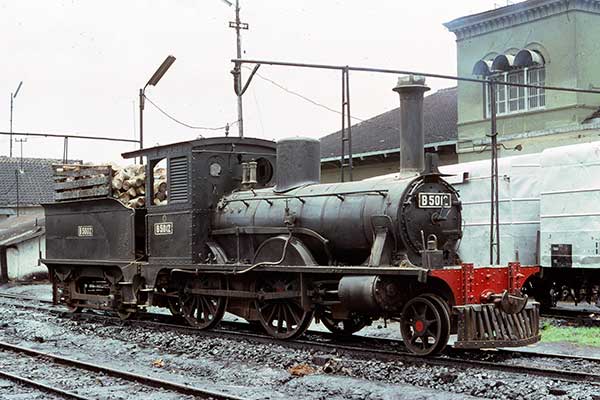
The Indonesian Ministry of Energy and Mineral Resources (ESDM) has initiated tests for the use of B50 fuel in train engines at the PUK Lempuyangan site in Yogyakarta. The test involves the new fuel being used in trains connecting Yogyakarta to the capital, Jakarta, with the testing period set to continue until October 2026.
B50 fuel is a blend consisting of 50% diesel and 50% biofuel, and this project aims to enhance energy efficiency and reduce carbon emissions. Eniya Alistiani Dewi, the director of new and renewable energy at the ministry, confirmed that the tests began last year as part of preparations for the official use of B50 starting July 1, 2026.
Details of the Testing Initiative
The B50 fuel tests will also extend to other trains, such as the train connecting Surabaya and Jakarta, with these tests expected to last for six months. The ministry noted that these tests aim to evaluate engine performance under actual working conditions.
This step is part of Indonesia's efforts to promote the use of sustainable fuel, as the government seeks to achieve its renewable energy goals and reduce dependence on fossil fuels. Technical tests were conducted in laboratories before moving on to field tests.
Background & Context
The history of biofuel use in Indonesia dates back over 15 years, with the country being a pioneer in this field. B50 fuel is a locally produced product, enhancing Indonesia's ability to achieve energy self-sufficiency.
In recent years, Indonesia has seen increasing interest from other countries looking to benefit from its experience with B50 fuel. This experience is unique, as there are no similar examples in other countries, positioning Indonesia as a leader in this area.
Impact & Consequences
The Indonesian government aims to achieve several strategic objectives through this project, including enhancing energy security and reducing carbon emissions. Additionally, the use of B50 fuel could contribute to improving the economic situation by decreasing reliance on oil imports.
This project is also a significant step towards achieving sustainable development, as it helps mitigate negative environmental impacts. The success of this experiment is expected to promote the use of biofuels in other sectors such as agriculture and transportation.
Regional Significance
Indonesia's experience with B50 fuel serves as a model that Arab countries could benefit from, especially those seeking to diversify energy sources and reduce emissions. Arab nations, which possess rich natural resources, can leverage this experience to develop their energy strategies.
Amid global environmental challenges, there may be opportunities for collaboration between Indonesia and Arab countries in the field of renewable energy, enhancing sustainable development efforts in the region.