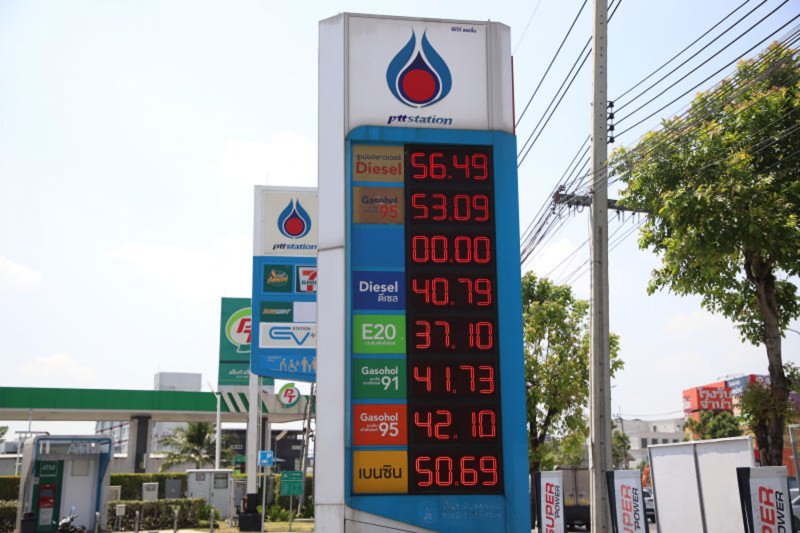
Thai authorities are preparing to request a loan from commercial banks to stabilize the deteriorating oil fund, following the formation of the new government led by Anutin Charnvirakul. This decision comes at a critical time as the country faces an increasing energy crisis due to rising global oil prices.
An energy sector official, who requested anonymity, confirmed that the government is working on a borrowing plan as it transitions from a caretaker government to a full government, enabling it to approve necessary borrowing measures.
Details of the Event
The list of the new government was published in the official gazette, paving the way for the new administration to present its policy statement to parliament in early April. The previous government, which operated as a caretaker administration, faced financial constraints that affected its ability to address the escalating crisis in the energy sector.
Although the exact amount of the loan has not yet been determined, an emergency decree authorizing borrowing is expected to be issued, similar to the process that took place in 2023-2024. Under the Oil Fund Act, loans are capped at a maximum amount of 40 billion baht.
Background & Context
Thai authorities began preparing for the loan weeks ago, as global crude oil prices saw a notable increase. The price of refined oil in Singapore rose to $238 per barrel, increasing pressure on the fund that acts as a buffer against fuel price fluctuations.
Despite the executive committee of the oil fund's decision to increase diesel support by 2.09 baht per liter, local diesel prices rose to 40.74 baht per liter on March 31, compared to 38.94 baht. Gasoline prices also increased to between 41.68 and 42.05 baht per liter, compared to 40.68 to 41.05 baht previously.
Impact & Consequences
The demand for the loan underscores the government's urgent need to bolster the fund amid ongoing instability in global energy markets. With a new government in place, authorities are expected to act swiftly to secure funding that will help alleviate consumer pressures from future fuel price shocks.
The increase in support has raised the fund's daily expenditure to 1.5 billion baht, compared to 1.3 billion baht. According to the Oil Fund Office, the fund was facing a deficit of 42.1 billion baht as of March 29, including a deficit of 4.83 billion baht from the oil account and 37.3 billion baht from the liquefied petroleum gas account.
Regional Significance
The energy crisis in Thailand exemplifies the challenges faced by many countries amid fluctuations in global oil prices. In the Arab region, many countries rely on oil exports, making them susceptible to the impacts of rising prices. These crises may increase pressures on governments to provide support to consumers, affecting public budgets.
In conclusion, the Thai government's decision to seek a loan represents a significant step in attempting to stabilize the financial situation of the oil fund at a time when the world is experiencing sharp fluctuations in energy markets.