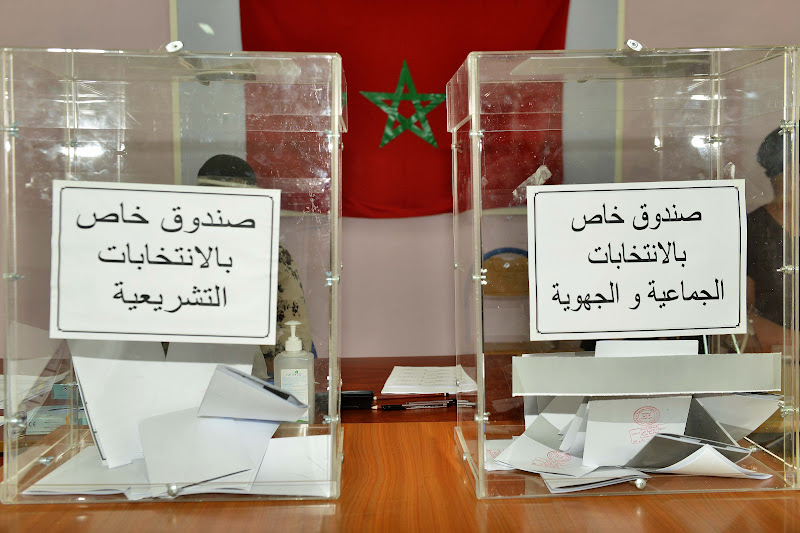
The polling stations in France opened their doors today, witnessing voter turnout in 1,526 municipalities for the second round of voting in the 2026 municipal elections. Approximately 26 million voters have the right to express their opinions and choose their candidates, reflecting their engagement with local issues and the services provided to them. Most polling stations are expected to close at 6 PM, with extended hours until 8 PM in major cities like Paris and Lyon.
These elections come amidst a competitive atmosphere, as many await the results that will impact the French political landscape in the coming years. Municipal elections are considered a key opportunity to select local authorities and determine development priorities in each area. Since 2020, the right to vote has been expanded, allowing more citizens to participate in the democratic process.
The political shifts within French society are establishing a new reality, marked by increased waves of protests over issues such as rising living costs and immigration challenges, which are likely to influence voter choices. Municipal elections represent an opportunity to gauge public reactions to these issues, which have become integral to national discussions.
The current French municipal elections are not the first of their kind amid this transition. French towns and cities have witnessed frequent changes in political leadership in recent years. Leading figures often reflect varied opinions on how to address current challenges, such as economic crises and healthcare. Elections provide a chance to reassess local policies and their impact on citizens' daily lives.
Several factors influence these elections, which are not limited to government performance but also reflect voters' positions on broader societal issues. Experts are closely monitoring voter behavior to ensure an effective response to pressing community concerns.
Looking at regional effects, the municipal elections in France reflect political trends that may impact relations with neighboring countries and Europe as a whole. While some European governments are moving towards normalizing relations with local authorities, France remains a focal point for discussions concerning immigration and integration. How will these elections affect French policy in the context of international relations?
From the perspective of Arab communities regarding the French elections, observers are sensitive to how similar decisions will impact Arab families and communities in France. Many look forward to understanding how these elections will play a role in enhancing social interaction and setting community priorities.
Reports have confirmed that the voter turnout will be keenly monitored by the citizens of France, especially amidst the volatile political climate. Voting in this second round may reflect whether voters are satisfied with their candidates or if they desire radical changes.
These elections are not merely a local event; they are a test of French democracy, showcasing the impact of the people's will in shaping the future of the country at various levels.
The commencement of voting today in France embodies participatory politics, which calls for everyone to be involved in shaping the decisions that affect their lives. Voters are now part of the process directing the nation toward the path they desire, and they have the right to aspire to fulfill their hopes by electing representatives capable of improving their circumstances.