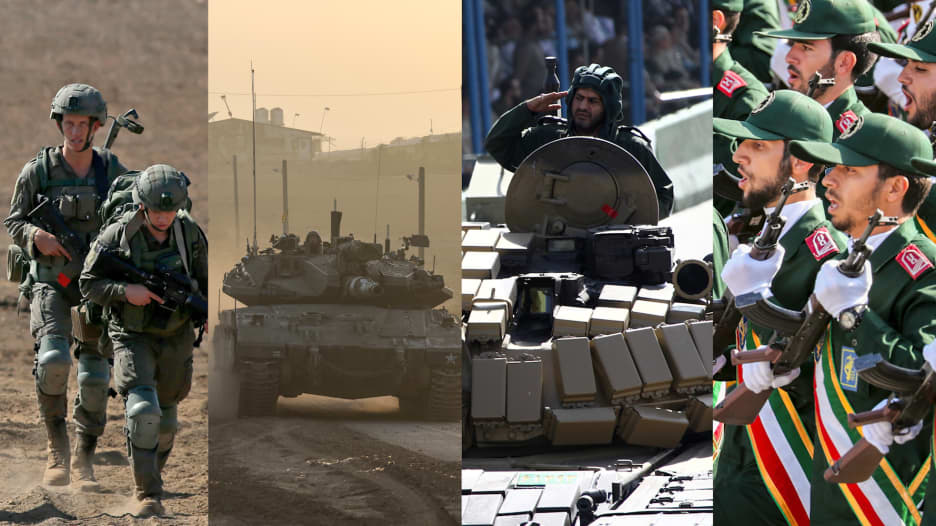
Investors are facing increasing pressures as the conflict between the United States and Iran continues into its fourth week with no signs of calming down. The current situation raises concerns among many regarding the impact of this conflict on the financial markets, particularly oil prices, as global markets seem poised for another volatile session.
Since the onset of military operations, oil prices have seen notable fluctuations, quickly rising due to fears of supply disruptions. Market analysis confirms that investors are closely monitoring the situation amid escalating tensions and threats from both sides, which could lead to greater repercussions for regional stability.
The political history of Iran and the United States is long and complex, with significant deterioration in their relations since the Islamic Revolution in 1979. The ongoing active conflict has heightened this tension, coming alongside the U.S. efforts to diminish Iran's influence in the region. Recently, Washington announced it would bolster its support for local forces in Iraq, Syria, and Lebanon, increasing the likelihood of instability in these areas.
The implications of the current military operations could be far-reaching, with growing fears of surging oil prices resulting from attacks on energy infrastructure. The effect may be circumstantial; however, continued conflict could increase pressures on the global economy with rising prices and growing energy demands.
Meanwhile, the Arab region remains at the center of these events, where the interests of many Arab countries are directly tied to the conflict axis. Oil-rich countries like Saudi Arabia and the UAE could be affected by market volatility and their economies' ability to cope with the sharp rise in prices. In the meantime, there are fears that military actions could exacerbate humanitarian conditions in conflict zones, particularly in Yemen and Syria, which are already suffering from successive crises.
It is clear that the future of these conflicts and confrontations is uncertain, implying that each day is filled with surprises. There may be potential international interventions, whether from major powers or regional organizations, leaving the fundamental question: How will all of this reflect on stability in the region?
The financial markets remain in a state of readiness for what the coming days may hold. Increasing doubts and fears are prompting investors to take precautionary measures, potentially leading to a shift of some funds towards safe havens. Furthermore, current events may lead to changes in investment strategies, especially those related to energy.
In light of all the above, media and observers continue to watch the situation closely, emphasizing the need to understand the dimensions of the conflict and its effects on both local and international levels. The question remains: How long will this battle last, and what consequences could arise, particularly regarding energy prices and financial markets?