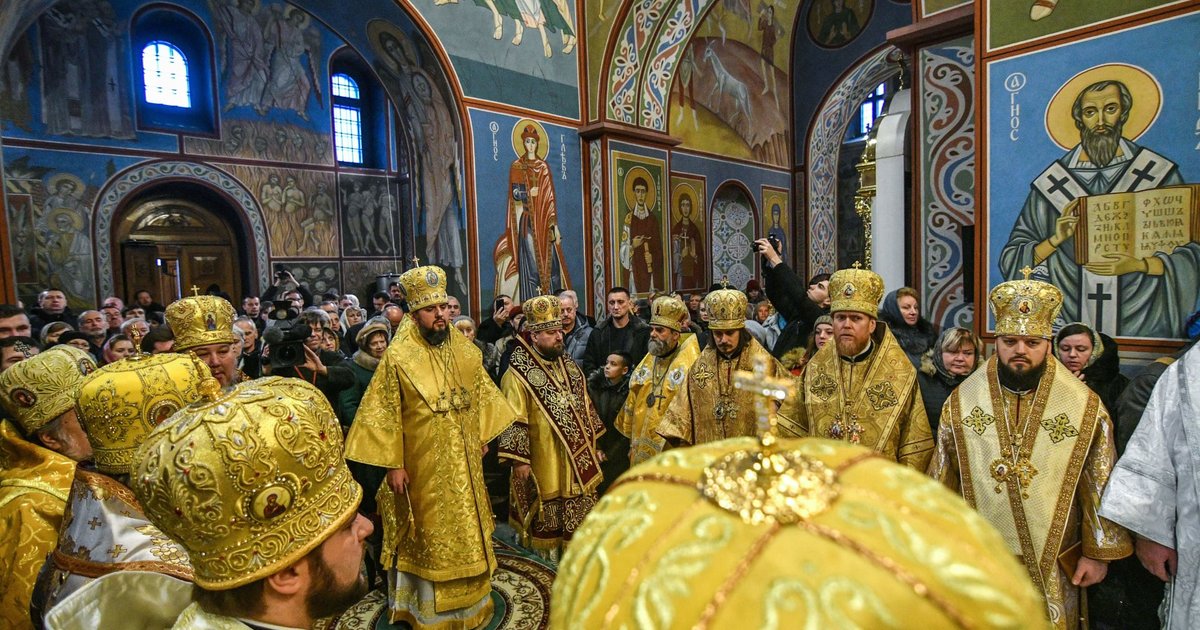
Patriarch Filaret, one of the most influential figures in the history of the Ukrainian Orthodox Church, died on Monday after a life filled with events that shaped the religious and political identity of Ukraine. Filaret was known for leading efforts to restore the church's independence from Moscow, greatly affecting the complex relationship between the Russian and Ukrainian churches.
Born in 1926 in Ukraine, Filaret began his religious career in monasteries, where he displayed leadership skills from an early age. In 1990, he became the Patriarch of the local Orthodox Church, announcing the necessity of the Ukrainian church's independence from the Russian church. His vision was clear: to gain international recognition from the world's religious and spiritual leaders.
Despite the limited support and reluctance he faced, Filaret successfully attracted the public towards his vision. He established what is known today as the Independent Ukrainian Orthodox Church, which gained recognition from the Patriarchate of Constantinople in 2019, exacerbating divisions among Orthodox Christians in Ukraine.
The passing of Patriarch Filaret marks the end of an era of religious and political struggles witnessed in Ukraine. Over decades, he became a symbol of the fight for Ukrainian identity and the church's independence. His death is not just a spiritual loss but represents a shift in the country's religious landscape.
The historical context surrounding Filaret spans decades, as the Ukrainian Orthodox Church suffers from the effects of Russian dominance on religious identity. Filaret has been at the heart of discussions regarding independence for a long time, facing challenges from Russian church leaders who viewed his actions as a threat to the traditional unity of the Orthodox Church.
The potential repercussions of Filaret's departure could be far-reaching. With growing divisions among Orthodox churches worldwide, his death may create a leadership vacuum within the Ukrainian church, leaving the arena open to new power struggles. Ukrainians now face the question of who will fill this void.
In a broader context, this event holds particular significance given the religious practices in the Arab region. Sectarian conflicts and religious divisions mirror what Ukrainians have experienced, as events contribute to the formation of new identities and solidify differences. Developments in Ukraine may reflect similar challenges faced by Arab communities striving for independence from religious and sectarian dominance.
The passing of Patriarch Filaret presents an opportunity for Arab communities to rethink issues of religious independence and identity, especially in the context of sectarian conflicts affecting some nations. His legacy may also contribute to discussions about the rights of religious minorities in the Arab region and their right to practice their faith freely.
Highlighting these issues turns the death of Patriarch Filaret into a profoundly significant event not only for Ukraine but also for the Middle East, where the question remains open about the possibility of embodying principles of dialogue and unity in a time marked by deep tensions and conflicts.