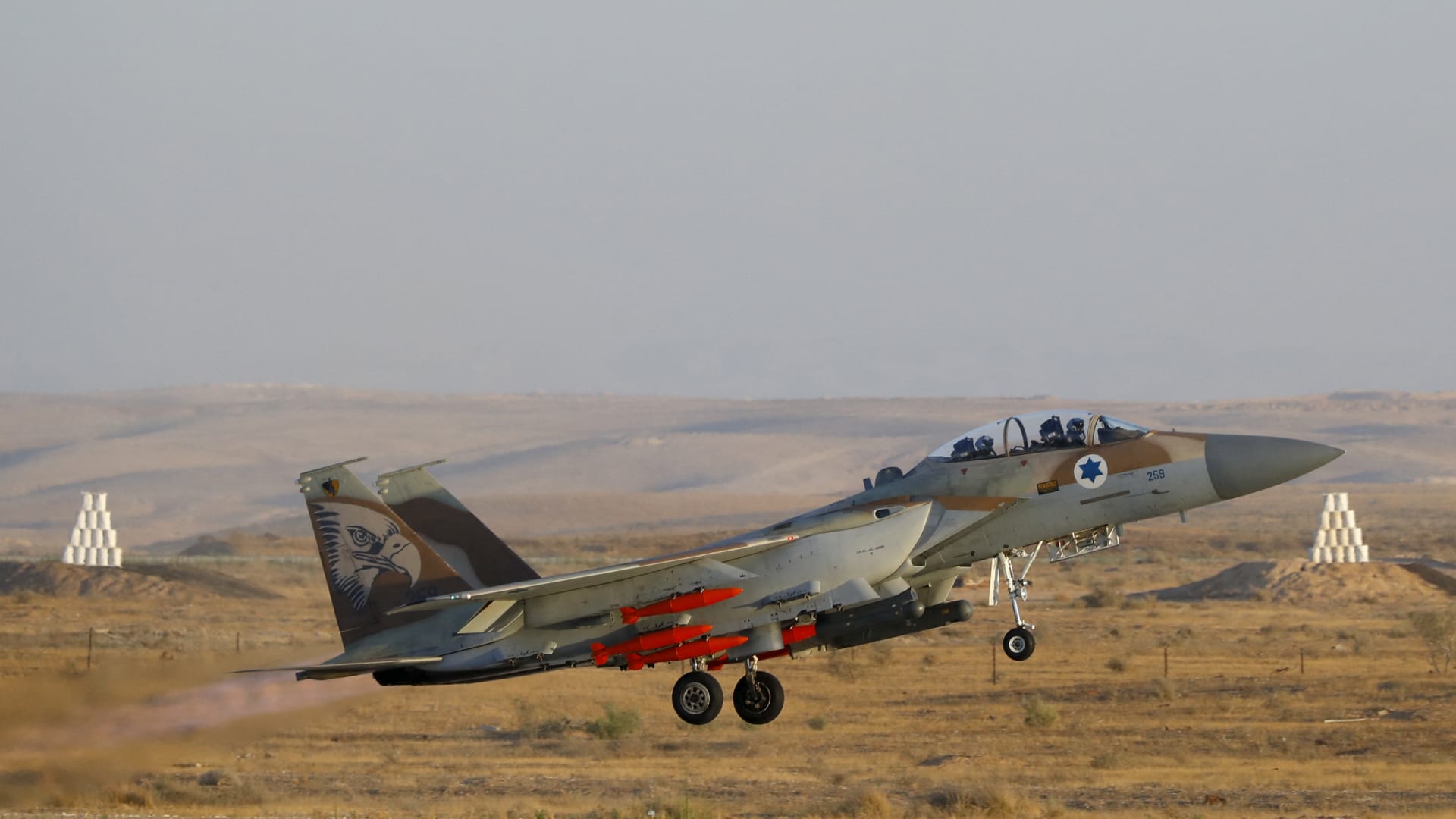
Reports indicate that global airlines have incurred heavy losses estimated at around $53 billion since the beginning of the war between the United States and Israel on one side and Iran on the other. These sudden shifts in the aviation market have significantly impacted operations in the Gulf region, leading to the suspension of numerous flights and causing disruptions in both travel and trade.
This conflict comes at a sensitive time for the world, as the aviation industry has been recovering from the effects of the COVID-19 pandemic, which caused severe damage to the sector. However, the ongoing escalation between major powers such as the United States, Israel, and Iran leaves negative repercussions for the industry, as concerns grow among experts that the conflict may lead to deeper economic crises and supply shortages in the future.
Reports state that jet fuel prices have doubled since the end of February, affecting operating costs for many airlines, heightening the fears of potential ticket price increases for travelers. At the same time, some airline executives have warned of a possible fuel shortage due to the ongoing market fluctuations, further complicating matters.
Historically, the tensions between Iran on one side and the United States and Israel on the other date back decades of regional conflict. Many historical and political factors intertwine, with the fear of Iran's regional dominance playing a major role in the strategies of the US and Israel. These historical dimensions have been central to the military and political conflicts that the region has witnessed, which have exacerbated challenges for aviation sector stakeholders.
The consequences of the war on global aviation are starkly apparent, as airlines struggle to adapt to these ongoing situations. With air traffic disruptions and rising operating costs, companies find themselves facing significant challenges to maintain cohesion amid these changing conditions. Some of these companies may seek new ways to cut expenses and lessen the impact of the conflict on their services.
Moreover, this conflict has broader implications that extend beyond the aviation industry alone. Economic crises linked to the repercussions of the conflict could overshadow political and economic decisions in many countries, including those in the Gulf region.
Despite all this, the Arab public remains at the forefront of these developments, as they know firsthand how these conflicts can impact transport and supply lines, potentially leading to negative outcomes for tourism and travel. Rising prices and changing travel conditions can directly affect the travel plans of families and individuals in Arab countries.
Ultimately, ongoing global crises reveal how interconnected local and international economies are, highlighting the need for flexible and effective strategies to prepare for future challenges. As everyone awaits the outcomes of this war and its distant effects, we all must remain alert to how the aviation sector reacts in the face of these crises.