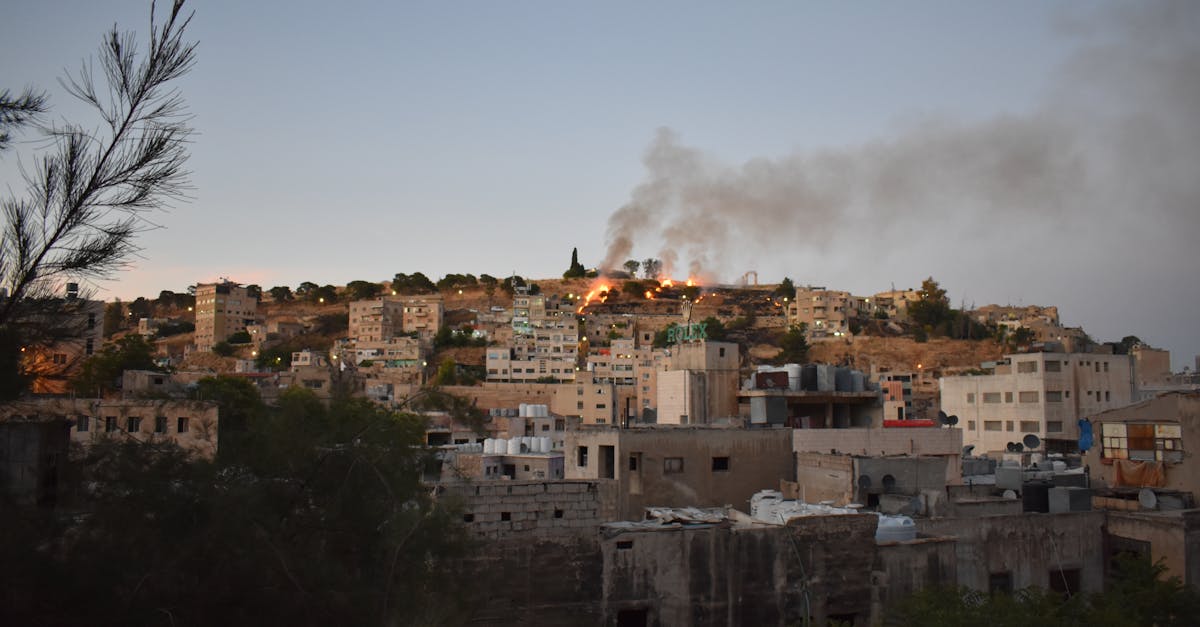
On Sunday, Lebanese authorities announced the martyrdom of 13 individuals and 30 injuries over the past 24 hours, bringing the total casualties from Israeli aggression to 2,509 martyrs and 7,755 wounded since March 2. This information was included in a report released by the "Disaster Risk Management Unit" of the Lebanese Council of Ministers, published by the official news agency.
The Israeli military operations in Lebanese territory continue, with a noticeable increase in the intensity of attacks recently, exacerbating the humanitarian situation in the country. The report indicated that most of the victims are civilians, raising concerns about the humanitarian impact of these operations.
Details of the Incident
Reports of human losses in Lebanon due to Israeli aggression have been pouring in, with a significant escalation in attacks witnessed in recent hours. Reports indicate that the victims fell in various regions, reflecting the widening scope of military operations. "Hezbollah" stated that these attacks represent a blatant violation of Lebanese sovereignty and considered the response to these aggressions a legitimate right.
These events come at a sensitive time, as Lebanon grapples with worsening economic and social crises, complicating the situation further. Local sources confirmed that many families have lost their breadwinners due to these attacks, intensifying their suffering.
Background & Context
The conflict between Lebanon and Israel dates back decades, with the region witnessing numerous wars and disputes. The situation worsened following the outbreak of the Lebanese Civil War in the 1970s, leading to external interventions and increasing tensions. Since then, the border between the two countries has become a theater for recurring clashes.
In recent years, relations between Lebanon and Israel have seen increasing tension, especially following the escalation of Israeli military activities in the region. These activities have led to popular movements in Lebanon, with protests demanding an end to the aggression and support for the affected.
Impact & Consequences
The ongoing Israeli aggression against Lebanon raises fears of a larger escalation in the region, potentially provoking reactions from Lebanese resistance factions. Additionally, the deteriorating humanitarian situation places further pressure on the Lebanese government, which is already suffering from crippling economic crises.
International calls to cease hostilities are increasing, but so far, little progress has been made. Human rights organizations have confirmed that civilians are the most affected by these conflicts, necessitating urgent action from the international community to protect their rights.
Regional Significance
The events in Lebanon are part of the larger picture of the Arab-Israeli conflict, affecting stability across the entire region. The continuation of violence in Lebanon could negatively impact neighboring countries and heighten tensions in the Middle East.
It is crucial for Arabs to stand in solidarity with Lebanon during these difficult times, as humanitarian crises know no borders. Supporting Lebanon in facing Israeli aggression is a duty for all Arab nations, and there should be a collective effort to protect civilians.