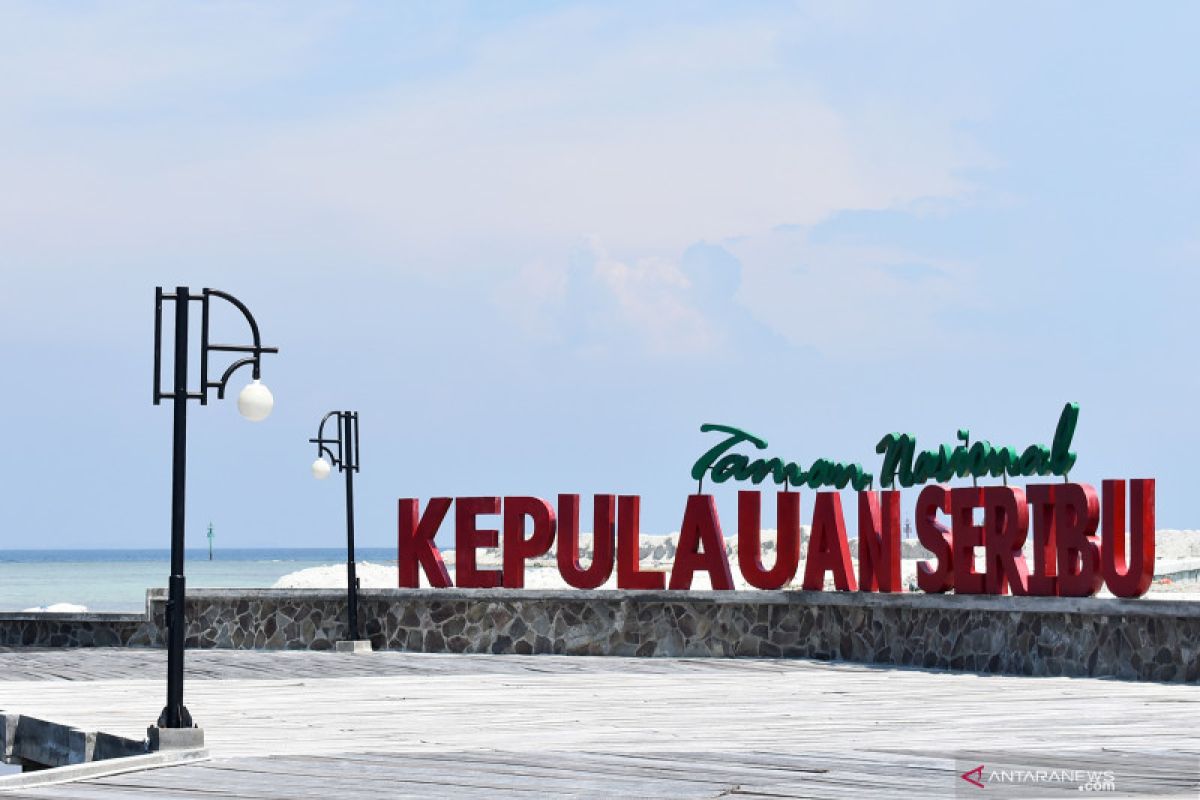
Kepulauan Seribu Islands, part of Jakarta province in Indonesia, experienced a significant influx of tourists during the Easter holiday, with 5,450 visitors recorded on Friday, April 3. According to data released by the local tourism and creative economy department, these tourists were transported via three main ports.
The distribution of tourists across the three ports showed that Muara Angke Port received 2,973 tourists, while Baywalk Port welcomed 1,310 visitors, and Tanjung Pasir Port accommodated 1,167 tourists. Sunti Banggaripuan, head of the tourism and creative economy department in Kepulauan Seribu, confirmed that these figures reflect the islands' continued status as a preferred destination for urban tourists.
Event Details
Sunti Banggaripuan noted that the increase in visitor numbers during the Easter holiday is not surprising, as this holiday coincides with a long weekend, enhancing travel and leisure opportunities. She anticipates that the flow of tourists will continue until the end of the weekend, indicating that Kepulauan Seribu Islands still retain their appeal to local residents.
Kepulauan Seribu Islands are considered a nearby tourist destination from the Indonesian capital, making them easily accessible for residents of Jakarta and surrounding cities such as Bogor, Depok, Tangerang, and Bekasi. This geographical proximity makes it an ideal choice for families and individuals looking to escape the hustle and bustle of the city.
Background & Context
Historically, Kepulauan Seribu Islands have been known for their natural beauty and stunning beaches, becoming a favored destination for both local and international tourists. With the increasing awareness of the importance of sustainable tourism, the local government is working to promote eco-tourism and develop infrastructure to make these islands a leading tourist destination.
The Indonesian government aims to boost the tourism sector as part of its economic plans, as tourism is one of the main sources of national revenue. Statistics have shown that tourism significantly contributes to the country's economic growth, making it essential to support and develop this sector.
Impact & Consequences
The rise in tourist numbers during the Easter holiday is a positive indicator of the recovery of Indonesia's tourism sector after the challenges faced due to the COVID-19 pandemic. This recovery can contribute to creating new job opportunities and enhancing the local economy, benefiting local communities.
Moreover, the increased awareness of the importance of sustainable tourism may lead to improved management of natural resources and environmental conservation in Kepulauan Seribu Islands. By promoting eco-tourism, these islands can become a model for achieving a balance between economic development and environmental preservation.
Regional Significance
Although Indonesia is far from the Arab world, there are lessons that Arab countries can learn in the field of tourism. Arab nations, especially those with natural tourist destinations, can draw inspiration from the experience of Kepulauan Seribu in promoting sustainable tourism and developing infrastructure to attract tourists.
Additionally, the heightened awareness of the importance of eco-tourism may encourage Arab countries to develop sustainable tourism projects, enhancing their status as global tourist destinations.