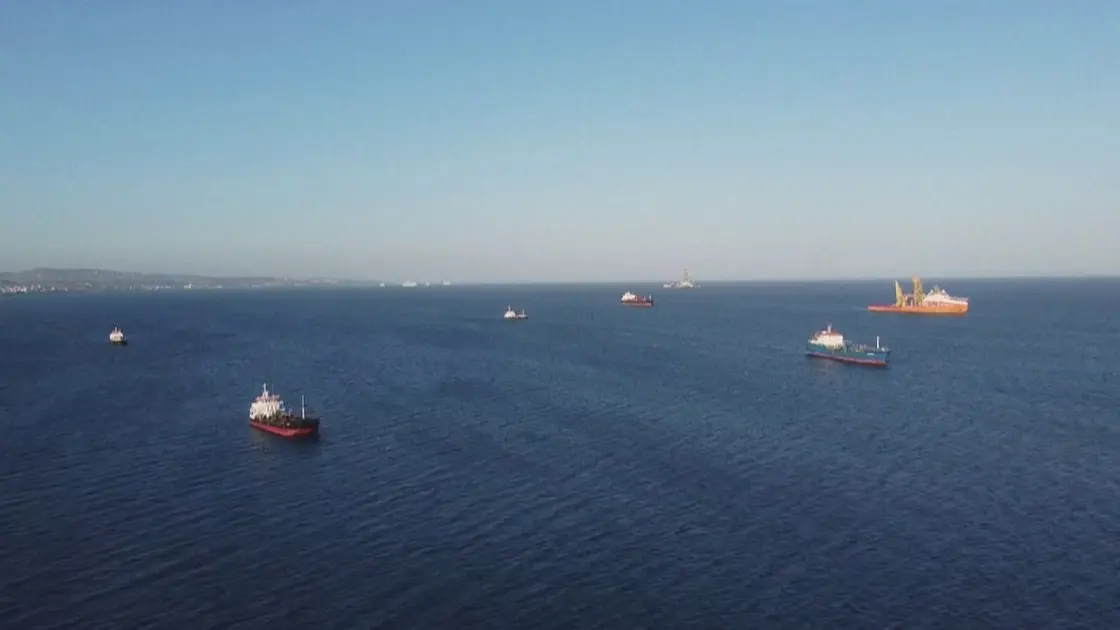
Threats to close Bab el-Mandeb signal a dual crisis that could impact global energy and trade markets. With rising fears of Houthi escalation, shipping and insurance costs are expected to rise, threatening supply chains and increasing inflation risks.
Bab el-Mandeb, which connects the Gulf of Aden to the Red Sea, is a vital strategic point in global trade movement. Approximately 4.2 million barrels of oil and petroleum products pass through it daily, nearly half of the levels seen in 2023. At the same time, the Strait of Hormuz, the largest artery for oil and gas exports from the Gulf, is facing increasing pressures.
Details of the Situation
Concerns are growing that closing Bab el-Mandeb could lead to a double shock in energy markets, coinciding with disruptions in shipping traffic through the Strait of Hormuz. This means that any disruption in these two vital corridors will not only affect the quantities of oil disrupted but will also extend to transportation costs and insurance premiums, thereby increasing prices of food and industrial goods.
According to data from the U.S. Energy Information Administration, liquefied natural gas flows through Bab el-Mandeb were nearly nonexistent in 2024 and the first half of 2025, reflecting security risks and rising insurance costs. This indicates that gas no longer passes through the strait, but it remains crucial for oil and product movement.
Background & Context
The Suez Canal, through which about 10% of global maritime trade passes, is a key link between Asia and Europe. Reports have shown that disruptions in the Red Sea led to a 50% drop in trade transiting the canal at the beginning of 2024, prompting some vessels to reroute around the Cape of Good Hope, which increased shipping costs.
UNCTAD predicts that rerouting ships around the Cape of Good Hope will increase the distance between Shenzhen in China and Rotterdam in Europe from 10,000 nautical miles to 13,000, resulting in an increase in travel time from 31 days to 41 days.
Impact & Consequences
The implications of closing Bab el-Mandeb extend beyond mere time delays, as longer routes consume additional shipping energy, reducing the number of possible trips for the fleet. Diverting ships away from the Red Sea has increased global demand for vessels by 3%, creating additional pressure on global capacity.
In terms of energy, closing Bab el-Mandeb alongside the closure of Hormuz will lead to a global transport crisis. Approximately 20.9 million barrels of oil passed through the Strait of Hormuz in the first half of 2025, highlighting the importance of these two corridors in global energy supplies.
Regional Significance
Egypt is particularly affected by these developments, as pressure on the Suez Canal adds additional economic strains. Closing Bab el-Mandeb could increase the delivery time of goods from Asia to Europe, impacting prices in local markets.
Ultimately, it is clear that the impact is no longer confined to a specific region but affects the entire global economy. Disrupting these two vital corridors will lead to rising prices and increased costs, threatening economic stability in many countries.