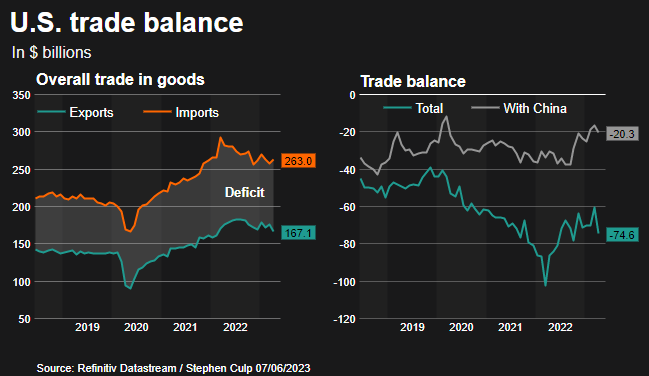
Official economic sources have announced a decrease in the trade deficit by 26%, attributed to an increase in exports and a decline in imports. These figures reflect the government's efforts to enhance local production and improve the trade balance.
Data indicates that exports have witnessed remarkable growth, contributing to narrowing the gap between exports and imports. Conversely, imports have recorded a significant decline, reflecting an improvement in the competitiveness of local products.
Details of the Event
According to reports, exports increased by 15% during the last quarter of the year, while imports decreased by 10%. This improvement in the trade balance is a positive indicator of the health of the national economy.
The main exports include agricultural and industrial products, which have seen rising demand in foreign markets. Additionally, the decline in imports is partly due to rising global prices for certain goods, prompting consumers to seek local alternatives.
Background & Context
These developments come at a time when the government is striving to achieve sustainable development goals and enhance economic growth. Since the beginning of the year, several policies have been implemented aimed at supporting productive sectors and reducing reliance on imports.
Historically, the trade deficit has posed a significant challenge to the economy, affecting the local currency and increasing inflationary pressures. However, the current improvement is a positive step towards achieving economic stability.
Impact & Consequences
The reduction in the trade deficit could lead to an improved credit rating for the country, facilitating access to external financing and boosting investments. Furthermore, increased exports mean more job opportunities and improved living standards.
Moreover, this improvement may contribute to enhancing confidence in the national economy, attracting more foreign investments. Amid global economic challenges, this achievement is a significant step towards achieving economic sustainability.
Regional Significance
These figures are important not only at the local level but also regionally. Amid the economic crises faced by some Arab countries, this experience could serve as a model to emulate.
Enhancing exports and reducing reliance on imports can have a positive impact on economic stability in the region, helping other countries face economic challenges.
In conclusion, the decline in the trade deficit is a positive step towards achieving sustainable economic growth. It requires continued government efforts to support productive sectors and enhance the competitiveness of local products.