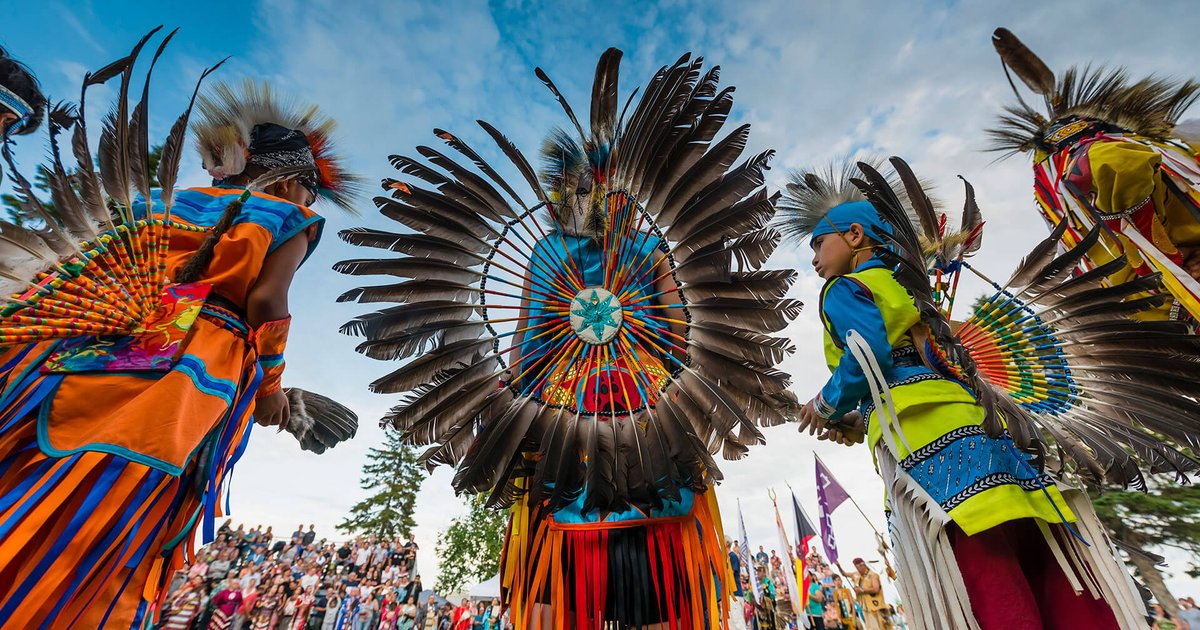
A small island in Quebec, Canada, celebrates an ancient tradition that once challenged the Catholic Church, even as the number of fasting practitioners declines. In the middle of Lent, island residents come together to celebrate by wearing masks and dancing, showcasing their attachment to their cultural and religious heritage.
Despite a significant decrease in the number of fasting practitioners on the island, the celebrations continue to attract many locals and visitors. This tradition is characterized by an atmosphere of joy and fun, where participants don colorful masks and perform traditional dances that reflect their rich history.
Event Details
These celebrations are considered part of the island's heritage, having previously served as a form of challenge to the religious authority that dominated people's lives. Today, with the diminishing influence of the church, these festivities symbolize cultural freedom and local identity.
The events include a variety of activities, such as musical performances and folk dances, which help strengthen social bonds among residents. They also provide an opportunity for visitors to learn about the local culture and the island's rich history.
Background & Context
Historically, Lent was seen as a time for reflection and worship in the Catholic faith, where believers were required to abstain from eating meat and celebrate certain days. Over time, these traditions have declined in many communities, including Quebec Island, where the number of fasting practitioners has significantly decreased.
Nevertheless, the island's residents still cherish their traditions and view the celebrations as an opportunity to honor their cultural identity. This phenomenon reflects the social and religious transformations that Western societies have undergone, where adherence to cultural traditions has become increasingly important amid rapid changes.
Impact & Consequences
The celebrations on Quebec Island demonstrate how ancient traditions can adapt over time and remain alive in people's hearts. These events are not merely festivities; they also serve as a means to enhance cultural identity and strengthen social ties across generations.
Moreover, these celebrations contribute to boosting tourism in the region, as the joy and fun attract many visitors eager to experience the local culture. Consequently, the festivities support the local economy and raise cultural awareness.
Regional Significance
Although this event takes place in Canada, it can be linked to many cultural and religious phenomena in the Arab world. Just as Arabs celebrate their cultural and religious traditions, the residents of Quebec demonstrate that holding onto heritage can be a source of pride and identity.
These celebrations highlight the importance of preserving cultural heritage in the face of social changes, a lesson that Arabs can learn from in enhancing their cultural identity in a changing world.