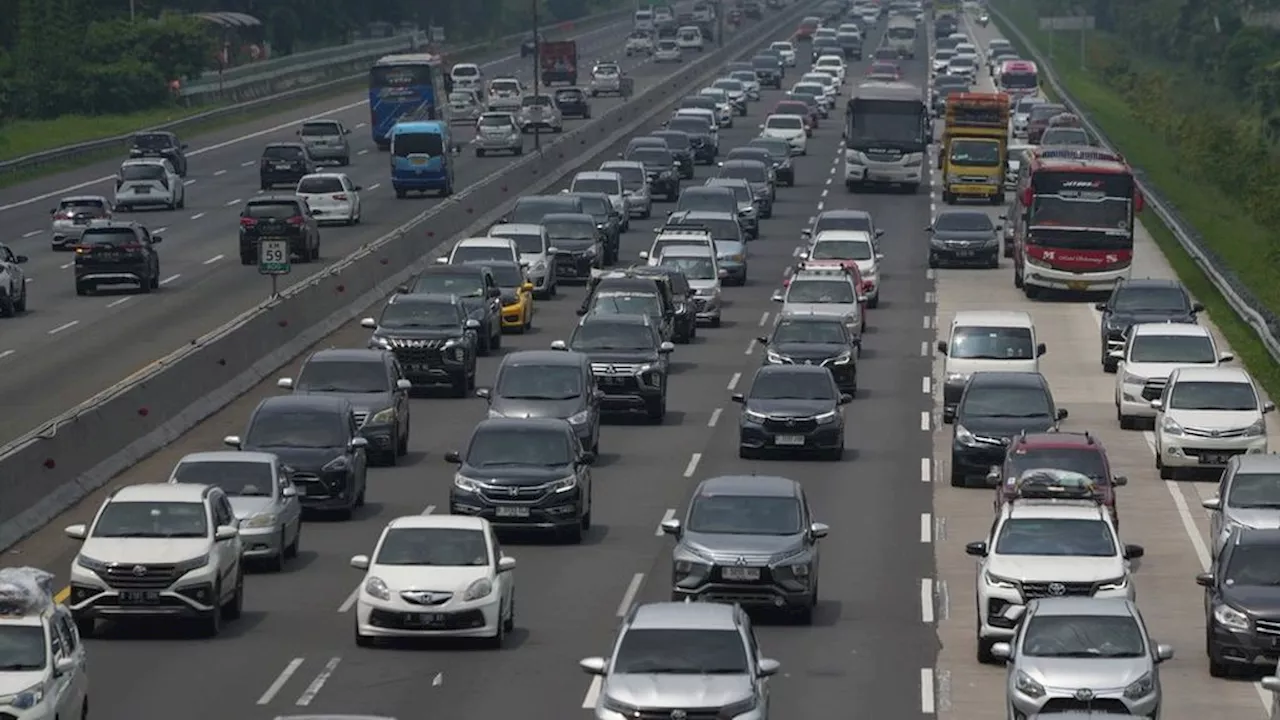
Traffic at the Cikampek main entrance (GT Cikampek Utama) in Karawang, West Java, has experienced a noticeable decline in the number of vehicles heading towards Jakarta seven days after Eid al-Fitr, with approximately 17,000 vehicles recorded during peak hours on Saturday, March 28, compared to 87,000 vehicles the day before.
Ria Marlinda Palo, spokesperson for Jasamarga Transjawa Toll, reported that the figures indicate a clear reduction in traffic, with 25,000 vehicles recorded during the same period the previous day. She confirmed that the company continues to monitor traffic from various directions, especially from Semarang and Batang.
Details of the Event
The return period after Eid al-Fitr is one of the busiest times on the roads in Indonesia, as many people head to major cities after spending the holiday in rural areas. It is expected that March 28 and 29 will see peak traffic, with an estimated 90,000 vehicles heading towards Jakarta during the second return peak, with 22 to 24 gates provided at the entrance to facilitate traffic flow.
In the same context, approximately 2,946,891 vehicles have exited Jakarta, while 2,561,629 vehicles have entered the city by Saturday morning.
Background & Context
Traffic in Indonesia is an important topic, especially during holidays and national events. In recent years, the country has seen a significant increase in the number of vehicles, leading to increased traffic congestion. Data has shown that the number of vehicles in Indonesia has doubled significantly over the past decade, necessitating improvements in infrastructure and the development of traffic management strategies.
Eid al-Fitr is a special occasion in Indonesia, where millions of people travel to their hometowns to celebrate with family. This tradition, known as Mudik, contributes significantly to increased traffic, requiring authorities to take special measures to ensure the safety and comfort of travelers.
Impact & Consequences
The decline in traffic after Eid al-Fitr indicates that many people have returned to their daily lives, which may alleviate traffic congestion in the coming days. However, the challenge remains in managing traffic during future events, as effective strategies are required to handle the large numbers of vehicles.
Moreover, the decrease in traffic accidents by 7.8%, as noted by the Indonesian Police Chief, reflects the authorities' efforts to enhance road safety, which may encourage more people to use public transport or plan their trips better.
Regional Significance
Indonesia's experience in managing traffic during holidays serves as an important lesson for many Arab countries, which face similar challenges during religious and national events. Arab nations can benefit from Indonesia's strategies in improving infrastructure and developing public transport systems to reduce traffic congestion and enhance safety.
In conclusion, the topic of traffic management in Indonesia remains a vital issue that requires further research and development, especially with the increasing number of vehicles. Improving infrastructure and developing effective strategies can contribute to enhancing the travel experience for citizens.