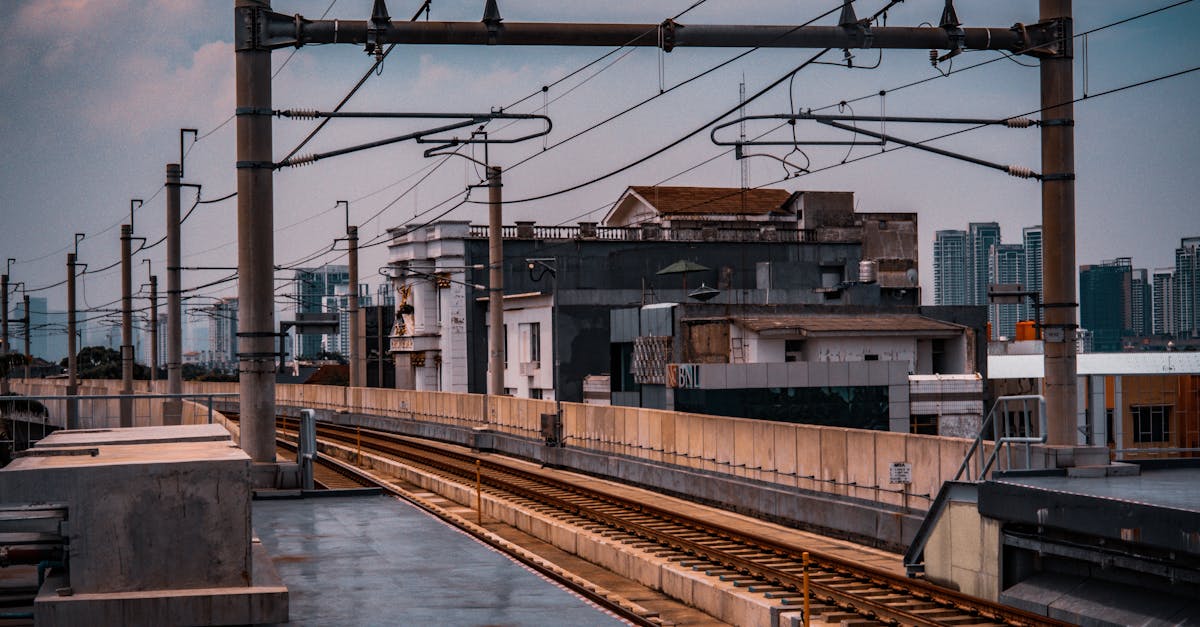
On the evening of Monday, April 27, Indonesia witnessed a tragic collision between a commuter train and a long-distance train at Bekasi Timur station, leading to the deaths of 15 individuals and injuring 88 others. Indonesian Deputy Minister of Transportation, Suntana, expressed his apologies for the disruptions caused by this incident, indicating that the government is currently focused on relief efforts.
Suntana confirmed in his statements that the priority now is to complete the evacuation of victims from the accident site, as rescue teams continue to work on addressing the situation. He expressed gratitude for the support received from citizens, which has helped expedite relief operations.
Details of the Incident
The accident occurred late at night when a commuter train carrying passengers collided with a long-distance train at Bekasi Timur station, located in West Java province. All victims were transported to RS Polri Kramat Jati hospital for identification and to provide necessary medical care for the injured.
PT Kereta Api Indonesia announced that it will fully refund the tickets of affected passengers, confirming that all procedures will be easily accessible through various service channels. Anne Purba, the Deputy Head of Corporate Communications at the company, noted that this decision aims to provide reassurance to the affected passengers.
Background & Context
The railway network in Indonesia is considered one of the most important public transportation means, connecting many major cities. However, railway-related accidents are not uncommon, as the country has witnessed several similar incidents in recent years. This is partly due to the challenges facing the country's transportation infrastructure.
The Indonesian government is striving to improve and modernize the public transportation system, but incidents like this highlight the urgent need for further investments in safety and infrastructure. Reports have confirmed that there is a need to enhance safety standards in railways to prevent such accidents in the future.
Impact & Consequences
The recent accident underscores the risks associated with public transportation in Indonesia and raises questions about the efficiency of the current system. It also places pressure on the government to improve safety standards and provide a safer environment for passengers.
This incident is expected to affect transportation in the region, as passengers may take additional precautions before traveling. Furthermore, the accident may lead to a comprehensive review of railway safety policies, which could require additional investments in infrastructure.
Regional Significance
Although the accident occurred in Indonesia, it reminds us of the importance of improving transportation systems worldwide, including in Arab countries. Many Arab nations face similar challenges in public transportation, necessitating investments in infrastructure and the implementation of safety standards.
Arab countries could benefit from Indonesia's experience in handling accidents and improving transportation systems, which would enhance safety and reduce travel-related risks.