In a new escalation, Israeli airstrikes targeting southern Lebanon on Monday led to the death of four people, including a woman, and injured 51 others, among them three children. These events come at a sensitive time, as relative calm had prevailed following a period of tension between Israel and Hezbollah, prompting questions about the future of potential negotiations with Israel.
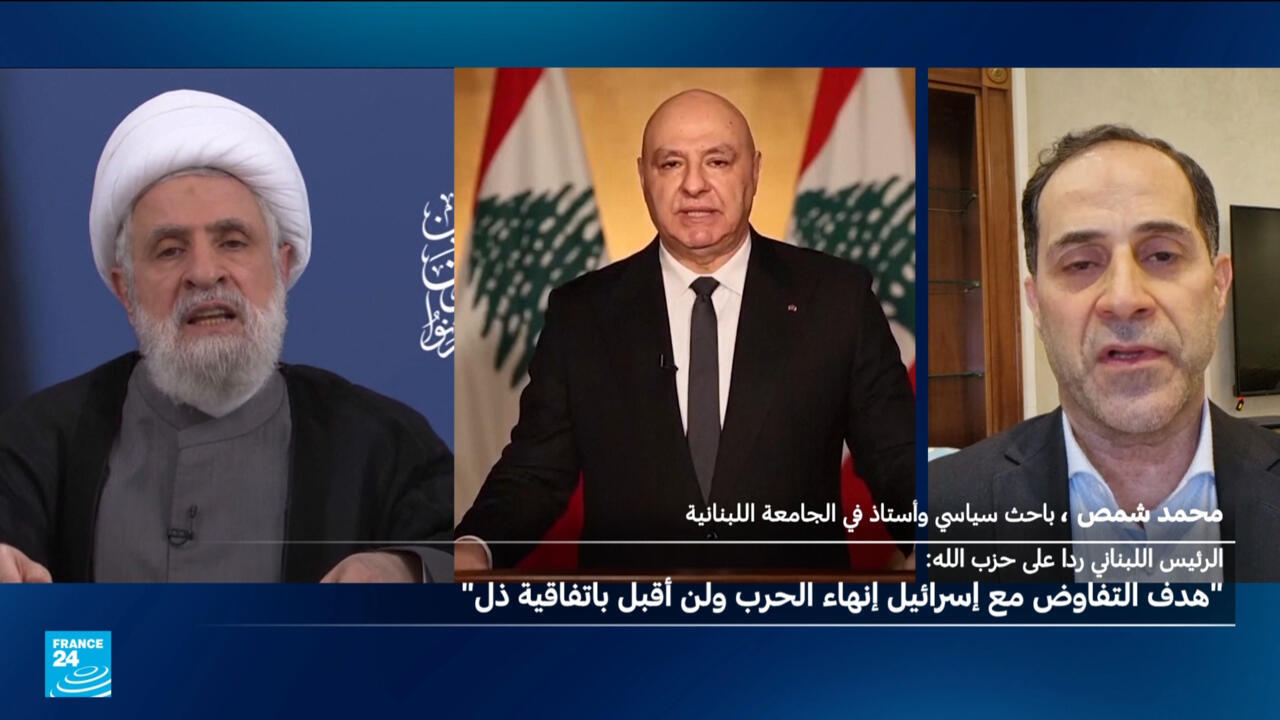
In this context, Lebanese President Joseph Aoun confirmed that the goal of direct negotiations with Israel is to end the war. He pointed out that those who bear responsibility for dragging the country into conflict are committing treason against the nation.
Details of the Airstrikes
Reactions to these airstrikes continue to unfold, with some considering them an unjustified escalation, while others are calling for the resumption of dialogue with the Israeli side. These events have impacted the security situation in the region, complicating the political landscape further.
More information regarding potential negotiations with Israel is expected to emerge in the coming days, as attention turns to both international and local reactions.
Background & Context
These airstrikes occur at a time when the region is experiencing increasing tensions, following previous attempts to conduct negotiations aimed at achieving peace. However, military escalation could negatively affect these efforts.
Impact & Consequences
These events underscore the urgent need for dialogue and negotiation, as the continuation of violence may exacerbate the humanitarian situation in Lebanon and increase the suffering of civilians.
Regional Significance
The implications of these airstrikes extend beyond Lebanon, as they highlight the ongoing tensions in the region and their potential impact on security and stability. The international community is closely monitoring the situation, and the response from various countries may influence future diplomatic efforts.
In conclusion, the recent Israeli airstrikes have reignited discussions surrounding the peace process and the necessity for renewed negotiations. As the situation develops, the focus will remain on how both local and international actors respond to these critical events.