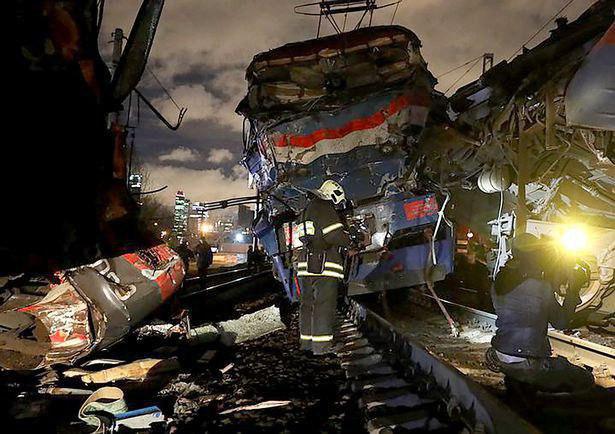
A train derailed on the Moscow-Chelyabinsk line early this morning, resulting in injuries to 55 individuals. The incident caused chaos as emergency services rushed to the site to provide assistance to those affected.
Initial reports indicate that the train was on a routine journey when it overturned for reasons that are still under investigation. The injured were transported to nearby hospitals for treatment, while local authorities initiated a comprehensive investigation to determine the circumstances surrounding the incident.
Details of the Incident
The accident occurred in a rural area, making access to the site a significant challenge. Images circulated on social media showed the train overturned on its side, with several passengers trapped inside. Special equipment was utilized to rescue the passengers and extricate them from the train.
Among the injured, serious injuries were reported for several passengers, necessitating urgent medical intervention. Officials have stated that the situation is under control and that rescue teams are working efficiently to provide the necessary assistance.
Background & Context
Train accidents are a common occurrence in Russia, with the country experiencing several similar incidents in recent years. Some of the reasons for these accidents can be attributed to outdated infrastructure and a lack of necessary maintenance for the railways. These incidents have raised significant concerns regarding railway safety in the country.
In recent years, the Russian government has increased investments to improve the railway network; however, accidents continue to happen, raising questions about the effectiveness of these efforts. There are also growing calls from citizens for improved safety standards in public transportation.
Impact & Consequences
The repercussions of this incident extend beyond the humanitarian aspects, as it is likely to affect passenger confidence in railway services. This could lead to a decrease in the number of passengers, impacting the financial revenues of transport companies. Additionally, the accident may spark renewed calls for radical changes in safety and transport policies.
Furthermore, the incident may increase pressure on the Russian government to provide compensation to the injured and their families, which could affect the public budget. Investigations may also reveal deeper issues related to the management of transport services.
Regional Significance
While the incident seems to have occurred far from the Arab region, transportation accidents remain a significant issue affecting all countries. This incident could serve as a reminder for Arab nations of the necessity to improve safety standards in public transportation, especially with the increase in major transport projects.
Similar accidents could also impact tourism and transport between countries, necessitating preventive measures to ensure passenger safety. It is essential for Arab nations to learn from the experiences of other countries in improving transport systems and avoiding accidents.
In conclusion, there is hope that the investigations will yield results that help enhance railway safety in Russia, and that this incident will serve as a catalyst for improving safety standards worldwide.