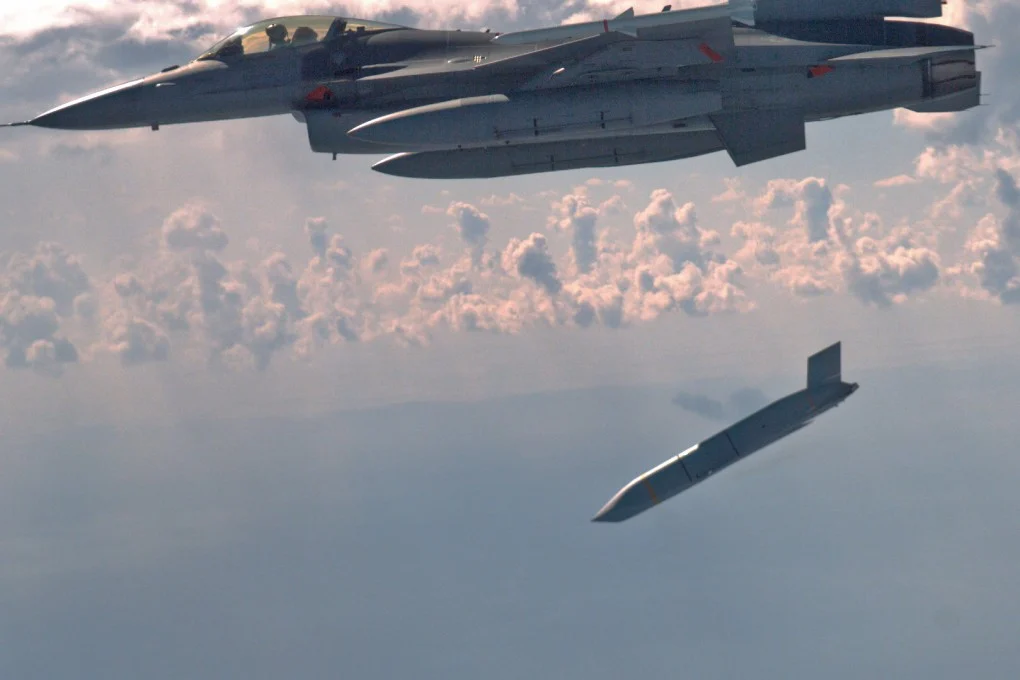
The U.S. Department of Defense (Pentagon) has announced the transfer of most of its stockpile of JASSM-ER long-range guided missiles from the Pacific to the Middle East. This decision comes at a sensitive time as tensions in the region escalate, potentially indicating constraints in U.S. arms supplies in the ongoing conflict against Iran. This maneuver is not merely a redistribution of weapons; it also bears strategic implications concerning U.S. interests in the Pacific region.
According to U.S. media reports, this decision reflects a shift in Washington's priorities as it seeks to assert its military presence in the Middle East amid rising threats from Iran. This move serves as a clear signal to both friends and foes that the United States is focusing its attention on security challenges in the region, which may affect military balances in the Pacific.
Details of the Missile Transfer
The JASSM-ER missiles are among the most advanced weapons in the U.S. arsenal, boasting a range of up to 1,000 kilometers, allowing for precise targeting of distant objectives. The transfer of these missiles to the Middle East may also reflect the United States' readiness to confront any potential threats from Iran, especially in light of increasing tensions surrounding its nuclear program.
This move follows a series of military maneuvers and hostile statements from Iran, intensifying tensions in the region. Additionally, this decision may raise concerns among allies in the Pacific, who might feel that the United States is diminishing its commitment to them under these circumstances.
Background & Context
Historically, the United States has viewed the Pacific as a strategically important region, seeking to strengthen its alliances with friendly nations such as Japan, South Korea, and Australia. However, recent events, including escalating threats from China and Iran, have prompted Washington to reassess its military strategy.
In recent years, relations between the United States and Iran have become increasingly strained, particularly following Washington's withdrawal from the nuclear agreement in 2018. This withdrawal has led to heightened military tensions, making it imperative for the United States to bolster its military presence in the region.
Impact & Consequences
This step by the United States represents a radical shift in its military strategy and may lead to increased tensions in the region. Iran may perceive this move as a provocation, potentially resulting in military escalation. On the other hand, allies in the Pacific may feel concerned that the United States could be less invested in their security under these circumstances.
These developments also carry implications for global markets, as they could lead to rising oil prices due to escalating tensions in the Middle East.
Regional Significance
The transfer of U.S. missiles to the Middle East is a significant indicator of a strategic shift in American policy towards the region, which could influence military balances. This action not only underscores the U.S. commitment to countering Iranian threats but also raises questions about the future of U.S. alliances in the Pacific.
In conclusion, the implications of this missile transfer extend beyond immediate military concerns, potentially reshaping geopolitical dynamics in both the Middle East and the Pacific.