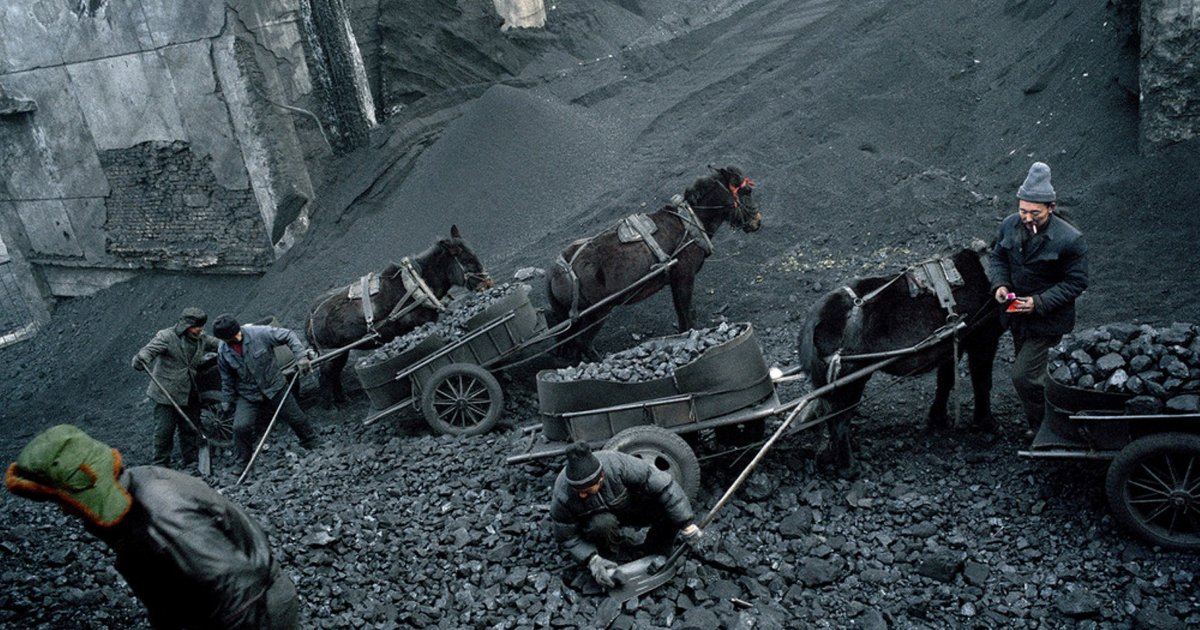
In a pioneering environmental step, the village of Dujiaguo in Datong, located in Shanxi Province in northern China, has begun the process of transforming coal waste into green lands. This transformation follows the implementation of a comprehensive scientific plan aimed at addressing the environmental challenges resulting from the accumulation of coal waste, commonly referred to as "coal garbage."
This initiative demonstrates Shanxi Province's commitment to confronting environmental challenges, with the official implementation of the "Plan for the Repackaging of Coal Pollutants" scheduled to begin on April 1, 2026. The plan aims to tackle the significant waste accumulation resulting from the coal industry, which poses a persistent environmental threat.
Details of the Initiative
The new plan involves the use of innovative environmental repackaging methods to handle coal waste, with facilities constructed for environmental protection at waste disposal sites. These facilities include monitoring wells, horizontal and vertical drainage systems, water retention dams, and slope protection structures. Heavy machinery such as loaders and tractors are utilized on-site, where the waste is repackaged in layers, facilitating a gradual covering of the land.
This initiative takes advantage of natural valleys for waste storage, reducing the need for new land for waste disposal. Once the waste is covered with soil, the treated areas can be transformed into agricultural lands or forests, bringing life back to unused lands.
Background & Context
Shanxi Province is one of China's largest coal-producing regions and has faced increasing pressure in recent years due to the large quantities of coal waste it generates. Although the Changchunxing coal mine has been classified as a green mine at the provincial level, it has faced similar challenges in waste management.
Historically, coal waste has represented a significant environmental burden, causing air and groundwater pollution. However, current initiatives aim to turn this burden into an opportunity by leveraging available natural resources.
Impact & Consequences
This initiative illustrates how environmental innovations can lead to economic benefits. The cost of processing coal waste has decreased from 47 yuan (approximately $6.8) to 37 yuan (approximately $5.4) per ton, saving companies around 15 million yuan annually. Additionally, these new methods enhance geological stability and reduce pollution risks.
These efforts seek to achieve a balance between economic development and environmental protection, paving the way for a more sustainable future in the coal industry.
Regional Significance
This initiative serves as a model for Arab countries facing similar environmental challenges, particularly given their heavy reliance on extractive industries. Arab nations can draw from these experiences to develop effective waste management strategies and achieve sustainable development.
In conclusion, Shanxi Province's efforts in recycling coal waste represent a significant step towards achieving sustainable development, opening new avenues for environmental cooperation among nations.