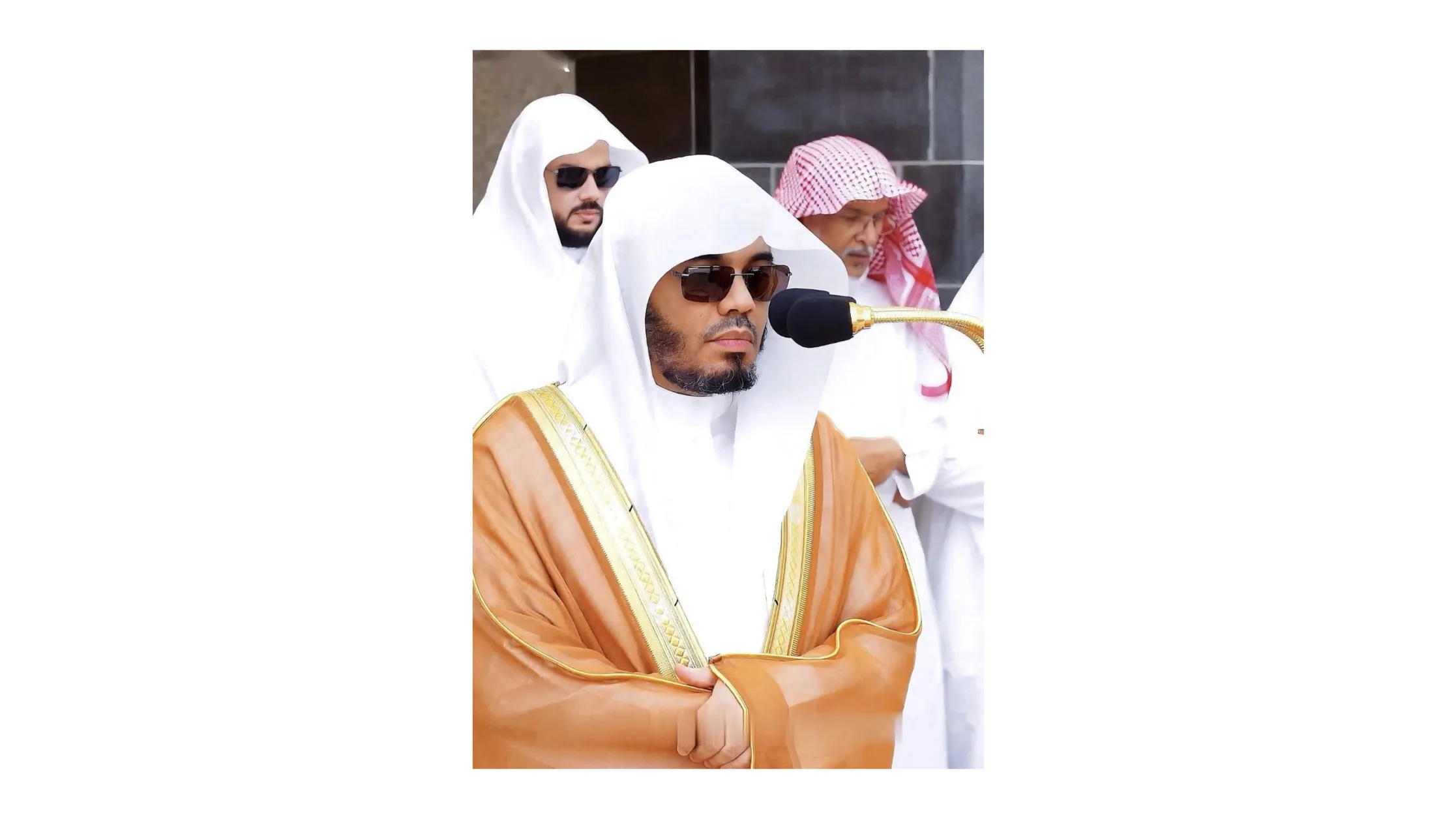
Amid the increasing challenges facing Arab societies in the information age, Yasser Al-Zayat, a prominent activist in the field of digital media, stressed the importance of transforming the culture of information verification into a widespread community practice. Al-Zayat pointed out that this culture must become an integral part of individuals' daily lives, especially in light of the proliferation of fake news and misleading information that negatively impacts public awareness.
During his remarks at a seminar on digital media, Al-Zayat explained that verifying information is not merely a technical skill but a social responsibility that requires everyone's cooperation. He asserted that promoting this culture can contribute to building an aware society capable of distinguishing between facts and falsehoods.
Event Details
Al-Zayat's statements came at a time when the Arab world is witnessing a surge in the phenomenon of fake news, with studies showing that a significant percentage of users do not verify the source of information before sharing it. In this context, Al-Zayat called for the integration of information verification skills into educational curricula, starting from early schooling stages.
He also highlighted the crucial role of media in raising awareness about how to verify information, emphasizing that the media should serve as a model in this field. He noted that there is an urgent need to develop tools and techniques that help individuals verify information easily and effectively.
Background & Context
The culture of information verification is a vital issue in the digital age, where information spreads rapidly through social media. Research has shown that fake news can influence political and social decisions, underscoring the importance of enhancing verification culture.
In recent years, many Arab countries have witnessed initiatives aimed at promoting media literacy; however, challenges remain. With the increasing use of smartphones and social media, misleading information can spread easily, necessitating greater efforts from all stakeholders involved.
Impact & Consequences
If the culture of information verification is strengthened, it will contribute to improving the quality of public discussions and reducing social divisions caused by misleading information. It could also lead to increased trust in media institutions, enhancing their role as reliable sources of information.
Furthermore, promoting this culture can help improve citizens' political awareness, leading to more effective participation in political life. Thus, this matter represents a step towards building a more aware and responsible democratic society.
Regional Significance
In the Arab region, where many countries suffer from political and economic crises, enhancing the culture of information verification becomes essential. Misleading information can exacerbate crises and deepen divisions, calling for collective efforts to confront it.
The experiences of some countries that have successfully promoted this culture, such as Tunisia, can serve as a model to emulate. Initiatives aimed at enhancing media awareness among youth have contributed to improving the quality of public discussions.
In conclusion, transforming the culture of information verification into a widespread community practice requires integrated efforts from all segments of society, from individuals to educational and media institutions. The future depends on our ability to distinguish between facts and lies, and to build an aware society capable of facing challenges.