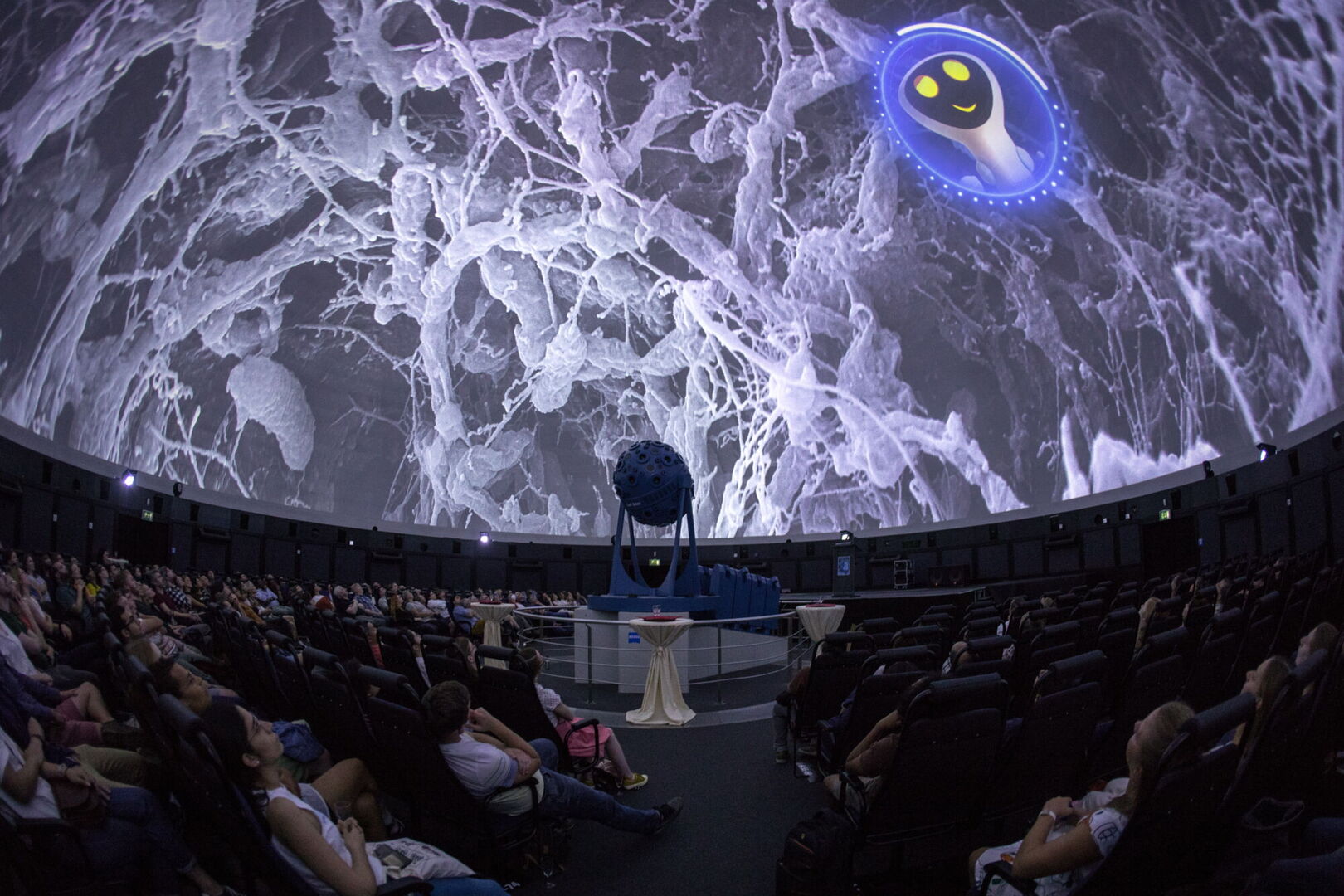
Jakarta's Deputy Governor, Rano Karno, expressed his hope that public spaces like Earth could be utilized as venues for educational film screenings during a group viewing event of the film 'Rainbow on Mars'. The event, held on March 27, 2026, saw the attendance of 230 children from the Jakarta Pintar program and 169 children from orphanages, where the film, which carries important educational messages, was screened.
Rano emphasized that the Jakarta government supports the national film industry as part of its efforts to transform the capital into a world-class cinematic city. He noted that these events are not limited to entertainment but aim to enhance social and environmental awareness among children, contributing to building a more cohesive community.
Event Details
The event, held in the Karet Kuningan area, showcased a film that carries messages about diversity and acceptance, aligning with Jakarta's vision as a city that embraces all cultures. Rano confirmed that the event aims to bring joy to children's hearts and enhance their sense of responsibility towards their surrounding environment.
He also highlighted the importance of cinema in shaping children's awareness and promoting values of cooperation and tolerance. The event witnessed significant interaction from the children, who expressed their happiness in participating in an event that combines fun and benefit.
Background & Context
Jakarta is one of the largest capitals in Southeast Asia and faces significant challenges related to cultural and environmental diversity. In recent years, the Indonesian government has sought to promote arts and culture as a means of social communication and to enhance national identity. Cultural events like this reflect the government's commitment to promoting education and entertainment simultaneously.
Historically, cinema in Indonesia has suffered from a lack of government support, but with the growing interest in the film industry, the government has begun to take positive steps to support local cinema, contributing to the enhancement of the country's cultural identity.
Impact & Consequences
Transforming public spaces into venues for educational film screenings could change the way children consume knowledge and entertainment. These initiatives enhance children's critical thinking abilities and open new horizons for learning. Furthermore, such events may inspire other cities in the region to adopt similar models, thereby enhancing cinematic culture worldwide.
Moreover, the Indonesian government's support for the national film industry reflects its commitment to promoting the arts as part of social and economic development. This type of support can lead to increased local film production, contributing to job creation and boosting the local economy.
Regional Significance
Cinema and the arts, in general, are effective tools for promoting understanding between cultures. In the Arab world, there is a growing interest in developing the film industry, and these initiatives in Indonesia could serve as a model to emulate. Arab countries can benefit from positive experiences in promoting arts and culture as a means of social communication and enhancing national identity.
In conclusion, cultural events such as educational film screenings reflect the importance of the arts in building communities and promoting human values. The Indonesian government's support for these initiatives could open new avenues for cultural cooperation between countries, contributing to enhancing peace and understanding among peoples.