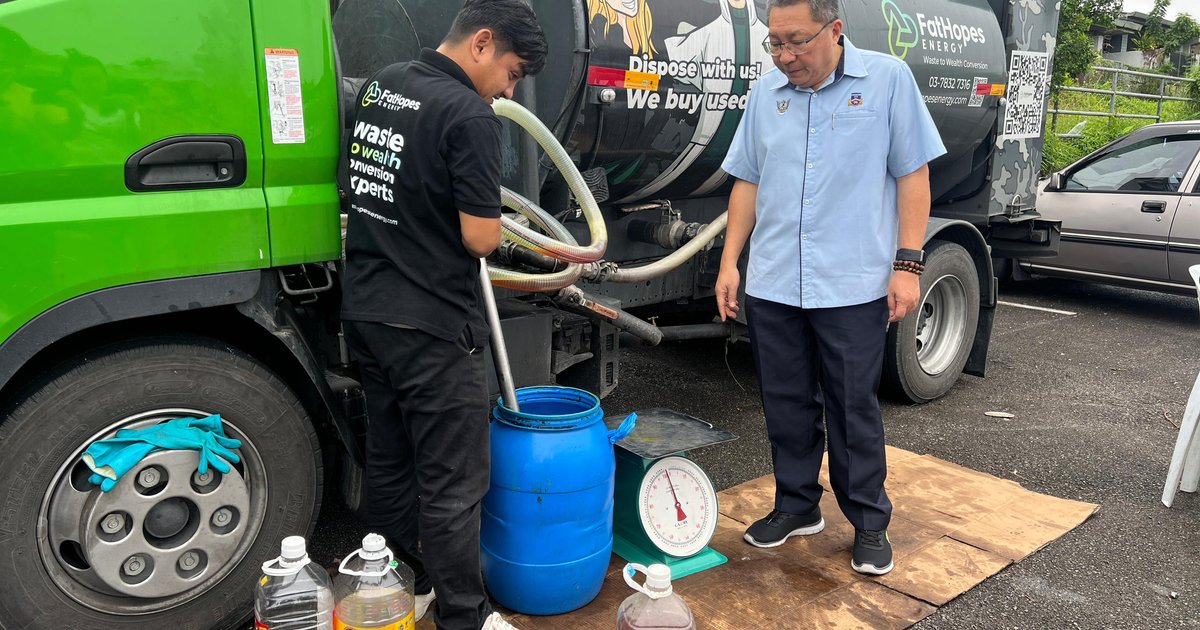
As part of its efforts to reduce waste and promote sustainability, the 'Sakura' waste bank in South Jakarta is transforming used cooking oil into usable soap. This initiative, implemented in RW 05, demonstrates how local communities can play an effective role in addressing environmental issues.
According to bank members, the process of converting the oil takes about two weeks and uses simple ingredients including used cooking oil, caustic soda, water, and natural colors. The resulting soap is sold at a price of around 2,500 Indonesian rupiah per piece, providing a new economic opportunity for local residents.
Event Details
The waste bank activities are held bi-weekly, where local residents participate in the conversion process. In addition to cooking oil, the bank also recycles paper waste, such as old newspapers, turning them into craft products like decorative lighting. These activities not only contribute to waste reduction but also enhance the spirit of cooperation among community members.
This project is part of a larger plan aimed at establishing 579 waste banks in South Jakarta by 2026, contributing to improved waste management and enhancing the economic value of the community.
Background & Context
Jakarta, with a population of approximately 2.3 million, faces a significant waste management challenge, producing around 1,900 tons of waste daily. In this context, the local government seeks to promote the concept of a circular economy by establishing waste banks, helping to reduce waste and achieve sustainability goals.
Historically, waste management in Indonesia has faced significant challenges, but community initiatives like the 'Sakura' waste bank show how local communities can be part of the solution. These efforts enhance environmental awareness and contribute to improving the quality of life in urban areas.
Impact & Consequences
This initiative serves as a model to be emulated in many countries, demonstrating how local innovation can make a difference in addressing environmental issues. By converting waste into valuable products, communities can achieve economic and social benefits.
Moreover, this type of project is a step towards achieving sustainable development goals, as it raises environmental awareness and encourages recycling. It also contributes to the goal of 'zero waste' by 2050, a target many countries are striving to achieve.
Regional Significance
The experience of the 'Sakura' waste bank is an example that can be beneficial in Arab countries, where many cities face similar waste management problems. Arab nations can draw inspiration from such initiatives to develop local solutions that enhance sustainability and reduce waste.
In light of increasing environmental challenges, such initiatives are essential for achieving sustainable development in the Arab region, contributing to improved quality of life and bolstering the local economy.