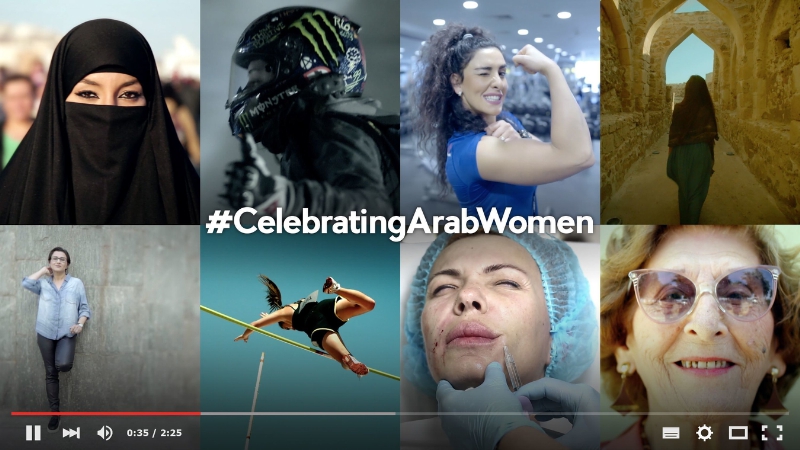
Increasing questions arise about the concept of 'singleness' amid social pressures and societal judgments. Can this state evolve into a position of strength and dignity for women in Arab communities? In a world full of challenges, many women in Arab societies stand out as examples of independence and strength, prompting a reevaluation of traditional marriage concepts.
Singleness is a social phenomenon related to not marrying at the expected time, often classified as a stigma. However, many women reject this classification, considering that being single can be a conscious choice reflecting personal strength and decision-making independence.
Event Details
Reports indicate a growing number of women preferring to focus on their professional careers and skill development rather than engaging in traditional relationships. This shift reflects a change in social values, as many women prioritize achieving personal goals before contemplating marriage.
Studies suggest that singleness is not merely an individual condition but a phenomenon reflecting social and economic changes in Arab societies. With increasing education and economic opportunities, women have become more capable of making their own decisions freely.
Background & Context
Historically, Arab societies placed significant pressure on women to marry at a young age. However, cultural and social changes in the region over recent decades, including rising education levels, have contributed to altering this perspective. Today, many women prefer singleness as a lifestyle choice.
This phenomenon is also influenced by economic factors, as women seek financial independence before considering marriage. This trend reflects a shift in the traditional roles assigned to women in Arab societies.
Impact & Consequences
Singleness affects society in multiple ways. On one hand, it may lead to a reassessment of women's social roles, enhancing their status in society. On the other hand, this phenomenon may provoke negative reactions from some groups that still cling to traditional values.
These social changes require responses from governments and communities to provide a supportive environment for women, contributing to the enhancement of their rights and status. Furthermore, this phenomenon may open the door to broader discussions about women's rights and equality in society.
Regional Significance
Singleness is a concern for many Arab countries, with opinions varying from one community to another. In some countries, it is viewed as a social issue needing solutions, while in others, it is considered a personal choice reflecting a development in thinking.
This phenomenon requires Arab societies to consider how to support women in their choices, whether related to marriage or singleness. It is essential that women are given the opportunity to choose freely without social pressures.
In conclusion, it can be said that singleness is not merely a negative condition but an opportunity to rethink women's social roles. We must all work to promote women's rights and support their choices, whether in marriage or singleness.