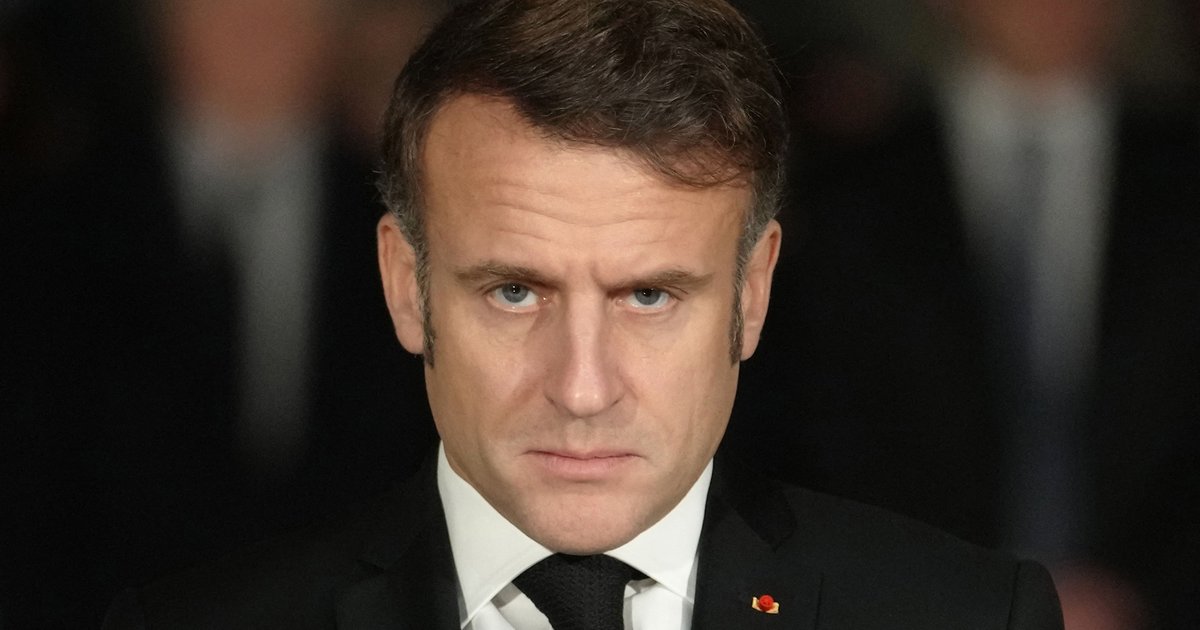
The trial of artist Belou in Guadeloupe has commenced, with the head of state accusing him of inciting a crime through his artistic work. This trial, which took place on March 26, highlights the persistent tensions between France and its former colonies. The case has sparked widespread debate regarding freedom of expression and art, as well as the complex historical relations between France and the Caribbean islands.
The case revolves around an artwork created by Belou, which some view as a form of protest against French policies in the region, while others consider it an incitement to violence. This conflict between freedom of expression and legal considerations underscores the challenges faced by societies in addressing social and political issues through art.
Details of the Event
The trial was held in the city of Pointe-à-Pitre, where a number of supporters and opponents gathered outside the courthouse. Belou stated that his art reflects the social and political reality in Guadeloupe and should not be regarded as incitement. Meanwhile, defense attorneys emphasized that freedom of expression must be respected, even if the opinions expressed are controversial.
Conversely, prosecutors argued that the painting exceeds the boundaries of artistic expression and could lead to dire consequences. This is not the first case of its kind, as Guadeloupe has previously witnessed similar instances involving art and politics.
Background & Context
Historically, Guadeloupe has been a French colony since the 17th century and has experienced numerous social and political tensions over the decades. Following the independence gained by many Caribbean nations, Guadeloupe remains tied to France as part of what is known as the French overseas territories.
The relationship between France and Guadeloupe is complex, with many residents expressing feelings of resentment towards French policies that they perceive as oppressive. This trial comes at a sensitive time, as calls for greater autonomy and recognition of local cultural identity are increasing.
Impact & Consequences
This case represents a true test of freedom of expression in France, as the judicial system must balance the protection of individual rights with the prevention of incitement to violence. If the ruling goes against Belou, it may raise concerns among artists and creatives across the country, potentially leading to a decline in freedom of expression in the arts.
On the other hand, if the ruling favors Belou, it could be seen as a victory for freedom of expression, but it may provoke negative reactions from certain political circles. This tension between art and politics illustrates how cultural issues can influence international relations.
Regional Significance
Although the case pertains to Guadeloupe, it resonates in the Arab region, where many Arab countries face similar issues regarding freedom of expression and art. In recent years, some Arab nations have witnessed trials of artists and creatives due to their artworks expressing political or social opinions.
This case highlights the importance of supporting freedom of expression in the arts as a means of expressing cultural and societal identity, which requires backing from both governments and communities alike.