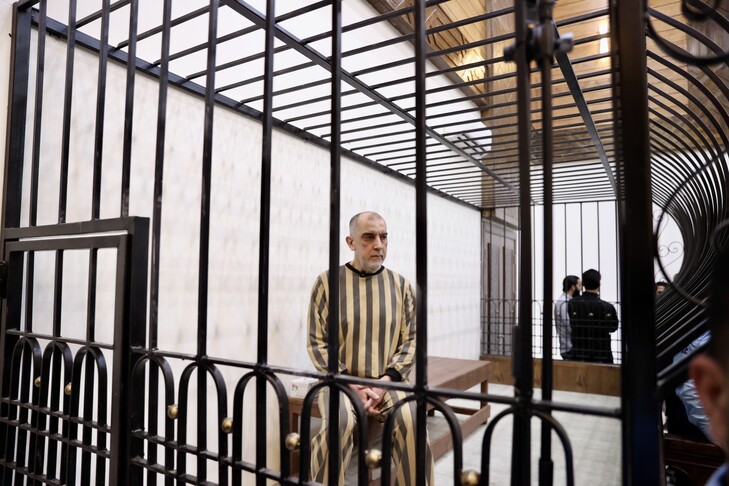
Atef Najib, cousin of Syrian President Bashar al-Assad, appeared for the second time in a Syrian court to face charges related to human rights violations, including murder, torture, and money laundering. This trial comes at a sensitive time for Syria, with increasing international pressure on the regime.
The charges against Najib relate to events that occurred over the past years, where he is alleged to have played a prominent role in the human rights abuses committed against civilians. This case has garnered significant attention from human rights organizations and the international community, which is closely monitoring the developments of the trial.
Details of the Proceedings
During the second session, new evidence was presented supporting the charges against Najib. The court witnessed the presence of several witnesses who testified about the abuses suffered by detainees in Syrian prisons. Documents were also reviewed that indicate his involvement in money laundering operations related to funds obtained through illegal means.
This trial comes amid increasing international calls for accountability for those responsible for human rights violations in Syria. Many Western countries have expressed interest in monitoring the trial's proceedings, at a time when the country is suffering from a severe humanitarian crisis.
Background & Context
Historically, the name Atef Najib has been associated with the Syrian regime for many years, as he played a role in managing security in the province of Daraa, which was the starting point for protests against the regime in 2011. Najib has been accused of being responsible for the repression of protesters during that period, exacerbating the Syrian crisis.
Despite the Syrian regime facing sharp international criticism for its human rights violations, internal trials have not been common. Therefore, Najib's trial is considered an unprecedented step that may open the door for accountability for more officials within the regime.
Impact & Consequences
This trial represents a real test for the Assad regime, as it could lead to increased international pressure on it. If the charges are proven, significant legal and political repercussions may follow, not only for Najib but for the entire regime.
Moreover, this trial could influence the international community's stance towards Syria, potentially reopening discussions on imposing new sanctions or increasing pressure on the regime to implement genuine reforms in the field of human rights.
Regional Significance
The trial of Najib is of particular importance to the Arab region, as it reflects the ongoing struggle between ruling regimes and human rights. This case may stimulate human rights movements in other countries suffering from regime repression, contributing to raising awareness about the importance of justice and accountability.
Ultimately, the trial of Atef Najib represents a potential turning point in the course of events in Syria and may mark the beginning of a new phase of accountability and responsibility in the region.