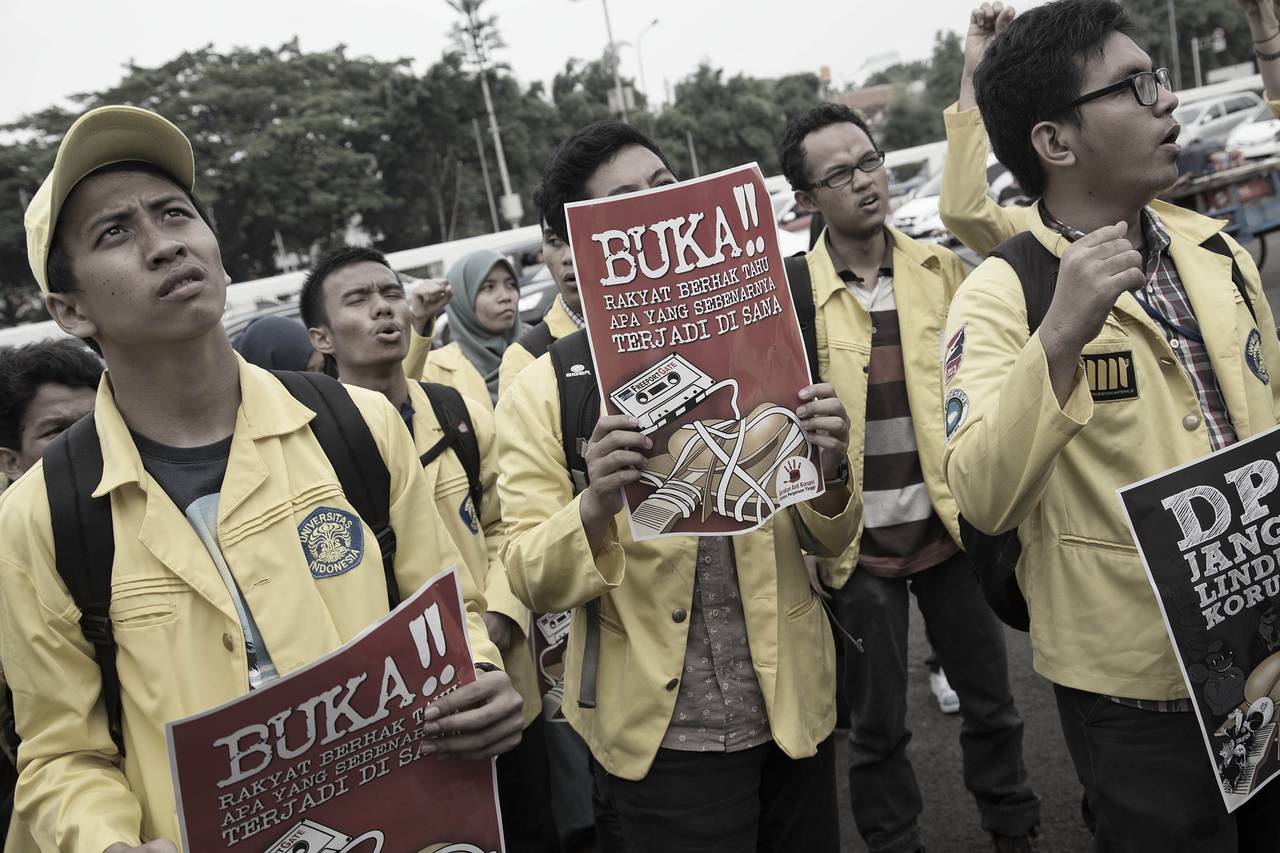
The trial of eight government employees from the Indonesian Ministry of Manpower (Kemenaker) begins today in the capital, Jakarta, on charges related to extortion and corruption. The defendants, who face allegations of collecting over 135 billion rupiah (approximately 9 million USD) from foreign work permit agents, are scheduled to appear in court at 10 AM local time.
The court session will be held in the courtroom of Judge Muhammad Hatta Ali, presided over by Judge Lucy Irmawati, along with several other judges. The accused include: Putri Setra Wahyuni, Jamal Choudhry, Alfa Ishad, Suhartono, Haryanto, Wisnu Pramono, Devi Angraini, and Gatot Widiarto.
Details of the Case
The details of the case date back to the period between 2017 and 2025, during which these employees allegedly extorted agents of companies seeking work permits for foreigners. They have been accused of demanding money and goods, including a Vespa motorcycle and an Innova Reborn vehicle, as a condition for processing applications.
The defendants faced accusations of pressuring employers and agents, threatening that their applications would not be processed unless their financial demands or gifts were met.
Background & Context
This case is part of a larger issue concerning corruption in Indonesia, where the country suffers from high levels of corruption across various government sectors. Reports have indicated that corruption in the management of work permits for foreigners poses a significant challenge, affecting the business and investment environment in the country.
The Indonesian government is striving to enhance transparency and combat corruption, having taken several steps in recent years to improve the work permit management system. However, this case indicates that much work remains to be done.
Impact & Consequences
If the defendants are convicted, it could bolster government efforts to combat corruption and significantly impact the reputation of the Ministry of Manpower. Additionally, this case may raise concerns among foreign investors, who might feel insecure in the business environment if such practices continue.
Furthermore, this trial could lead to changes in government policies regarding work permits, potentially affecting how the government handles work applications for foreigners in the future.
Regional Significance
Corruption issues in developing countries, including Indonesia, are of particular importance to Arab nations, as many face similar challenges in combating corruption. This case could serve as a lesson for Arab countries on the importance of enhancing transparency and accountability in the public sector.
Given the economic challenges faced by many Arab nations, combating corruption is a crucial step towards attracting investments and improving the business environment. Therefore, following this case may provide valuable lessons for Arab countries in their pursuit of reform.