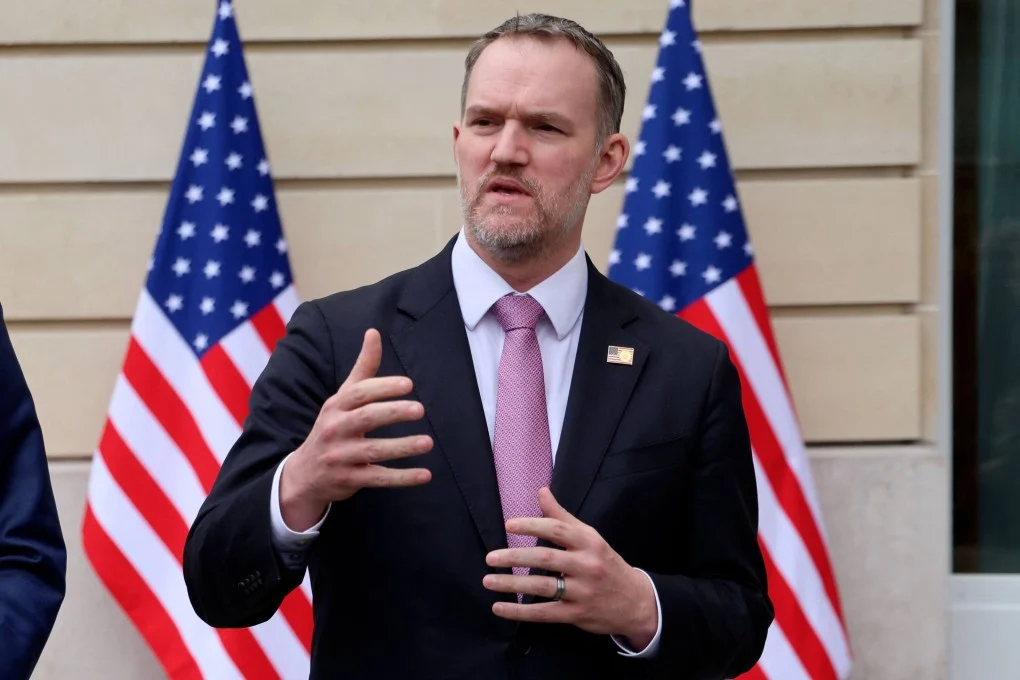
U.S. Trade Chief Jameson Greer stated that President Donald Trump's administration will not send its ministers to Beijing to prepare for the upcoming summit with Chinese President Xi Jinping, scheduled for mid-May. This decision comes at a sensitive time for trade relations between the two countries, as both sides seek to achieve tangible progress on outstanding issues.
In an interview with Bloomberg, Greer emphasized that he does not see the need for meetings with their Chinese counterparts before the summit. These remarks reflect a shift in the American approach, as previous ministerial visits were typically part of the summit preparations, raising questions about the current readiness.
Details of the Upcoming Summit
The anticipated summit between Trump and Xi comes amid increasing trade tensions between the United States and China. Relations between the two countries have experienced significant fluctuations in recent years, with the U.S. imposing tariffs on a range of Chinese goods, leading to reciprocal reactions from Beijing. While both sides are striving to improve relations, the absence of preparatory visits may indicate a lack of consensus on key issues.
Greer pointed out that the U.S. administration is focused on achieving concrete results during the summit, suggesting high expectations regarding what can be accomplished. However, the lack of prior preparations may raise concerns about the feasibility of achieving these goals.
Background & Context
Historically, summits between American and Chinese leaders have required meticulous preparations, including meetings between ministers and negotiators. These meetings aimed to outline the key points to be discussed and facilitate reaching agreements. However, the current tensions between the two countries may lead to a change in this dynamic.
U.S.-China relations have been significantly affected by issues such as trade, human rights, and geopolitical tensions in the Pacific region. These issues complicate the ability of both sides to reach lasting agreements, further complicating the preparations for the summit.
Impact & Consequences
The absence of preparatory visits could exacerbate tensions between the United States and China, as it may be perceived as a signal of unwillingness to engage in dialogue or negotiation. If no agreements are reached during the summit, it could lead to an escalation of trade disputes, impacting the global economy.
Moreover, these developments may influence financial markets, as investors closely monitor any signs of improvement or deterioration in relations between the world's two largest economies. Should tensions persist, we may witness volatility in the markets due to uncertainty.
Regional Significance
U.S.-China relations directly impact the Arab region, as China is a significant trading partner for many Arab countries. Any escalation in tensions between the United States and China could affect Chinese investments in the region, along with its impact on oil prices and global markets.
Furthermore, Arab countries seeking to strengthen their ties with China may find themselves in a difficult position if tensions continue, necessitating a reassessment of their economic strategies.
In conclusion, the decision not to send Trump’s ministers to China before the summit signifies the challenges facing relations between the two countries. As markets await the outcomes of the summit, any negative developments could affect economic stability in the region and the world.