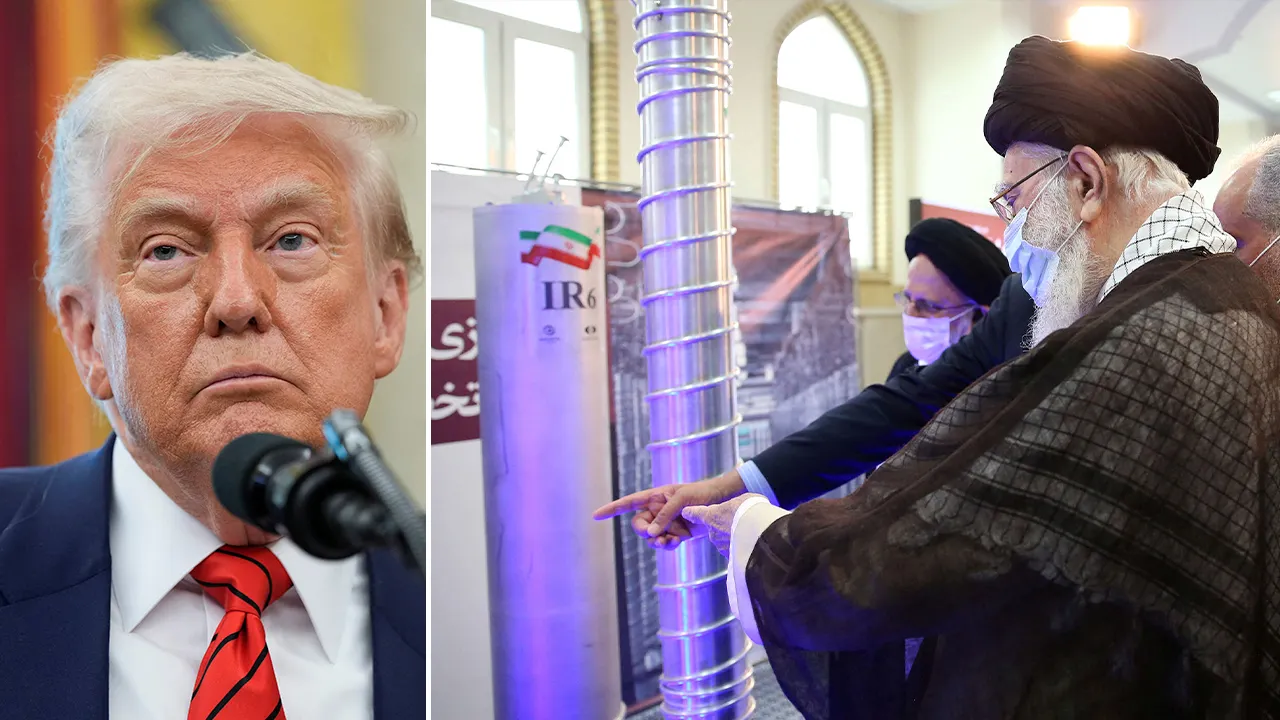
Retired General Mark Kimmitt, who served as the Assistant Secretary of State for Political-Military Affairs, confirmed that the Trump administration is not planning any military intervention in Iran at this time. This was stated during his appearance on a special program on Bloomberg, where he addressed the current conditions in the region, emphasizing that the situation in Iran requires more diplomacy rather than military escalation.
Kimmitt's remarks come at a sensitive time when U.S.-Iranian relations are experiencing increasing tensions, especially following a series of events in the region, including attacks on Saudi oil facilities and tensions in the Strait of Hormuz. Despite the pressures facing the Trump administration, Kimmitt pointed out that military options are not on the table currently.
Details of the Statement
During the interview, Kimmitt discussed several aspects related to U.S. policy towards Iran, clarifying that the current administration prefers to utilize economic and diplomatic pressure tools instead of resorting to military force. He stressed the urgent need for communication with European and Arab allies to ensure regional stability.
He also noted that any military intervention could lead to severe consequences, not only at the regional level but also internationally. Kimmitt emphasized that the United States needs a comprehensive strategy that includes all relevant parties, including Russia and China.
Background & Context
Historically, U.S.-Iranian relations have undergone significant fluctuations, with tensions beginning since the Iranian Revolution in 1979. Since then, the United States has pursued a policy of economic sanctions against Iran, exacerbating the situation. In recent years, these tensions have notably increased following the U.S. withdrawal from the Iran nuclear deal in 2018.
This withdrawal led to an escalation of tensions, as Iran gradually resumed its nuclear program, raising concerns within the international community. In this context, the current U.S. statements confirming the absence of immediate military intervention plans highlight the potential for new diplomatic options.
Impact & Consequences
Kimmitt's statements indicate a shift in the U.S. administration's approach towards reducing military escalation in the region, which could positively affect relations with allies in the Middle East. This approach may also contribute to alleviating tensions between Iran and Gulf countries, opening the door for potential dialogue.
However, the question remains regarding the effectiveness of this strategy in achieving U.S. objectives in the region, especially amid ongoing Iranian threats. The lack of military intervention may also suggest that the United States is reevaluating its strategy in the Middle East, which could impact the balance of power in the region.
Regional Significance
The situation in Iran directly affects Arab countries, particularly those that share borders with Iran or face threats from it. The absence of U.S. military intervention may provide Arab nations with an opportunity to strengthen their defensive capabilities and collaborate with other regional powers.
Moreover, this situation could foster dialogue between Arab countries and Iran, potentially leading to greater stability in the region. Nevertheless, the greatest challenge remains how to address Iranian activities in the region, which continue to pose a threat to regional security.