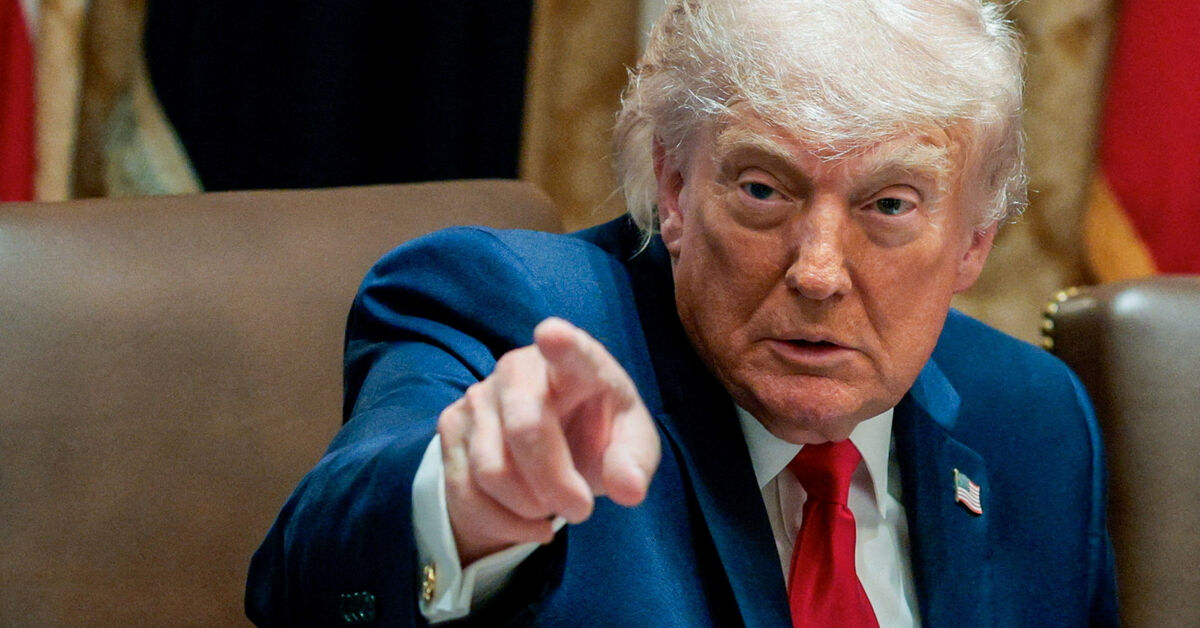
In a controversial statement, U.S. President Donald Trump announced on Wednesday that Iran has agreed not to develop nuclear weapons. Trump emphasized that the Iranian Ayatollah is involved in negotiations with the United States, opening the door to questions about the future of relations between the two countries.
During the interview, Trump stated, "They have already agreed that they will not possess a nuclear weapon." This declaration comes at a sensitive time as tensions between Iran and the United States escalate, especially following Washington's withdrawal from the nuclear agreement in 2018.
Details of the Announcement
Trump's remarks follow a series of talks held between the two parties, each seeking an agreement that ensures the non-proliferation of nuclear weapons in the region. These negotiations could be a step towards alleviating the tensions that have characterized Washington and Tehran's relationship over recent years.
This announcement represents a shift in U.S. policy towards Iran, as the United States has taken a hardline stance against the Iranian nuclear program in recent years. However, Trump's statements may raise questions about the credibility of these agreements and Iran's commitment to them.
Background & Context
Historically, relations between Iran and the United States have been strained, particularly following the Iranian Revolution in 1979. Since then, the U.S. has imposed strict economic sanctions on Iran, exacerbating the country's economic and political conditions. In 2015, a nuclear agreement was reached that limited Iran's nuclear program in exchange for sanctions relief, but the U.S. withdrawal from the agreement in 2018 brought matters back to square one.
Following Washington's withdrawal, Iran resumed some of its nuclear activities, raising concerns within the international community. Nevertheless, Trump's recent statements may indicate a desire to reopen channels of dialogue, which could significantly impact regional stability.
Impact & Consequences
If Trump's statements prove accurate, this could lead to radical changes in regional policy. A potential agreement between Iran and the United States could ease tensions in the Middle East, contributing to stability in countries such as Iraq, Syria, and Yemen.
Moreover, this agreement could pave the way for other countries in the region to negotiate their nuclear programs, potentially leading to a shift in political dynamics in the Middle East.
Regional Significance
For Arab countries, this agreement may have multiple implications. Gulf states, which are concerned about the Iranian nuclear program, may view this agreement as an opportunity to enhance regional security. However, concerns about Iran's commitment to the agreements may persist, leading to ongoing tensions.
Ultimately, the most pressing question remains: Will Iran adhere to what has been agreed upon? What steps will the United States take next to ensure the implementation of this agreement? These questions will remain at the center of political discussions in the coming period.