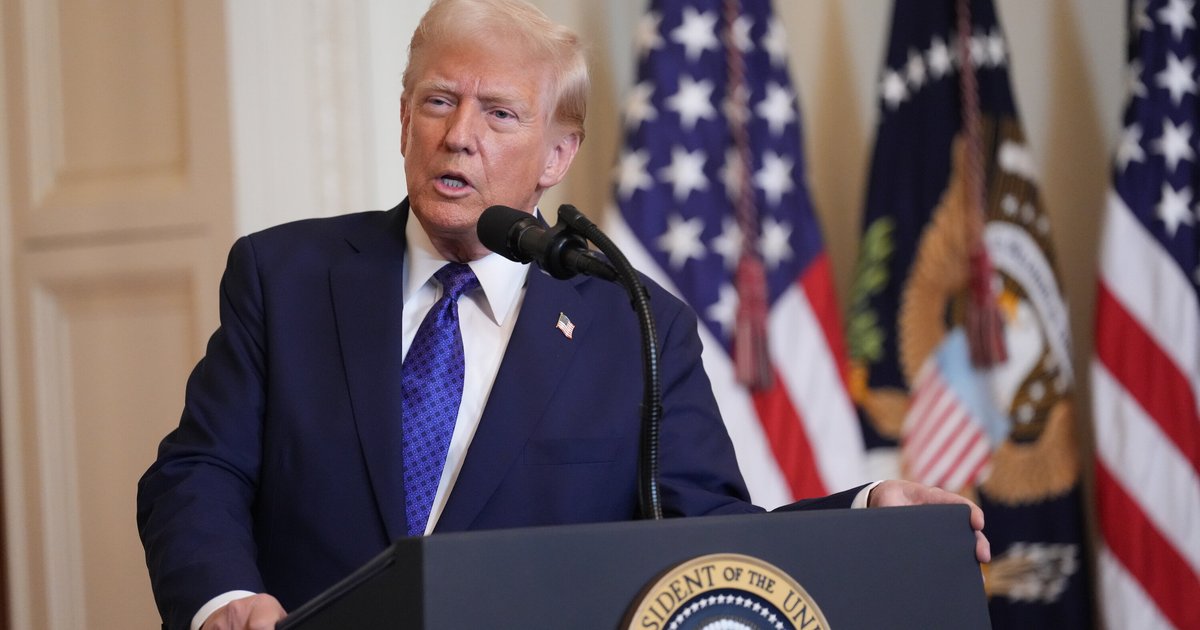
In a new move aimed at addressing the tense situation in the Arabian Gulf, U.S. President Donald Trump announced a plan to free neutral shipments that have been stalled in regional waters since the beginning of the dispute with Iran. This announcement comes at a time when financial markets have shown mixed performance in U.S. stock futures, with oil prices dropping significantly.
Trump's statements indicate that the United States will work to ensure freedom of navigation in the Strait of Hormuz, one of the world's most important maritime passages. This comes amid escalating tensions between the United States and Iran, where commercial vessels are under significant pressure due to increasing threats.
Details of the Announcement
Trump's plan includes securing shipping routes in the Gulf, reflecting the U.S. administration's commitment to protecting commercial interests in the region. Trump noted that this step aims to support the global economy and ensure a continuous flow of oil. This announcement coincided with a notable decline in oil prices, raising concerns among global investors.
The Arabian Gulf is a vital center for oil trade, with a significant percentage of global oil supplies passing through it. Therefore, any threat to navigation in this area can significantly impact prices and financial markets.
Background & Context
Since the beginning of the dispute between the United States and Iran, the region has experienced increasing tensions. Last year, Iran conducted several operations targeting commercial vessels, leading to heightened fears of oil supply disruptions. This situation prompted the United States to bolster its military presence in the region, further escalating tensions.
Historically, the Strait of Hormuz is a strategic point, through which approximately 20% of global oil supplies pass. Thus, any threat to navigation in this strait can lead to a significant rise in oil prices, affecting the global economy as a whole.
Impact & Consequences
Financial markets expect Trump's plan to stabilize oil prices in the short term, but there are concerns that military escalation could lead to adverse outcomes. If tensions persist, we may witness a rise in oil prices due to increased risks associated with navigation in the Gulf.
This move may also affect U.S.-Iran relations, as Iran may view this announcement as a provocation. Consequently, we may see reactions from Tehran, complicating the situation in the region further.
Regional Significance
For Arab countries, any escalation in the region could directly impact their economies, especially those heavily reliant on oil exports. Moreover, stabilizing oil prices is crucial for supporting economic growth in many Arab nations.
Furthermore, securing navigation in the Gulf is important for Arab countries seeking to enhance their trade and investment relations with the world. Therefore, any developments in this context should be closely monitored.